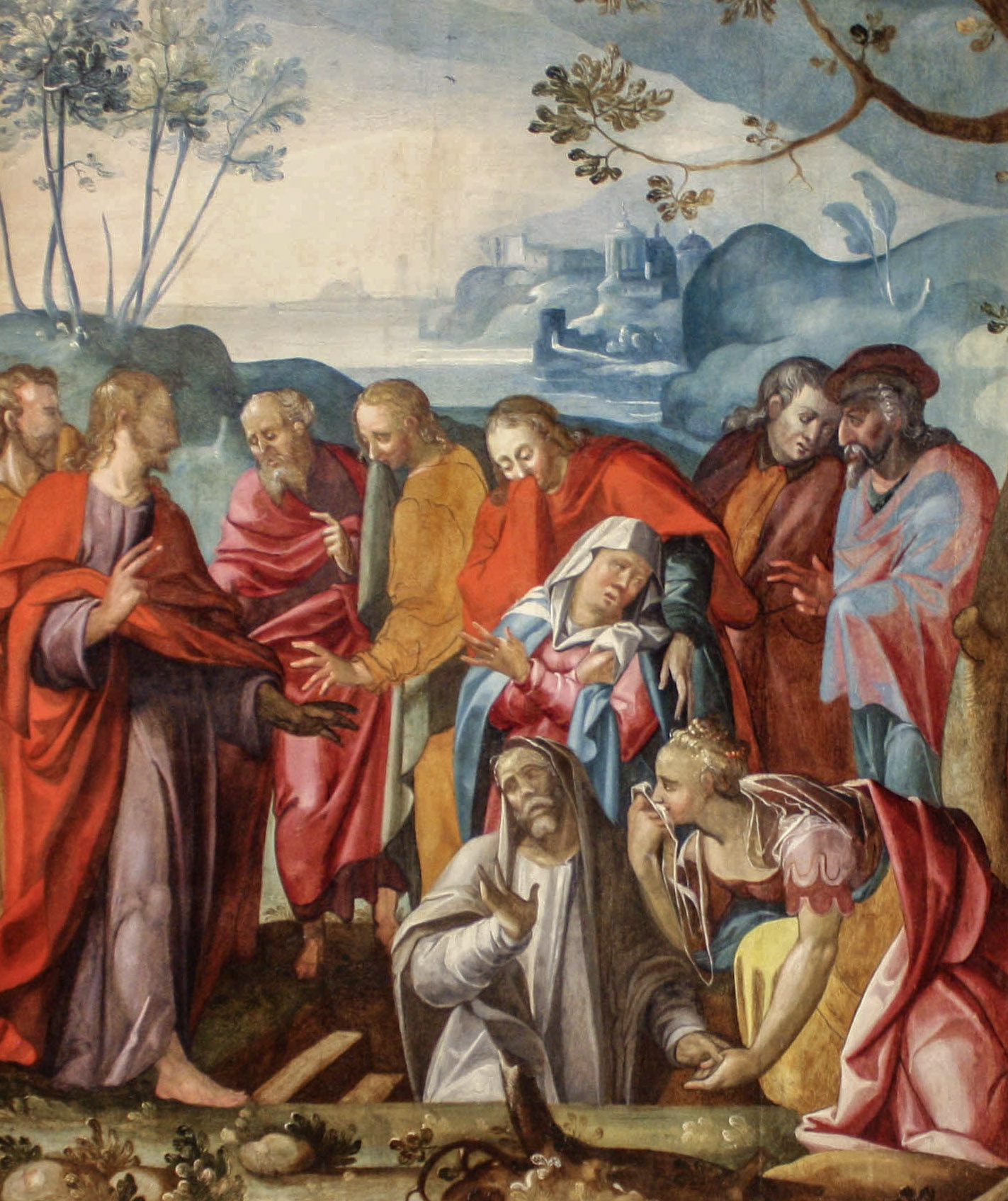
Zombies and Jesus. Hardly anything in common there, except for one thing: Both rose from the dead. Add to the pair another person, the Biblical figure of Lazarus of Bethany, whom Jesus resurrected after his death four days prior. That occurrence described in the Gospel of John was Jesus’ last performed miracle before His own resurrection. It also provides the content for some striking, and often realistic, art. Read about the top five depictions of Lazarus >
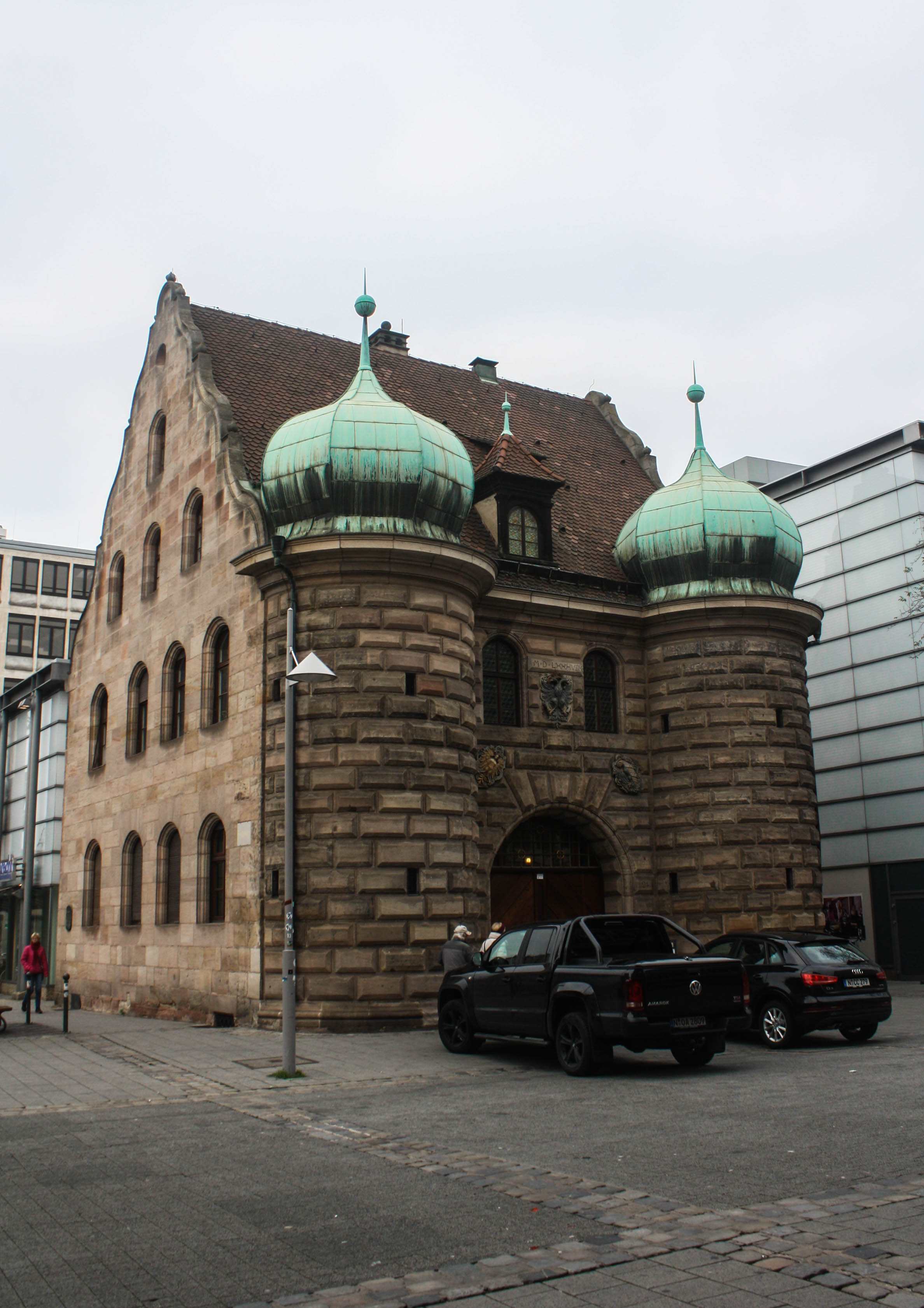
Whenever I come across a massive, impregnable-looking building that often occupies an entire city block, I’m glad that, by and large, it is no longer serving its original purpose. Huge armories still dot the urban landscape, constructed for storing, manufacturing, and repairing weapons and equipment, and sometimes serving as the headquarters and training facility for military units. Their abundance in the United States reminds me that, not so long ago, we were involved in some serious wars and were in danger of being attacked during, for instance, the Civil War and both World Wars. Today, many of them operate as something much more peaceful—an art gallery, perhaps, or an athletic center. Yet the integrity of their architecture remains, and that makes them fascinating sights to see. Read about the top five armories >
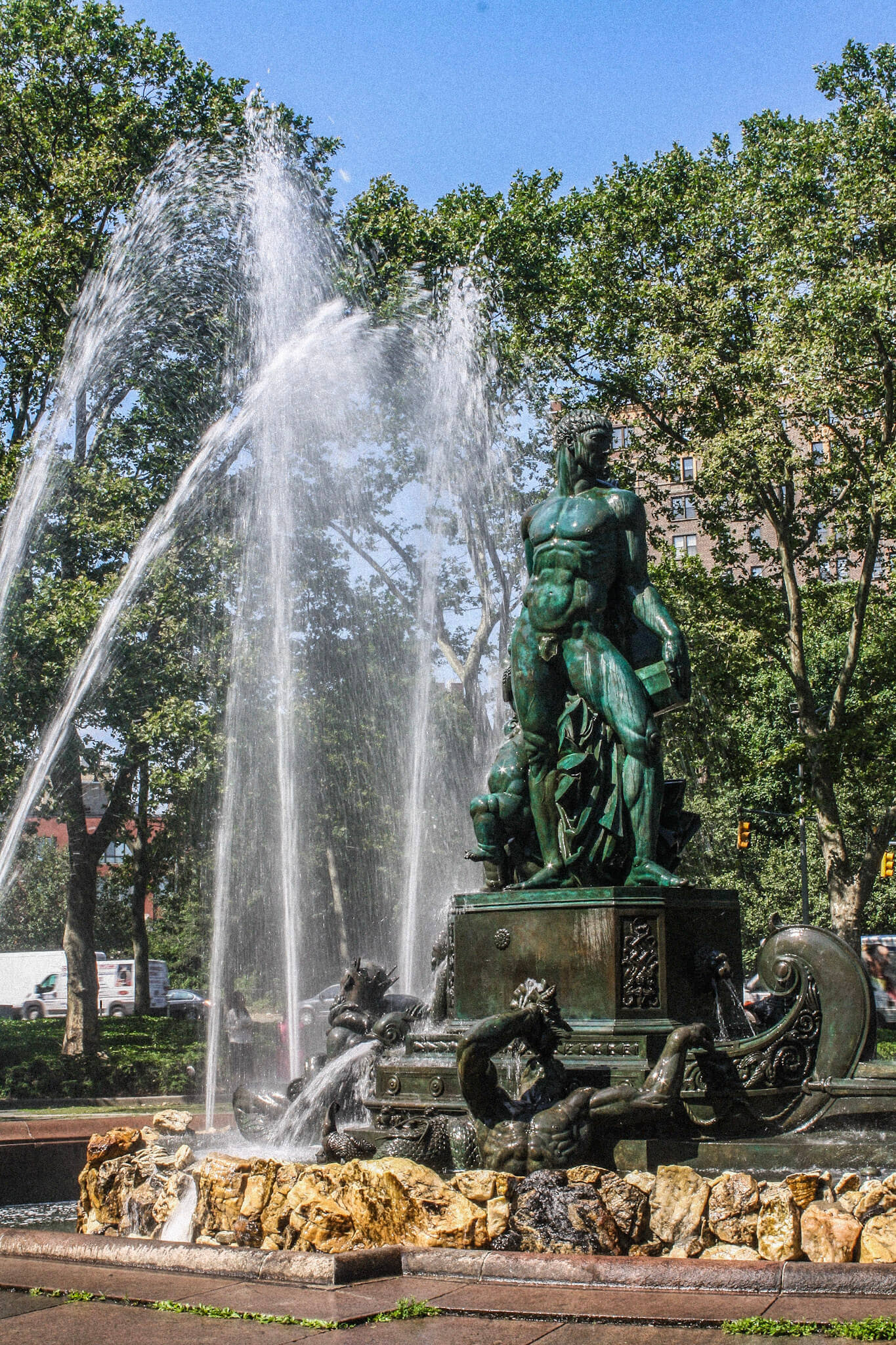
As summer temperatures soar, a fountain—whether it’s trickling or gushing—can help you beat the heat, especially in urban environments, where concrete and tar make increasingly angry thermometers seem even more oppressive. The care, attention, and craftmanship of many fountains add to the relief these enchanting oases provide, and give you something very pretty to look at and contemplate while misty sprays cool you down a bit. Read about the top five fountains >
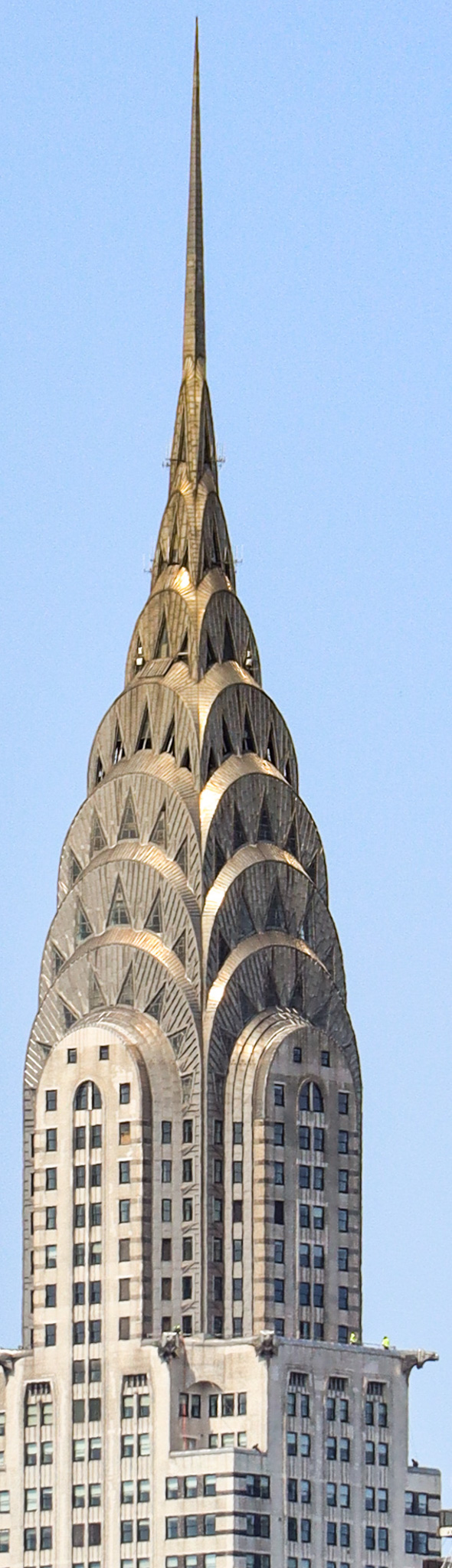
Lasting only from around the 1910s through the 1930s, the Art Deco style ignited the world with strong lines, bold colors, and an unmistakable flair. From little diners to towering skyscrapers, Art Deco changed the built environment (as well as everything from jewelry to radios) for the better. This unmistakable short-lived style was interrupted by the Great Depression and mostly truncated by the outbreak of World War II, but it left behind a legacy of gorgeous buildings, the likes of which we will never see again. Read about the top five Art Deco buildings >
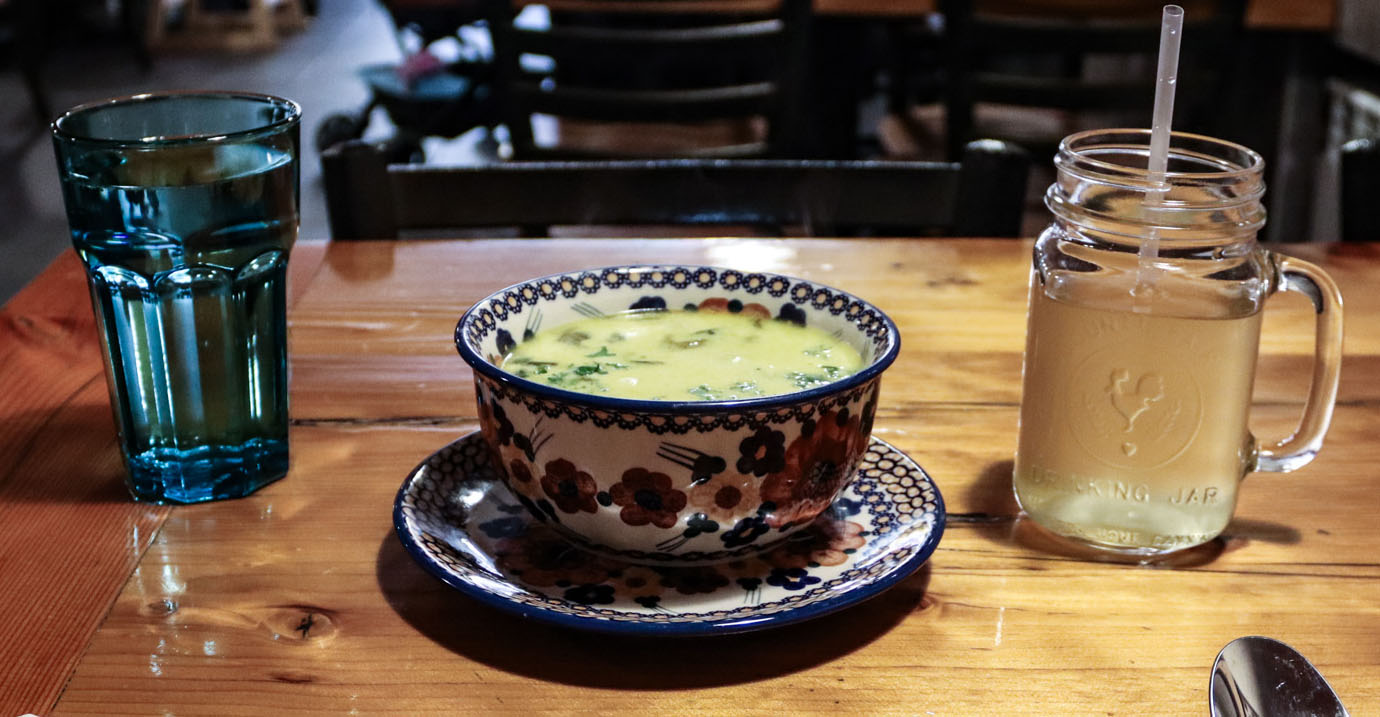
The northernmost neighborhood in my home borough of Brooklyn, New York, Greenpoint boasts fantastic views of the Manhattan skyline, a number of architectural landmarks, and a history of producing a long line of entertainers, such as Pat Benatar, Mickey Rooney, Mae West, and Awkwafina. It’s also home to the second-largest concentration of Polish-Americans in the United States—and that means lots of excellent Polish food, including at Relax Restaurant. Read about it >
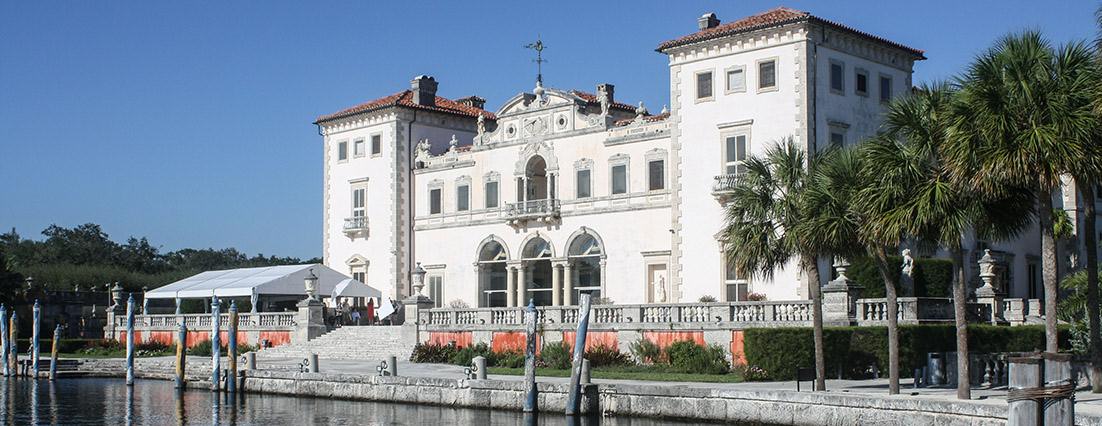
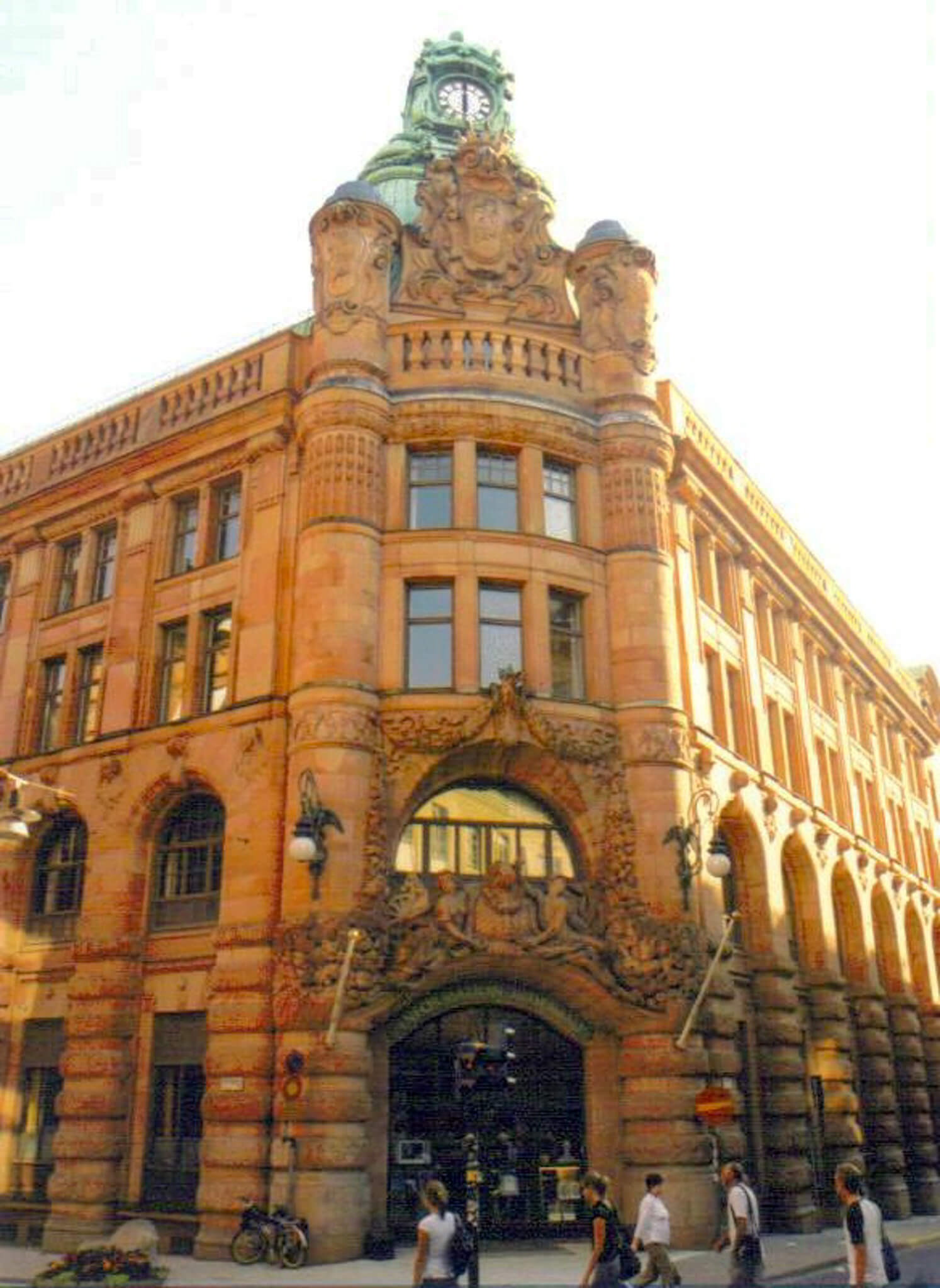
On a daily basis, there’s little need to go into a bank anymore. You can do practically everything online, and, when you need cash, you just stop at an ATM. There’s even less of a need when you’re on vacation. However, some of the most beautiful buildings I’ve been to are banks, and they deserve some special attention. If you want to be impressed by architectural beauty, visiting them is simply money in the bank. Read about the top five bank buildings >
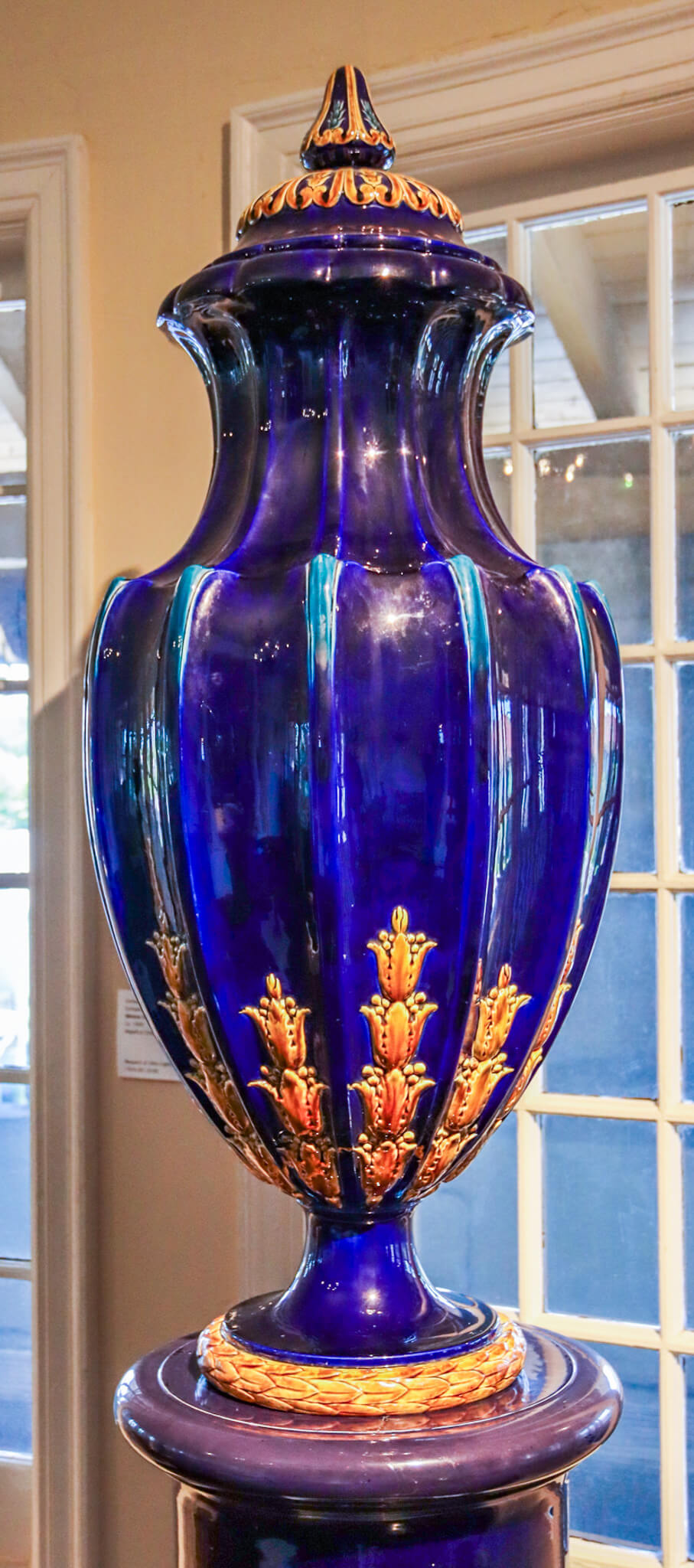
Suffering from the winter blues? Then turn your attention from the figurative blues to the literal ones and you’ll be much happier. Around the world, the coolest color has the ability to awe us. It’s also the color that can best calm us down. Just look at the sky or a tranquil sea and you’re already feeling better. But nature doesn’t hold a monopoly on blue. There are some outstanding manmade objects that equally do the trick. Read about the top five blues >
Baptism is the first step to becoming a Christian. In fact, it grants admission into the Church. It’s usually accompanied during a religious service with a sprinkling of water on the forehead, but sometimes it involves a full-body immersion. Whichever method is used, churches around the world accommodate it with a variety of baptismal fonts, from the modest to the mammoth, and I’ve found many of them to be striking works of art. Read about the top five baptismal fonts >
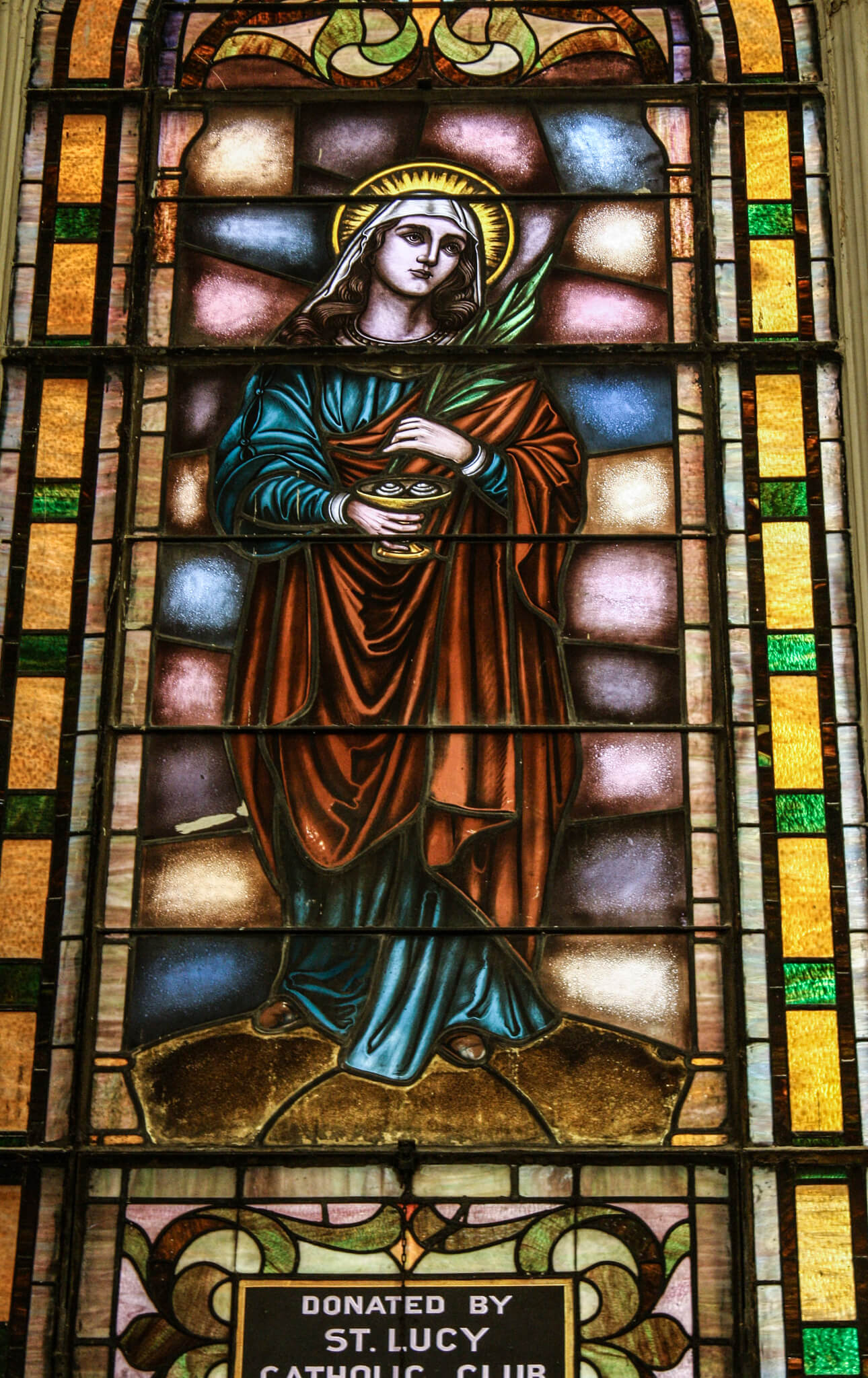
On the Feast of St. Lucy, celebrated on December 13, followers of the Catholic, Anglican, Lutheran, and Eastern Orthodox faiths venerate the Christian martyr who died a virgin at age 21 in 304. Patron saint of the blind and visually impaired, Lucy’s fame spread around the world, from celebratory processionals in Scandinavia to Dante’s Divine Comedy to the naming of St. Lucia in the Caribbean. I had the good fortune to view the saint’s body, enshrined in a glass-front coffin, in the Church of Sts. Jeremiah and Lucy in Venice, Italy, in 2008, but before and after that, I’ve always been intrigued by how she’s treated in art. Read about the top five artistic depictions of St. Lucy >
George Browne Post should be a household name, but for most people, he is not. And that’s a shame. Post (1837–1913) was one of the United States’ most prolific, most creative, and most respected architects. We can curse the evil wrecking ball for shunting Post to the forgotten architects bin. If you were to scan a list of all his brilliant works, far too many would bear an asterisk with the note “demolished”: the Erie County Savings Bank in Buffalo, New York; the Cotton Exchange, Western Union Building, World Building, and Collis P. Huntington Mansion in New York City; the old Borough Hall in the Bronx, New York; the Bonner-Marquand Gymnasium at Princeton University; the Prudential Building in Newark, New Jersey; the Bank of Pittsburgh—all gone. Those that remain, however, are reminders of Post’s enviable talents that attracted such clients as Cornelius Vanderbilt, Joseph Pulitzer, and The New York Times. Read about the top five works by George Browne Post that still remain >