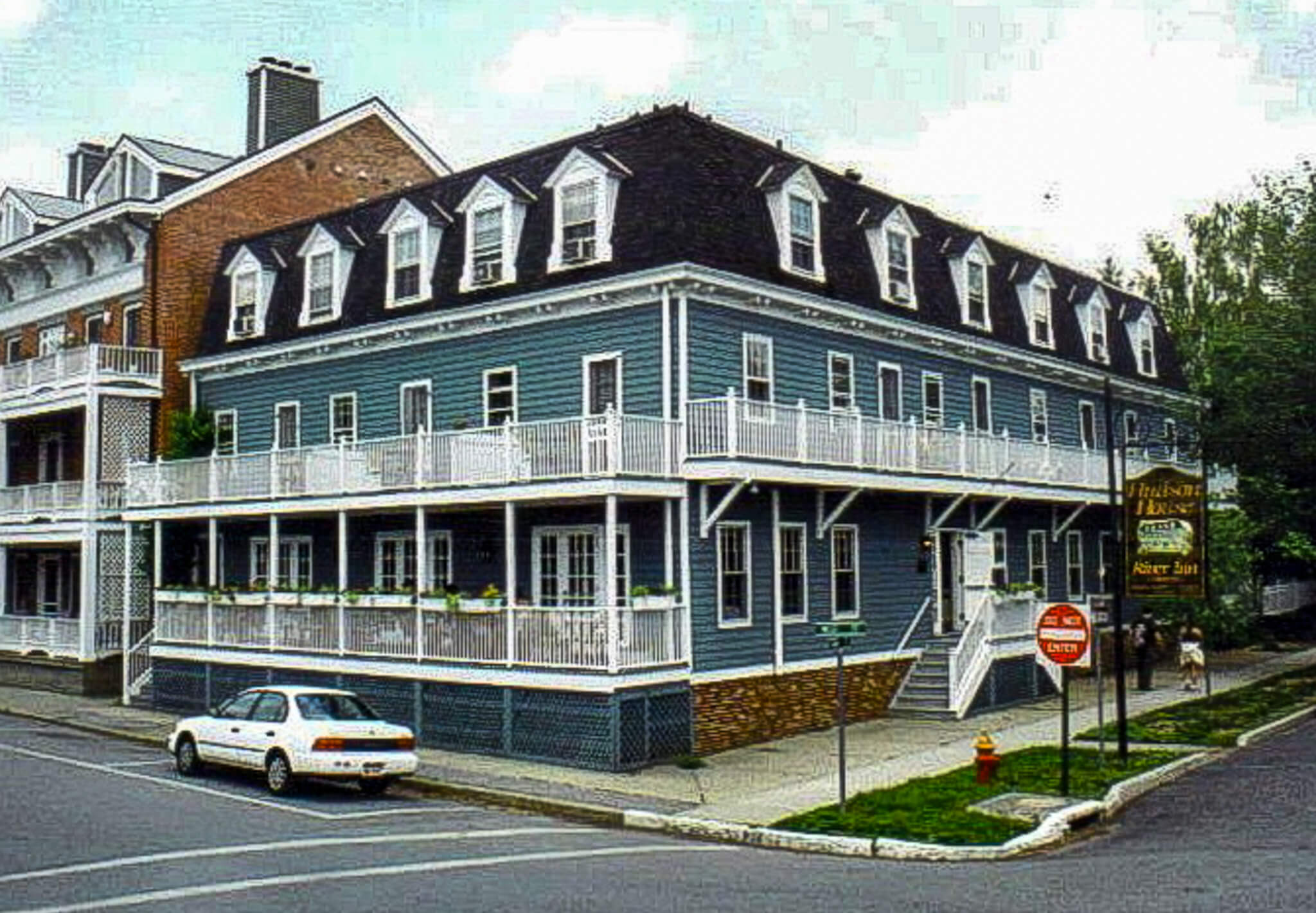
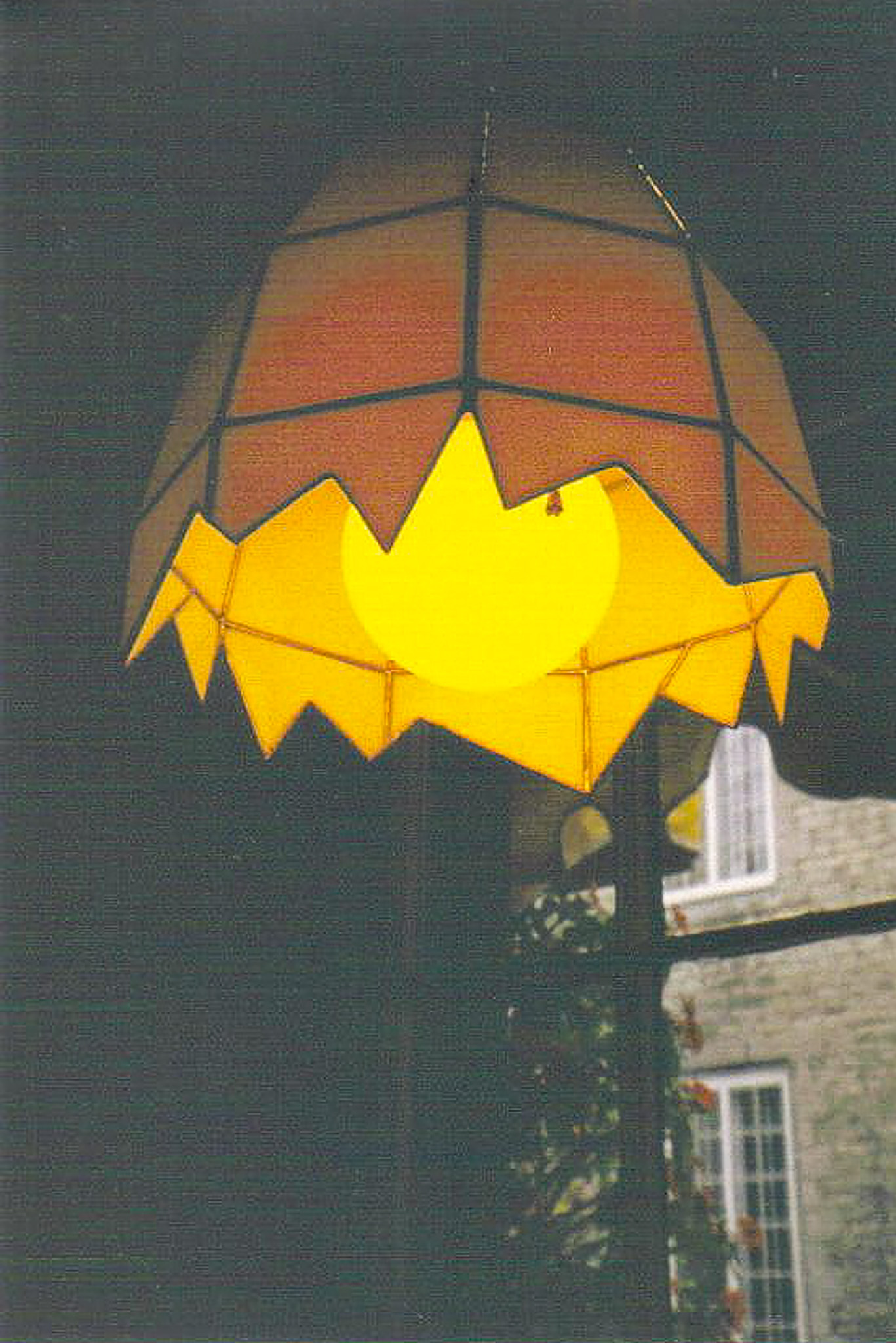
Rise and shine, it’s breakfast time! The most important meal of the day is often rushed, and that’s not a reflection of the speed indicated in its name. “Breakfast” originates from the concept of breaking your fast while you slept. Too often, a bowl of cereal, a granola bar, or a piece of fruit on the run constitutes your first meal of the day. But when you have time, it could also be rewarding and relaxing, setting you up for a very pleasant day, especially when you’re on vacation. Whether it’s an inspired creation at your B&B or something outstanding at a local eatery (where, perhaps, the globe of a light fixture will be in the form of a broken eggshell, the bulb a golden yolk-like orb), breakfast can put you in the right mood for the rest of the morning. Read about the top five breakfasts >
Tag Archives: Wisconsin
Wisconsin’s Winning Architecture
If you’re in Wisconsin during the winter, you may find it a bit chilly, and rightly so. That, however, provides a wonderful opportunity to step instead some of the state’s most beautiful buildings to warm up for a while and to admire craftsmanship you’re unlikely to ever see again. Wisconsin’s architectural marvels span a wide range of styles, from evocative Victorian homes to impressive college campus buildings to nearly a dozen of Frank Lloyd Wright’s innovations. Read about the top five buildings in Wisconsin >
Marvelous Madison
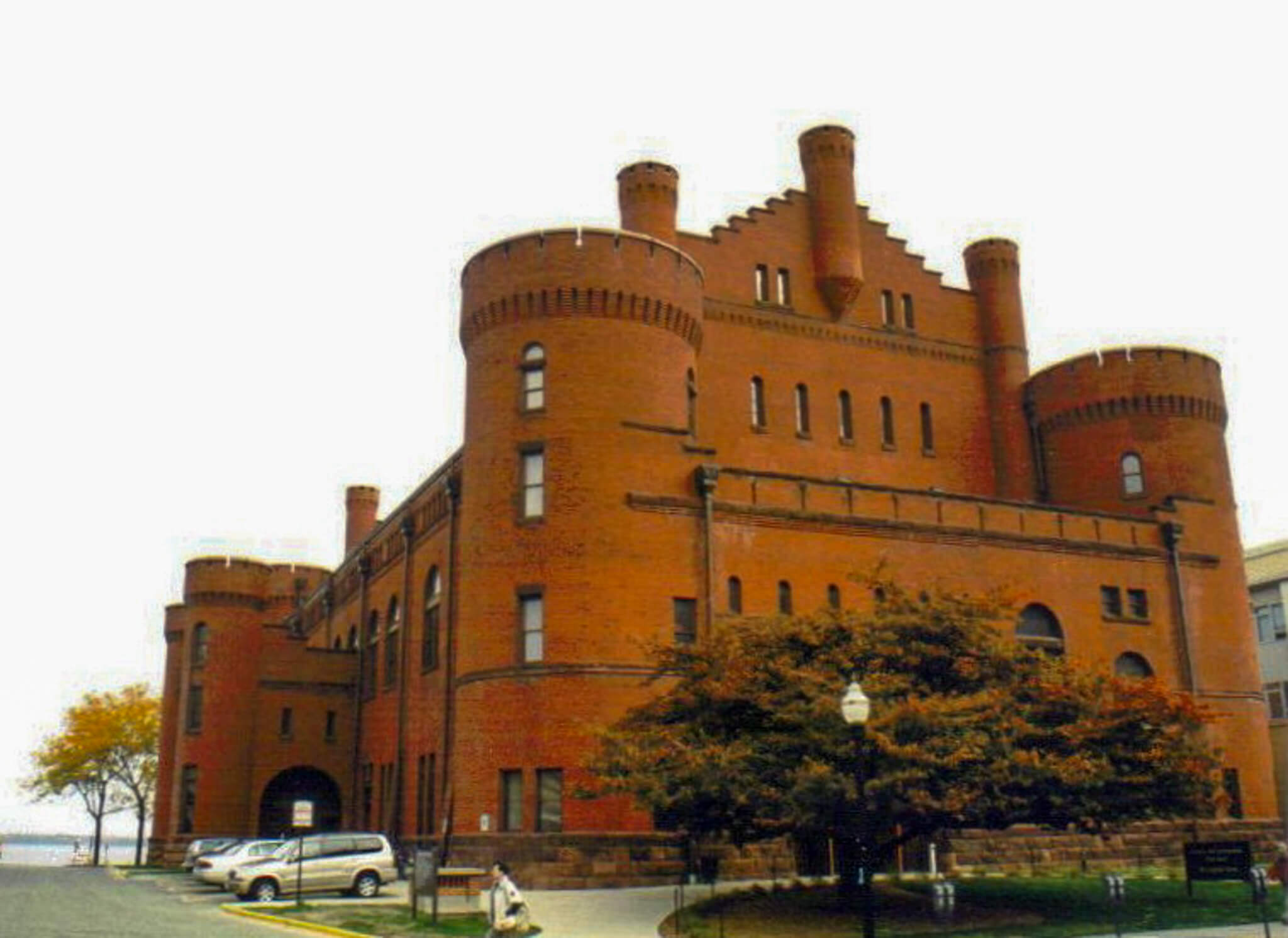
Often ranked as one of the most livable cities in the United States, Madison, Wisconsin, gets it very right, which catapults onto a short list of places I’d like to live: a gorgeous setting between two lakes, a lively vibe generated from a massive university and as the state capital, plenty of cultural venues, and a smart restriction on the height of its skyline, limited to no more than 1,032’ for all structures within a mile of the state capitol in order to preserve the view of that building from most parts of the city. That means it’s a low-rise city, and it’s filled with terrific edifices of both historic importance and aesthetic glory. Read about the top five buildings in Madison, Wisconsin >
Bring On Brunch!
Who doesn’t love the occasional weekend brunch? Certainly not anyone in Brooklyn Heights, New York, where I live, and where that special weekend meal brings in the crowds to any place that serves brunch, resulting in lines that spill out onto the sidewalk. No matter; I’ve enjoyed lingering over this smash-up meal in many places outside of my neighborhood, in far more appealing surroundings than, say, Atlantic Avenue. Read about the top five brunches >
Music in the Sky: The World’s Best Bell Towers
I’ve had the opportunity to ring the bells at the Church of St. Anne Shandon in Cork, Ireland, and at the Church of the Assumption on an island in Lake Bled, Slovenia. But, for the most part, my experiences with bell towers have been restricted to admiring their vertical beauty and listening to their heavenly music, and that’s rewarding enough. No matter their purpose, from cheerful chimes on college campuses to somber tolling marking a funeral, bell towers make for striking exclamation points in a cityscape. Read about the top five bell towers >
Post’s Present
George Browne Post should be a household name, but for most people, he is not. And that’s a shame. Post (1837–1913) was one of the United States’ most prolific, most creative, and most respected architects. We can curse the evil wrecking ball for shunting Post to the forgotten architects bin. If you were to scan a list of all his brilliant works, far too many would bear an asterisk with the note “demolished”: the Erie County Savings Bank in Buffalo, New York; the Cotton Exchange, Western Union Building, World Building, and Collis P. Huntington Mansion in New York City; the old Borough Hall in the Bronx, New York; the Bonner-Marquand Gymnasium at Princeton University; the Prudential Building in Newark, New Jersey; the Bank of Pittsburgh—all gone. Those that remain, however, are reminders of Post’s enviable talents that attracted such clients as Cornelius Vanderbilt, Joseph Pulitzer, and The New York Times. Read about the top five works by George Browne Post that still remain >
Milwaukee’s Gilded Age Glory
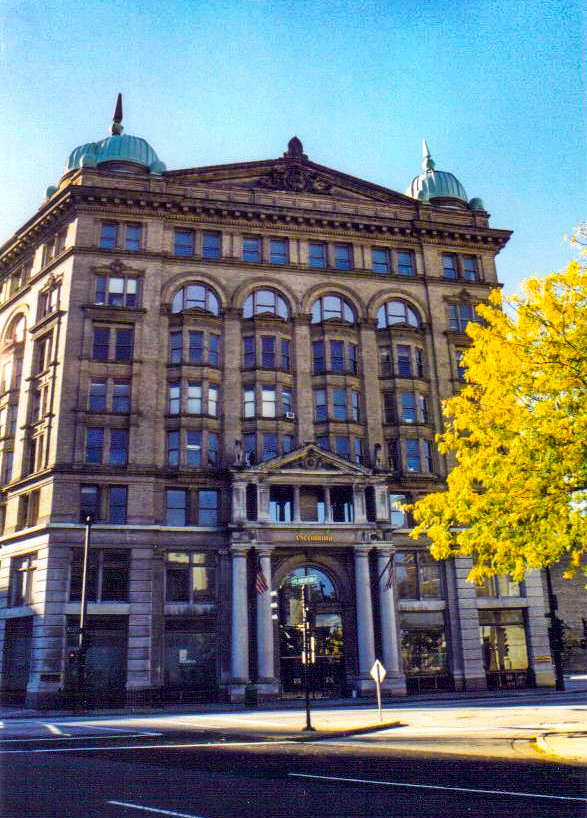
Staying at a hotel in downtown Milwaukee that used to be a Gimbels department store gave me easy access to many of the city’s best attractions, including the remnants of its Gilded Age. Industrious immigrants, including a tidal wave of Germans and other Eastern Europeans, boosted the city’s population so that, by 1900, it was the 14th largest city in the United States. The work of these determined newcomers coincided with America’s explosion of industrial achievements and economic expansion, and they left behind a legacy of fantastic structures in their “German Athens.” Read about the top five buildings in Milwaukee >
Go Farther in the Dells
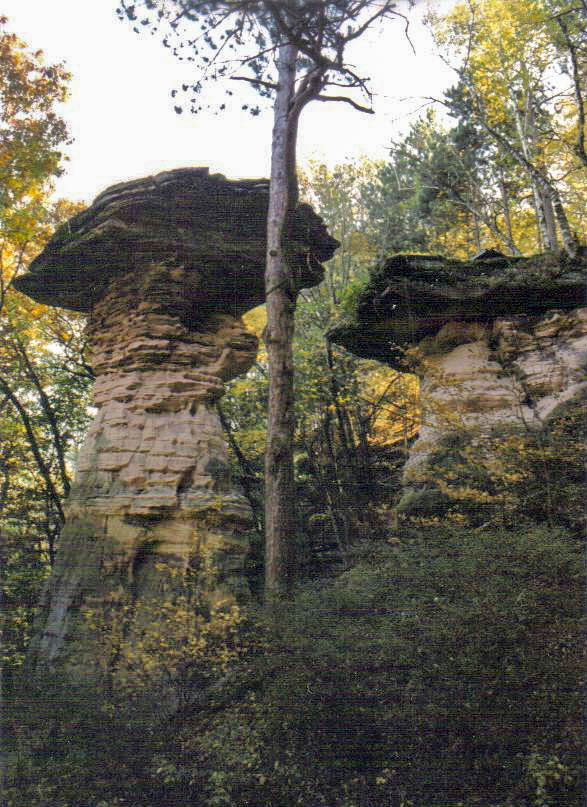
If you can get past the garish attractions and crass commercialism littering the small city of Wisconsin Dells, Wisconsin — the mini golf courses, the cheap motels, the haunted houses, the axe throwing, the world’s highest concentration of water parks — you’ll receive a handsome reward. Declared a State Natural Area in 1994, the Dells of the Wisconsin River is one of the most scenic and unspoiled spots in the entire state, and, ironically, the place that begat all that tourist tat to begin with. Read more >
A Good Laugh Is a Mighty Good Thing
Herman Melville said it best in Moby-Dick: “A good laugh is a mighty good thing, and rather too scarce a good thing.” Published in 1851, Melville’s statement could not be more pertinent today. Let’s face it: In light of a disturbing pandemic, food and hand sanitizer shortages, insufficient health care procedures, quarantines, and a constant barrage of bad news and “Breaking News” from CNN that instantly makes you think, “What fresh hell is this?!”, we need a good laugh to relieve the tension, if only for a moment or two. Without further ado, from my travels around the world, here are the top five sights that will make you laugh >
50 Candidates, 5 Winners: The Most Beautiful State Capitols in the United States
As Washington, D.C., continues to fail to deliver meaningful, beneficial change to the vast majority of Americans, state governments step up to fill in this appalling lack of action. From minimum wage increases to environmental legislation, governors and state senators and representatives enact changes on a local level. And many of them around the country get to do that in what is very often the most beautiful building in the capital city of their respective state. From domed cruciforms to tower skyscrapers, from a circular structure to a building that looks like a French palace, U.S. state capitols are brimming with history and run a gamut of architectural styles (some more successfully than others). Read about the top five capitols in the United States >