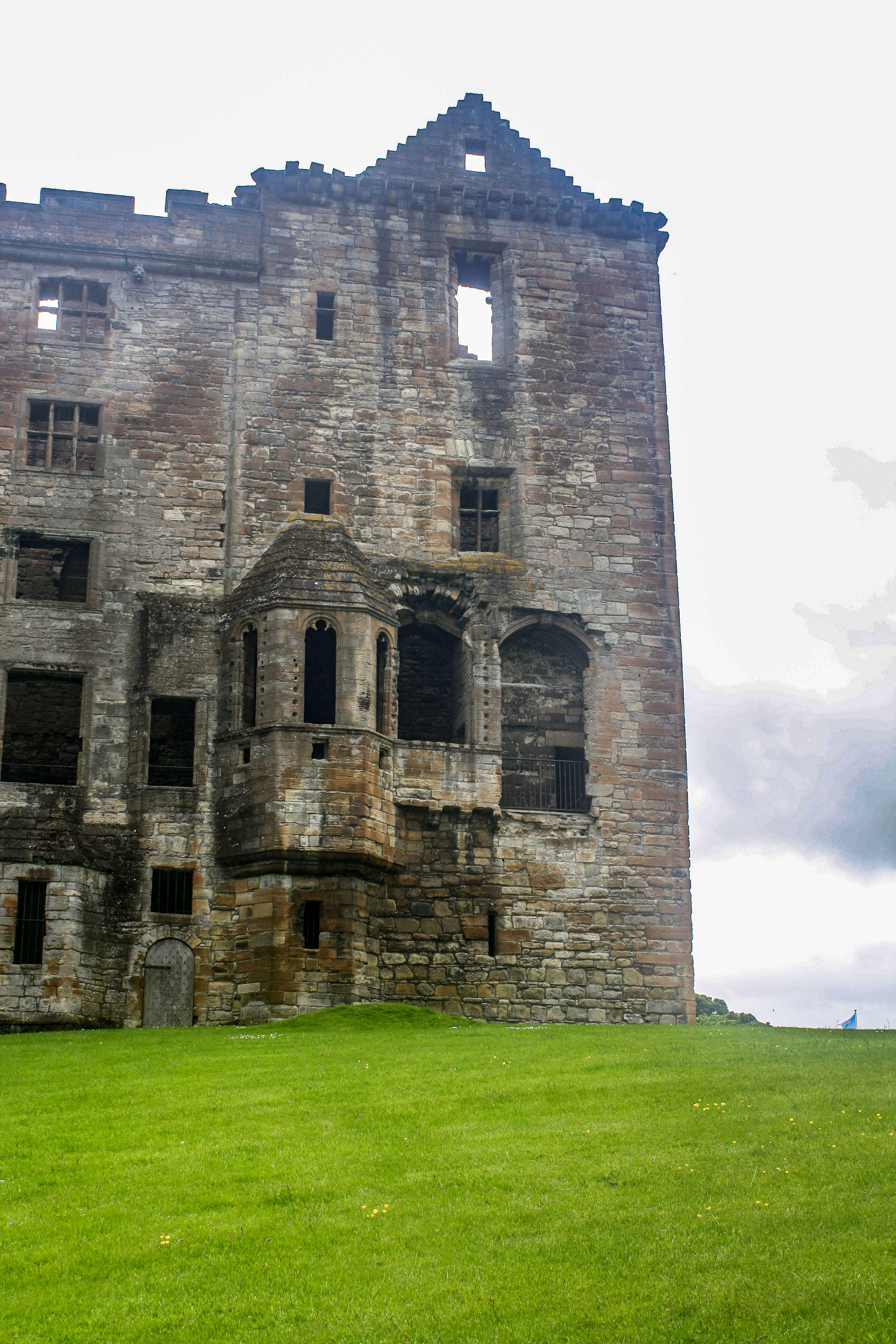
Ruins have always fascinated me. What was this place, or building, or bridge, or sometimes an entire city? What was it like when it was still functional and vibrant? What happened there? Who lived there? What was its function? What triggered its demise? Littered all around the world, ruins are quite enthralling, no matter how big or small, from the bell tower of St. Magdalene Mary in Budapest, for example, to the eerily silent columns at Windsor Plantation in Port Gibson, Mississippi. When I visit them, I’m always in awe of their stories and their ability to hang on in the face of natural and manmade forces that continually eat away at them. Read about the top five ruins >
Tag Archives: Linlithgow
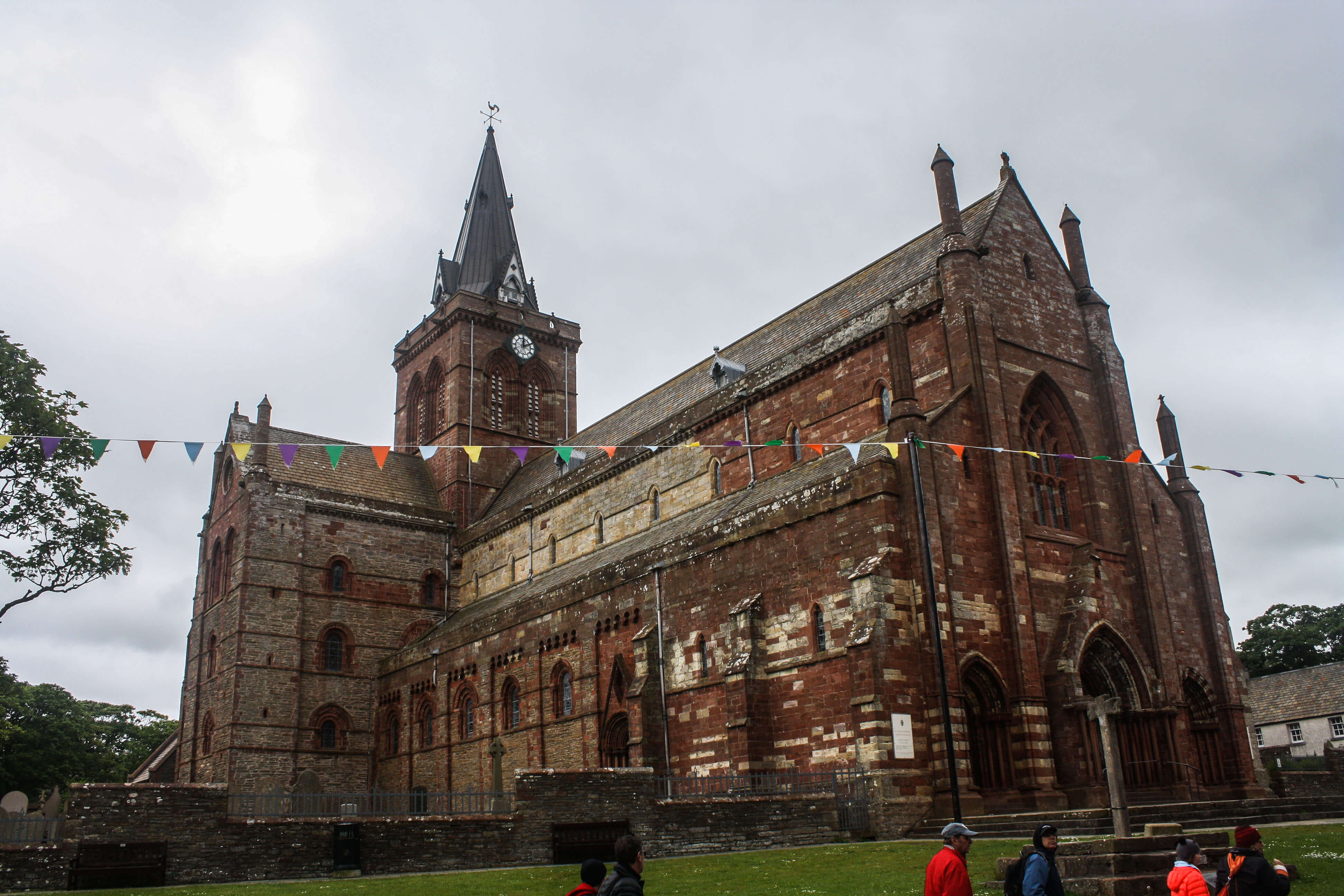
Scotland’s Spectacular Churches
Some are so ancient, you can almost hear the ghosts of worshippers from nearly a millennium ago. The churches of Scotland, like much of the nation’s architectural inventory, are astoundingly sturdy-looking, as if nothing could ever destroy them. They’re also exquisitely beautiful, with the most delicate details that often belie their bulk. They continually impressed me as I made my two-week loop around this irresistible land. Read about the top five churches in Scotland >
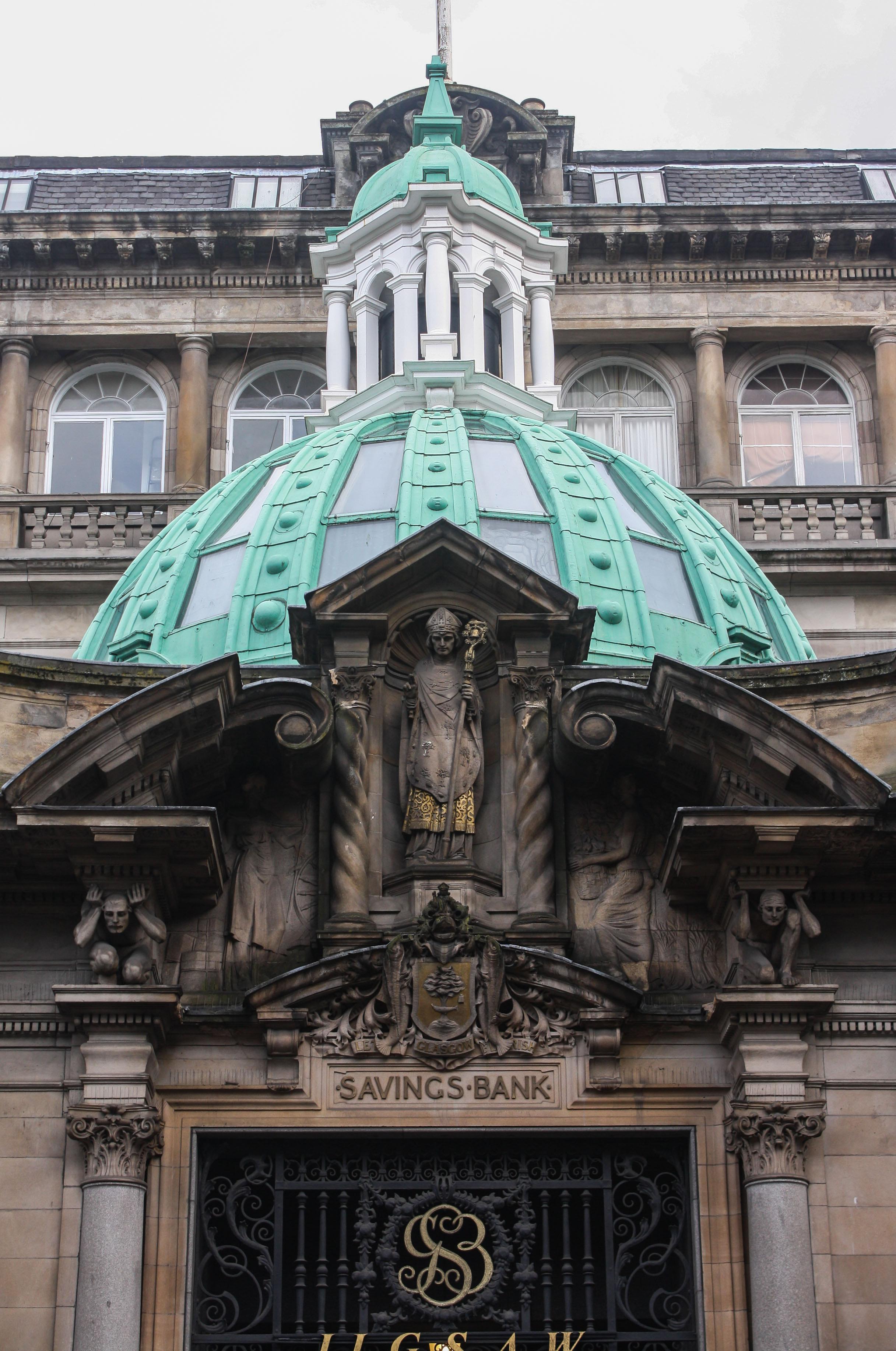
Scotland’s Bank Buildings Generate More Pop for the Pound
For centuries throughout Europe, the Church was the main beneficiary of financial dedication and patronage, giving rise to some of the world’s most magnificent cathedrals, basilicas, churches, and chapels. But as decrescent religion’s ambit started to fade with the burgeoning of trade and commercialism in the 1800s, banks and commercial institutions began to syphon off much of that funding, which they used to erect structures that honored not a higher being, but capitalism and economic power. This watershed resulted in increasingly grandiose bank headquarters and branches, and few people did it better than the Scots. Read more about the top five bank buildings in Scotland >