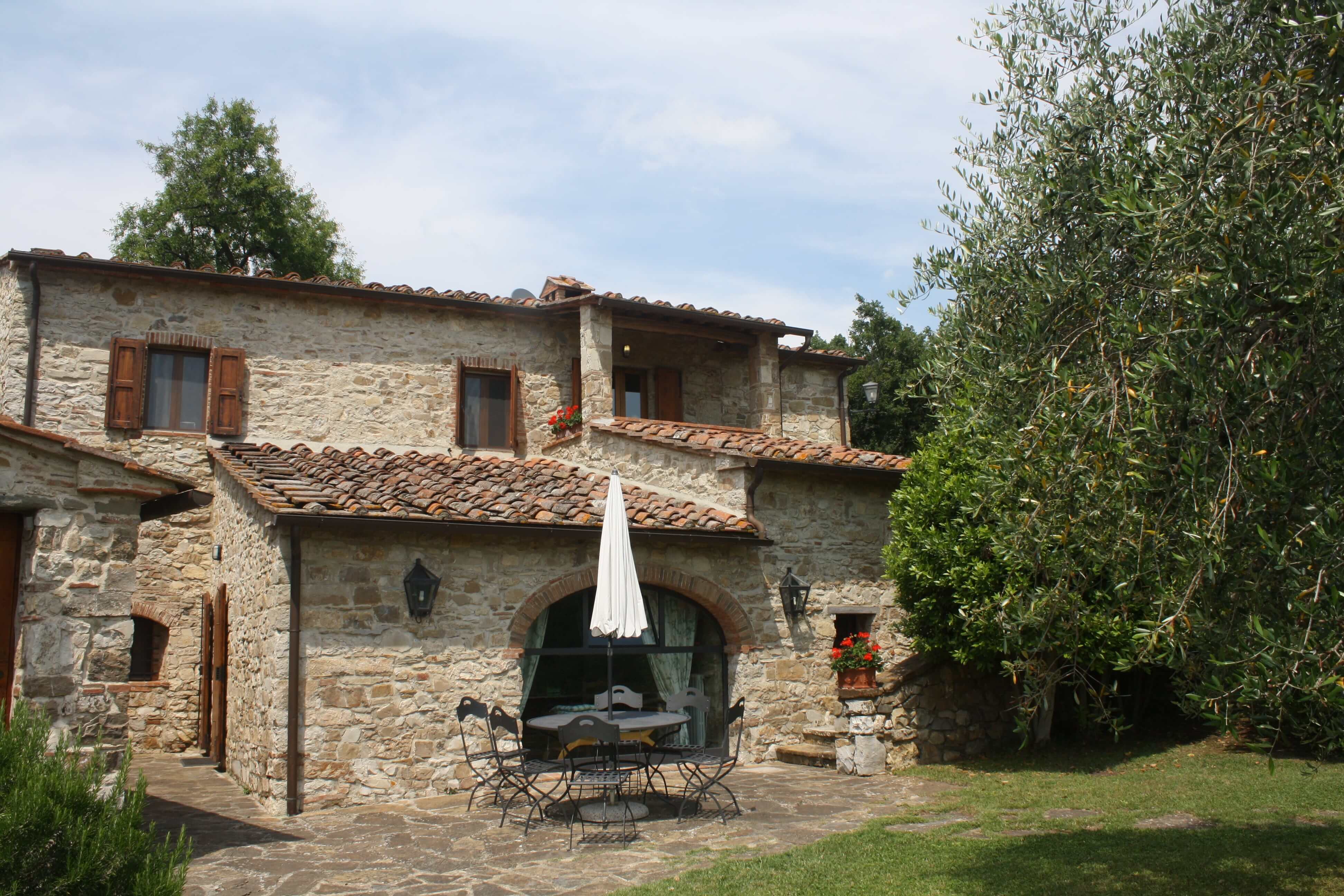
Spending a week in a Tuscan villa is one of those dreamy concepts that you hope to transform into a reality one day. Fortunately, I was able to do just that when I convinced my family to spend a couple of weeks in Italy to celebrate my parents’ 50th anniversary. We spent our first week at a villa in Piedmont, and now we were about to enjoy our second week in one of Italy’s most romantic regions, at Villa Carpineto in the Tuscan town of Castellina in Chianti. Read about it >
My motivations were, admittedly, selfish: I had been wanting to rent a vacation villa in Italy for years, but, for reasons beyond my comprehension, no one I knew shared that interest. So, when my parents’ 50th anniversary rolled around, I cloaked my desire in a proposal to celebrate their life milestone with them and some other family members in Italy for a couple of weeks. There was rapid buy-in, and I was soon planning a two-week journey for seven people, which began with a week at Villa Cascina Martinenga in the small town of Cereseto in Piedmont. Read about it >
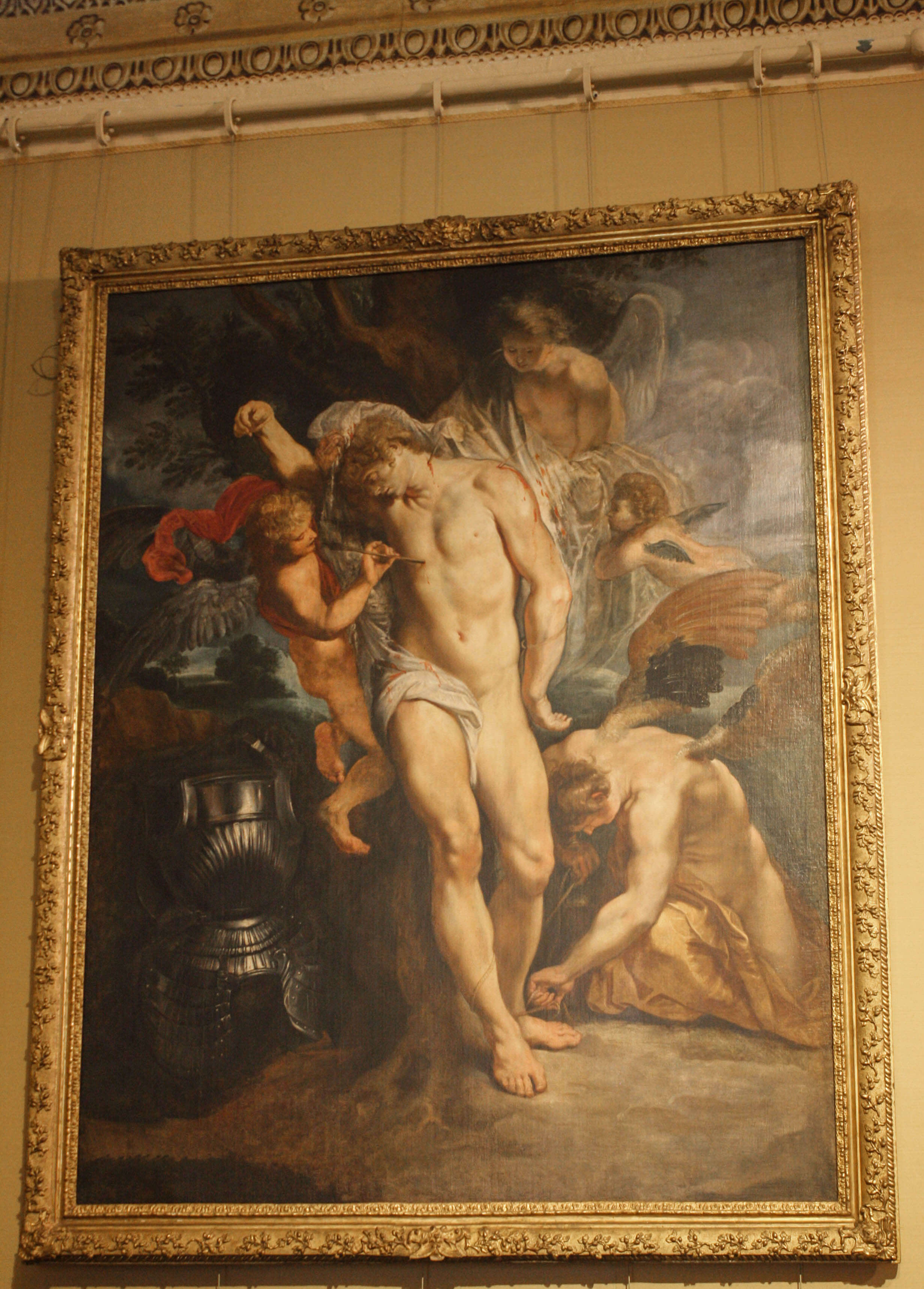
If Cupid should hit you with an arrow, consider yourself lucky. If anyone else does, it’s going to hurt. A lot. And if multiple arrows pierce you, good luck. St. Sebastian should know. A courageous captain of the Praetorian Guards in the Imperial Roman army during the 200s, St. Sebastian, in the Christian canon of gruesome martyrdoms, suffered this particular form of torture for being a devout Christian, yet he didn’t die from his arrow wounds. Rather, he survived, aided by a pious woman, only to be clubbed to death shortly after for some bold lèse-majesté against Emperor Diocletian. Despite his ultimate fate, the saint, whose feast day is celebrated on January 20, is almost always pictured as an archer’s target practice. Read about the top five depictions of St. Sebastian >
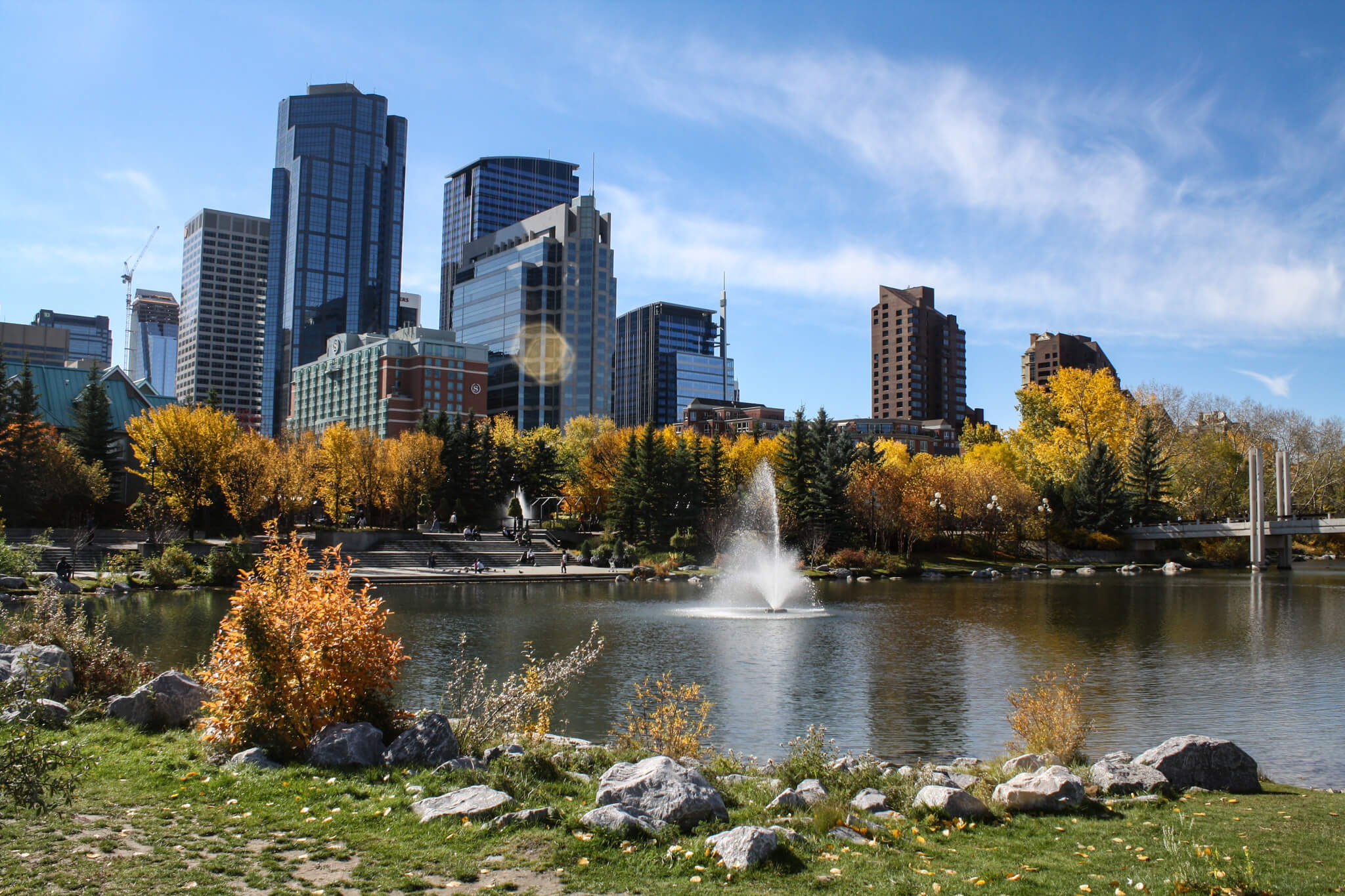
Sometimes, in order to get the best view of a city’s skyline, you have to be outside the city. But not always—sometimes the best view comes from the top of a tall building right in the heart of it. Either way, many cities around the world boast beguiling skylines that cannot be mistaken for any other and simply cannot be missed, whether it’s the high-rise profile of Hong Kong or the low-rise beauty of Dubrovnik, Croatia. Read about the top five skylines >
While lying on my back in my apartment and fighting off a mild case of COVID, I had plenty of time to stare at my ceilings—outdated, white, popcorn ceilings with a little crack way over there in the corner. In between mental debates over whether I should have them smoothed over and redone, I also had an abundance of time to reflect on other ceilings I’ve seen around the world—outrageously beautiful works of art that will make you want to look up and spend hours marveling over their perfection. Read about the top five ceilings >
I’ve had the opportunity to ring the bells at the Church of St. Anne Shandon in Cork, Ireland, and at the Church of the Assumption on an island in Lake Bled, Slovenia. But, for the most part, my experiences with bell towers have been restricted to admiring their vertical beauty and listening to their heavenly music, and that’s rewarding enough. No matter their purpose, from cheerful chimes on college campuses to somber tolling marking a funeral, bell towers make for striking exclamation points in a cityscape. Read about the top five bell towers >
Baptism is the first step to becoming a Christian. In fact, it grants admission into the Church. It’s usually accompanied during a religious service with a sprinkling of water on the forehead, but sometimes it involves a full-body immersion. Whichever method is used, churches around the world accommodate it with a variety of baptismal fonts, from the modest to the mammoth, and I’ve found many of them to be striking works of art. Read about the top five baptismal fonts >
They’re Doric, Ionic, Corinthian, Tuscan, smooth or fluted, singular or clustered. Their capitals can resemble anything from acanthus leaves to volutes. And when they’re not supporting entire buildings, giving the appearance of such on a building’s façade, or forming an arcade, columns often sprout up as stand-alone structures. These engaging specimens of verticality, whether they’re slender or bold, have always caught my eye (whether or not I’m able to climb to their tops). Read about the world’s top five columns >
As Easter approaches, Christianity’s most important holidays and events unfold at a breakneck pace: Jesus’ Condemnation, Crucifixion, Disposition, and Entombment (all represented in the Stations of the Cross), and Resurrection. It all starts with the Last Supper, when Jesus gathered his 12 Apostles for a final meal, called out Peter as His soon-to-be denier, and basically let Judas identify himself as His imminent betrayer. For centuries, this momentous meal has been captured in art, and I’ve seen it depicted in all kinds of media around the world. Read about the top five depictions of the Last Supper >
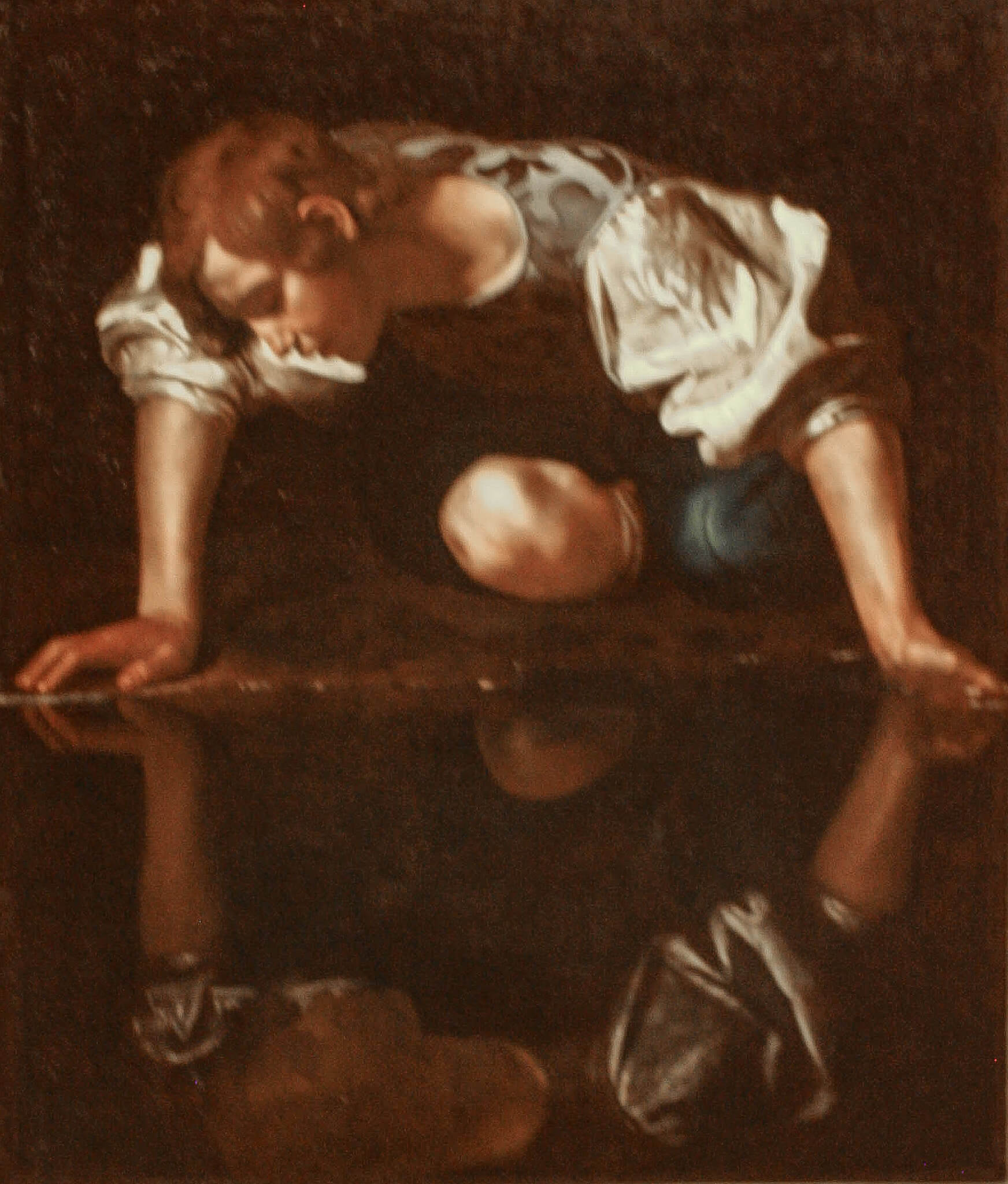
His art was as enthralling as his life. His paintings, always on canvas, were revolutionary. A master of chiaroscuro and realism, Michelangelo Merisi da Caravaggio ushered in a dramatic new style of art in the late 1500s and early 1600s that mesmerized some and appalled others, but which established him as one of the leading Baroque artists of his era. How he found time to create such an impressive œuvre amazes me: Caravaggio spent much of his time brawling, carousing, and bouncing around the Mediterranean, from his hometown of Milan to Rome to Naples to Malta to Sicily and back to Italy, being imprisoned, fleeing from a death sentence and warrants for his arrest for manslaughter and assault, and being expelled from the Knights of Malta after a membership of only half a year. And he did all of that by the time he died under mysterious circumstances at age 38. He left behind an impressive canon that easily established himself as one of my favorite artists—but one who was nearly forgotten for centuries. Read about my top five works by Caravaggio >






 Stephen Travels