If Cupid should hit you with an arrow, consider yourself lucky. If anyone else does, it’s going to hurt. A lot. And if multiple arrows pierce you, good luck. St. Sebastian should know. A courageous captain of the Praetorian Guards in the Imperial Roman army during the 200s, St. Sebastian, in the Christian canon of gruesome martyrdoms, suffered this particular form of torture for being a devout Christian, yet he didn’t die from his arrow wounds. Rather, he survived, aided by a pious woman, only to be clubbed to death shortly after for some bold lèse-majesté against Emperor Diocletian. Despite his ultimate fate, the saint, whose feast day is celebrated on January 20, is almost always pictured as an archer’s target practice. Read about the top five depictions of St. Sebastian >
While lying on my back in my apartment and fighting off a mild case of COVID, I had plenty of time to stare at my ceilings—outdated, white, popcorn ceilings with a little crack way over there in the corner. In between mental debates over whether I should have them smoothed over and redone, I also had an abundance of time to reflect on other ceilings I’ve seen around the world—outrageously beautiful works of art that will make you want to look up and spend hours marveling over their perfection. Read about the top five ceilings >
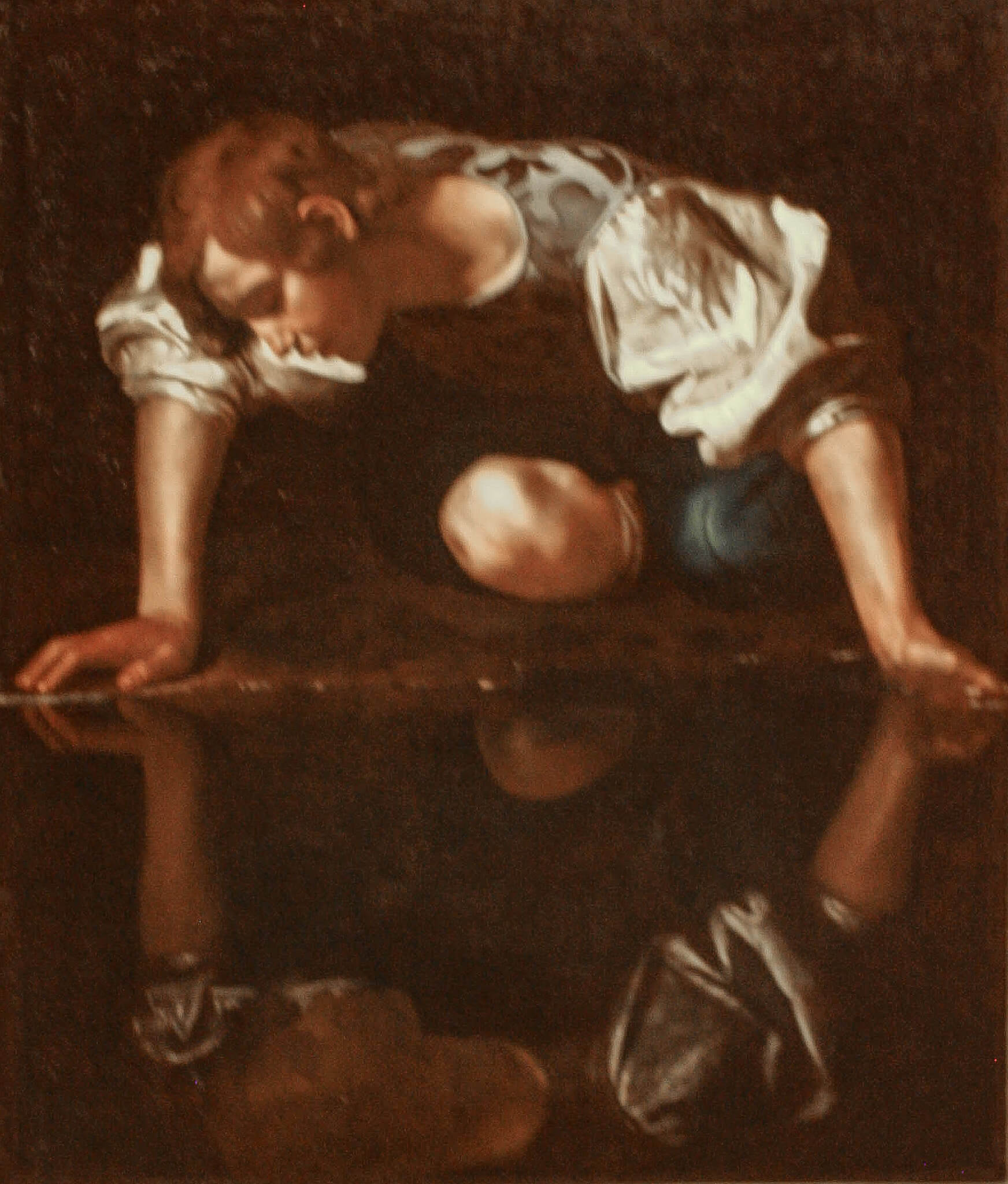
His art was as enthralling as his life. His paintings, always on canvas, were revolutionary. A master of chiaroscuro and realism, Michelangelo Merisi da Caravaggio ushered in a dramatic new style of art in the late 1500s and early 1600s that mesmerized some and appalled others, but which established him as one of the leading Baroque artists of his era. How he found time to create such an impressive œuvre amazes me: Caravaggio spent much of his time brawling, carousing, and bouncing around the Mediterranean, from his hometown of Milan to Rome to Naples to Malta to Sicily and back to Italy, being imprisoned, fleeing from a death sentence and warrants for his arrest for manslaughter and assault, and being expelled from the Knights of Malta after a membership of only half a year. And he did all of that by the time he died under mysterious circumstances at age 38. He left behind an impressive canon that easily established himself as one of my favorite artists—but one who was nearly forgotten for centuries. Read about my top five works by Caravaggio >
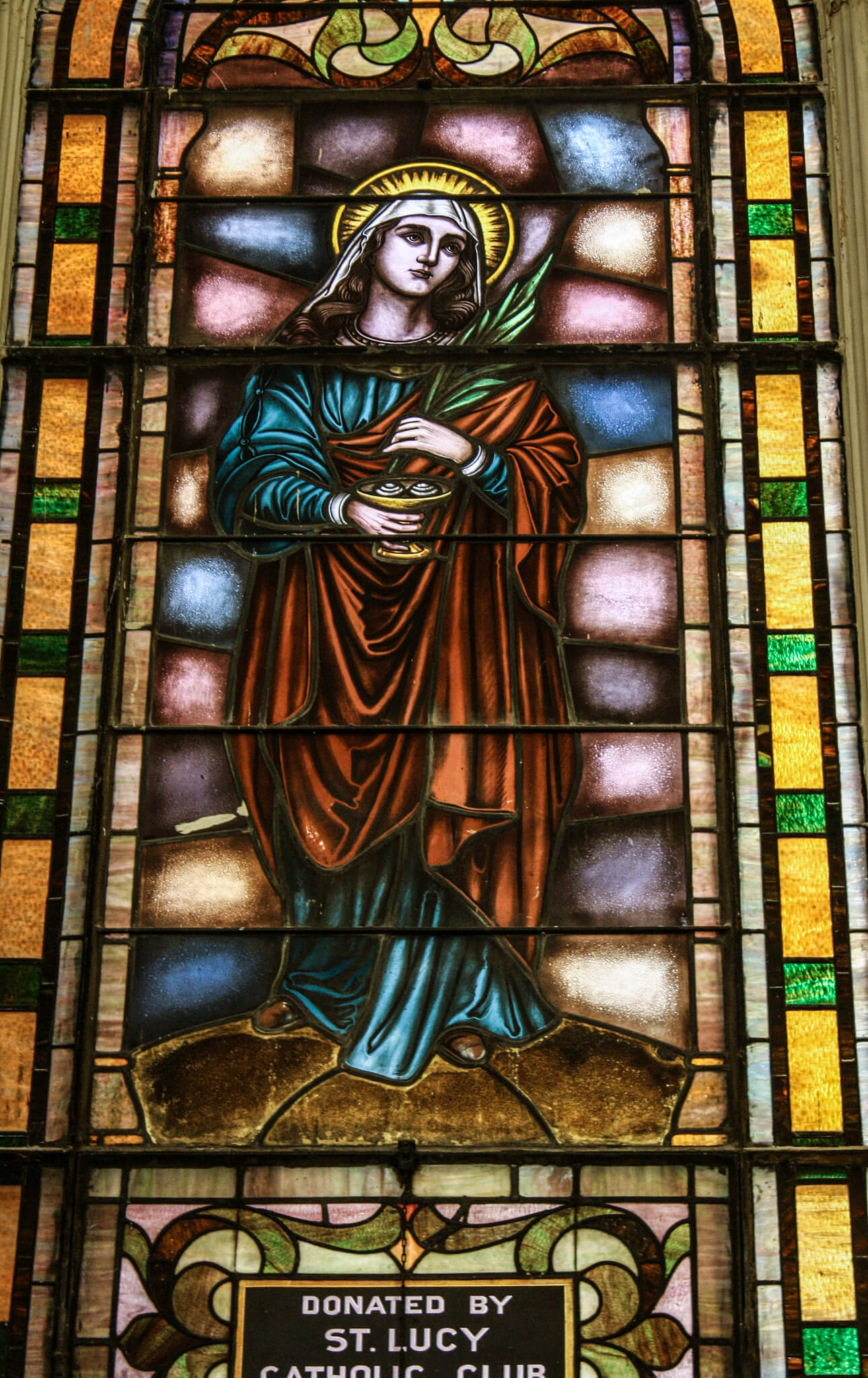
On the Feast of St. Lucy, celebrated on December 13, followers of the Catholic, Anglican, Lutheran, and Eastern Orthodox faiths venerate the Christian martyr who died a virgin at age 21 in 304. Patron saint of the blind and visually impaired, Lucy’s fame spread around the world, from celebratory processionals in Scandinavia to Dante’s Divine Comedy to the naming of St. Lucia in the Caribbean. I had the good fortune to view the saint’s body, enshrined in a glass-front coffin, in the Church of Sts. Jeremiah and Lucy in Venice, Italy, in 2008, but before and after that, I’ve always been intrigued by how she’s treated in art. Read about the top five artistic depictions of St. Lucy >
An artist’s ability to carve a human head and have the result bear an uncanny likeness to the model never fails to impress me. Such busts may very well cause you to do a double-take, as you question yourself whether that is the real flesh-and-blood person, or their image re-created in marble, copper, stone, or whatever other material the sculptor has chosen to employ. Some, of course, rise head and shoulders above the rest. Read about the world’s top five busts >
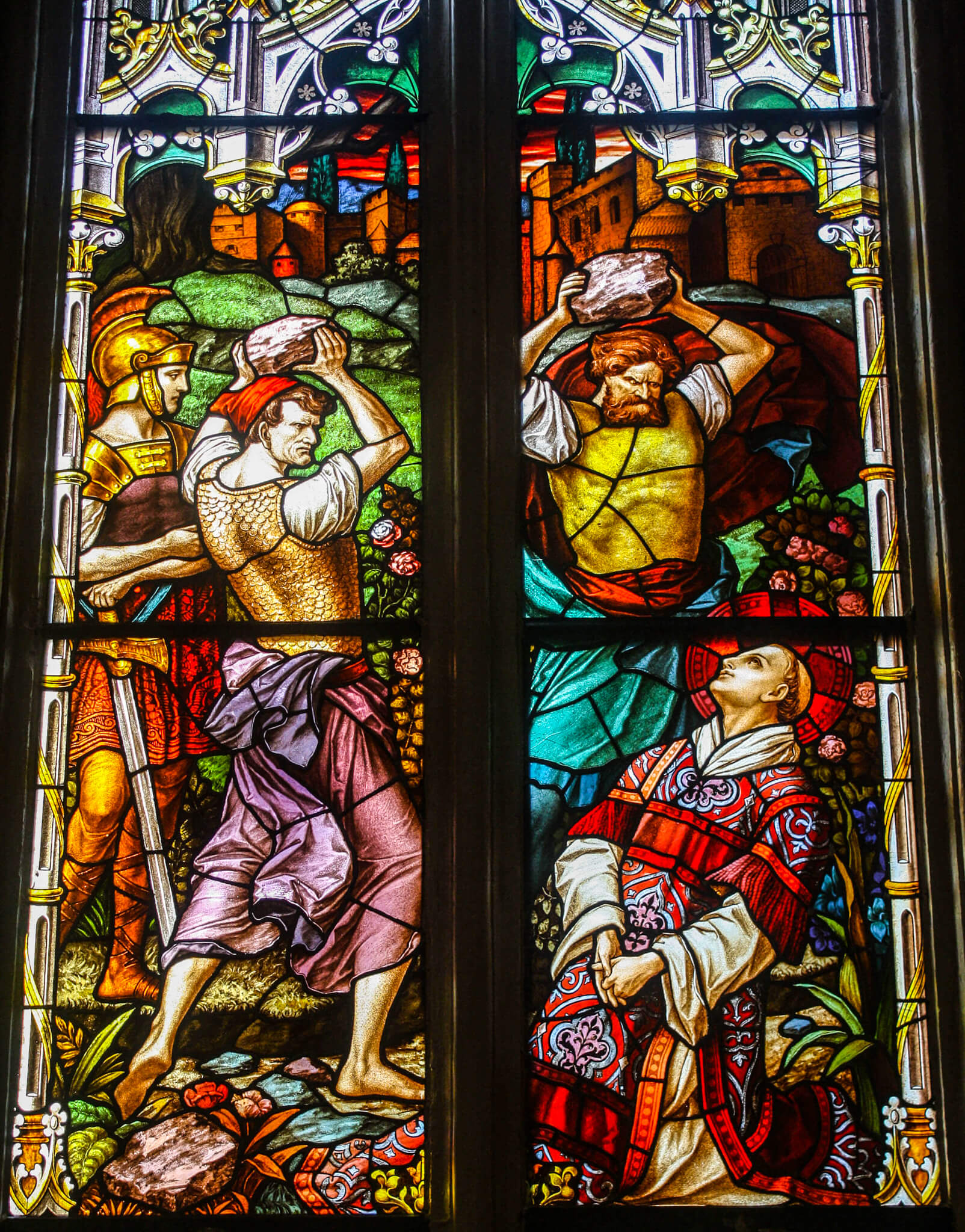
At last count, there are at least nine St. Stephens, including a Byzantine monk, an English abbot, and a Russian painter and missionary. I’m familiar with only two: Stephen I, the man who united Hungary into one nation a millennium ago and served as its first king for nearly 40 years, and my namesake, the Biblical Stephen who was stoned to death for his faith, thus becoming Christianity’s first martyr. With the latter’s feast day coming up, on December 26, it seems like an appropriate time to take a look at how this Stephen is presented in art—very often, but not always, holding the rocks that were used to kill him. Read about the top five depictions of St. Stephen >
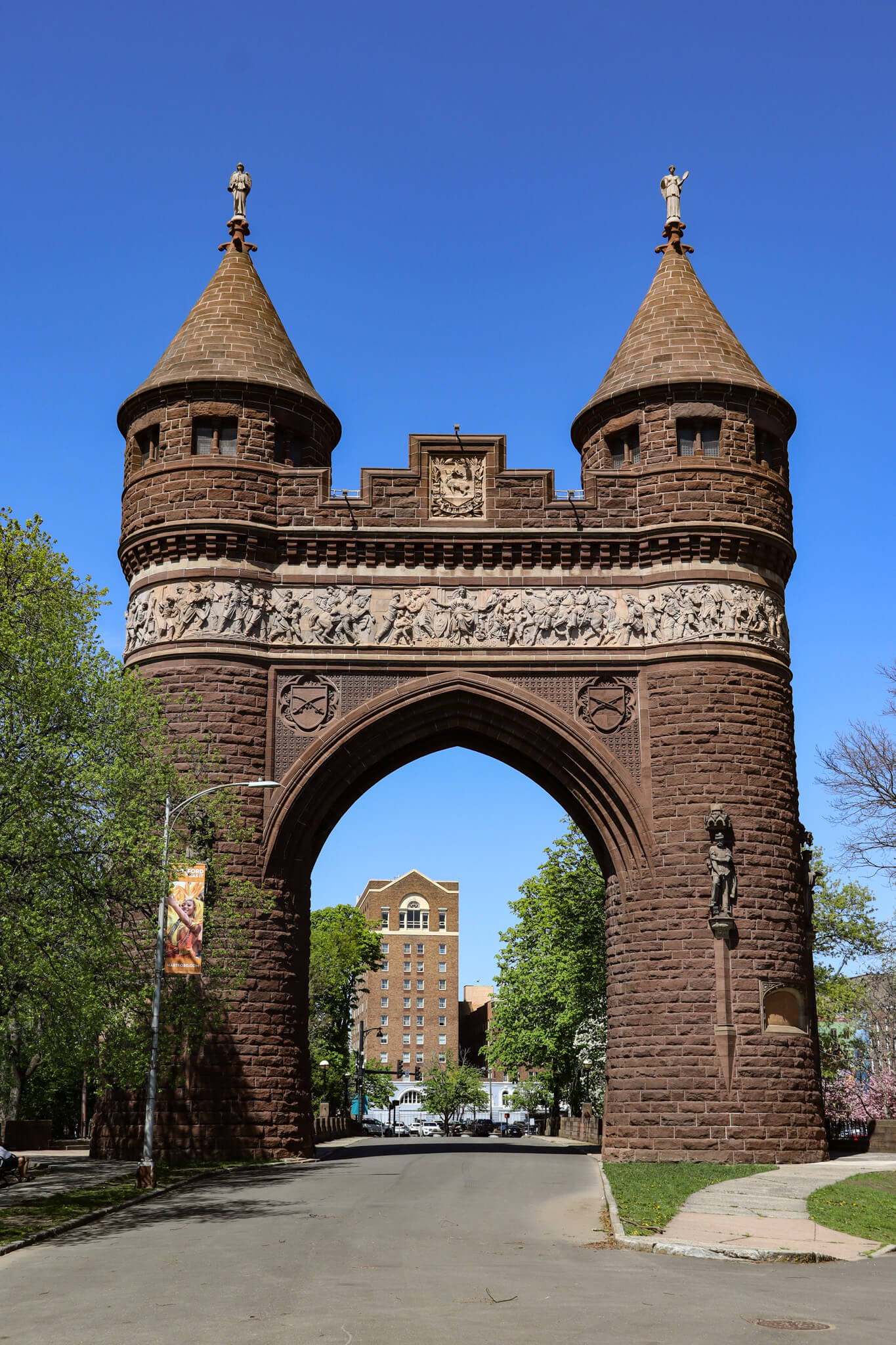
They seem simple: vertical curved structures that span an open space and may, or may not, support weight above it. Of course, arches are much more complicated than that, a complex balance of compression, stress, thrust, bracings, and transference. The Mesopotamians got the jump on them four thousand years ago, but it was the Romans who used them systematically in a wide range of structures, leading eventually to a worldwide adaptation of this most beautiful form. Read about the top five arches >
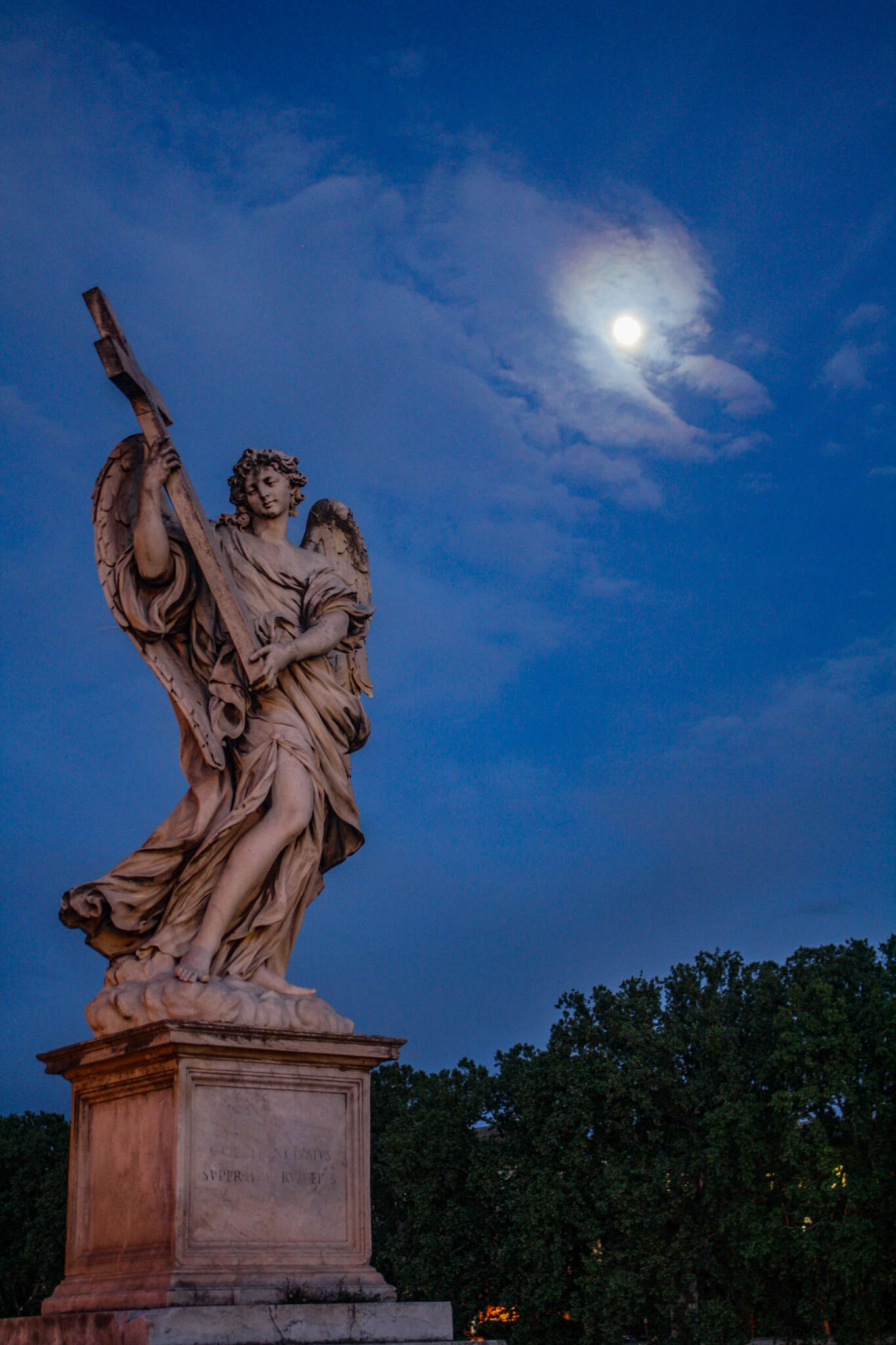
Angels are a common motif during the Christmas season (particularly noteworthy is Clarence in the classic It’s a Wonderful Life, and in the holiday markets in Düsseldorf, Germany), but they’re not restricted to December. You can find them throughout the year, in myriad locations and captured in various materials and emotional states, from joyful angels blowing horns to mournful ones grieving at gravesites. You may even have one of the guardian type of your own. Read about the top five angels >
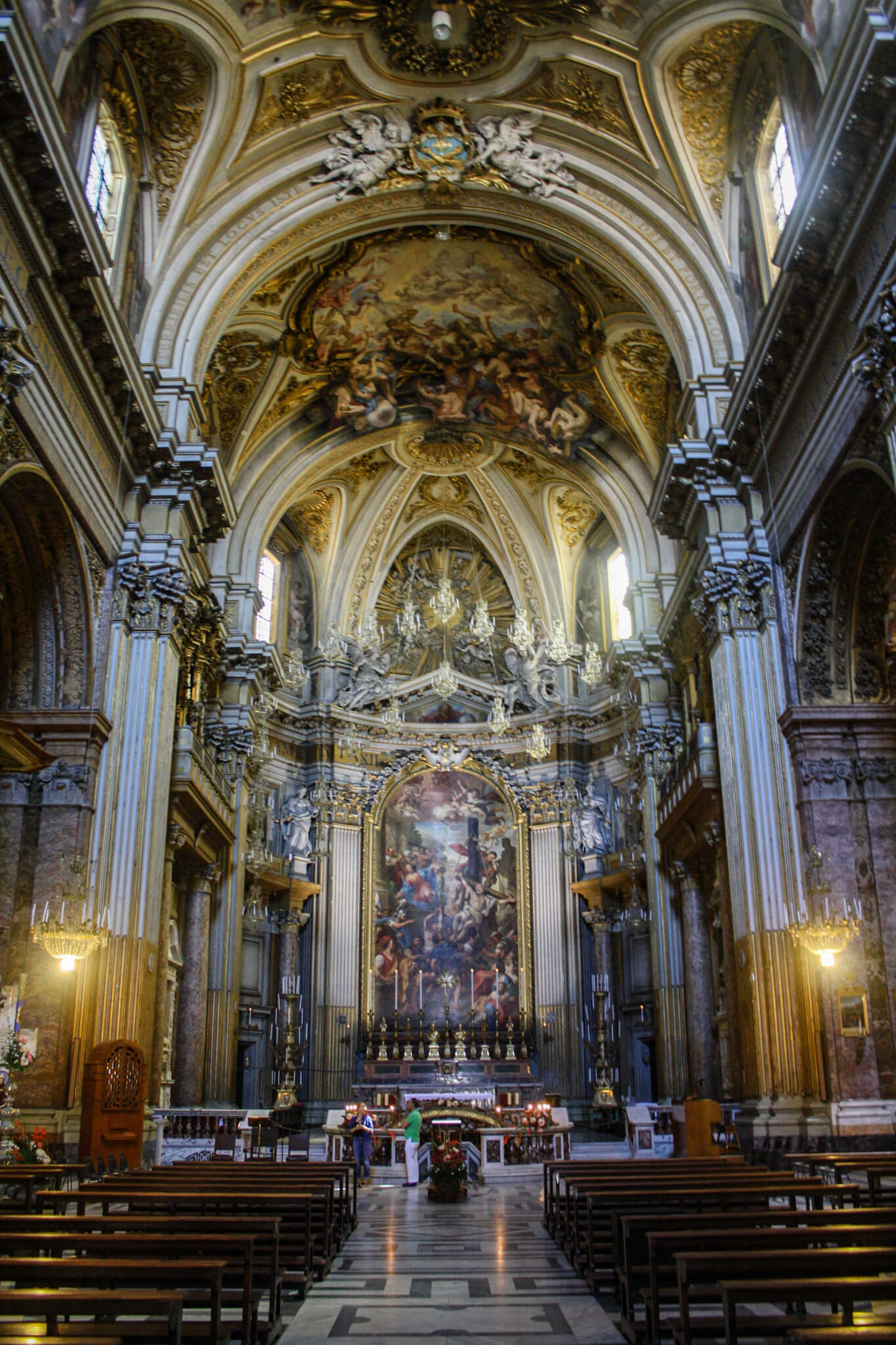
Rome and religion are intrinsically intertwined. Completely surrounding the Catholic mini-state of the Vatican City, the Italian capital has been influenced by the church, and vice versa, for centuries. Italians still go pazzo for Il Papa, and a papal Mass in the Basilica of St. Peter is an unforgettable experience (at least, from what I’ve heard). Of course, getting into one takes a lot of doing, so most of us will have to be satisfied with just popping into a regular run-of-the-mill church that a pope may or may not have visited at some point. But in Rome, that means you inevitably step into a dazzling place that could stand on its own against most museums. Filled with long histories, incredible architecture, and art by some of Italy’s heavyweights, the churches of Rome — and there are many of them — rank among the most beautiful in the world. The first one I entered was so sublime that I needed no further motivation to visit every other one I came across. Read about the top five churches in Rome >
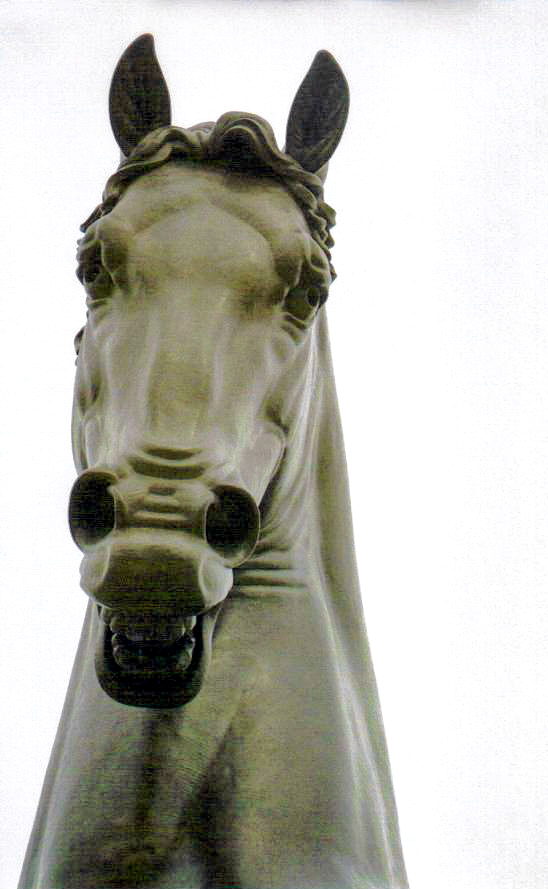
All pet owners know that their four- and sometimes two-legged friends have distinctive personalities. But that doesn’t apply solely to our domesticated companions. Go into the wild and watch how different penguins or baboons behave, and you’ll start to notice the uniqueness of each individual. Animals are just as complicated as humans (with a lot less baggage), capable of learning, surviving against the odds, and feeling, everything from fear and compassion to sadness and joy. We’ve all seen the videos of elephants crying, a husky going absolutely bonkers when his master returns home after an extended tour of duty overseas, the Labrador gently interacting with a curious but cautious three-year-old boy with Down syndrome, and the giraffe kissing his caretaker goodbye, sensing the man’s impending death from cancer. When animals are portrayed in art and an artist can brilliantly capture their entire being and personality — their characteristics, beauty, and emotions — in static media like marble or paint, you’ll find yourself looking at something that comes this close to being the real thing. Read about the top five animals in art >

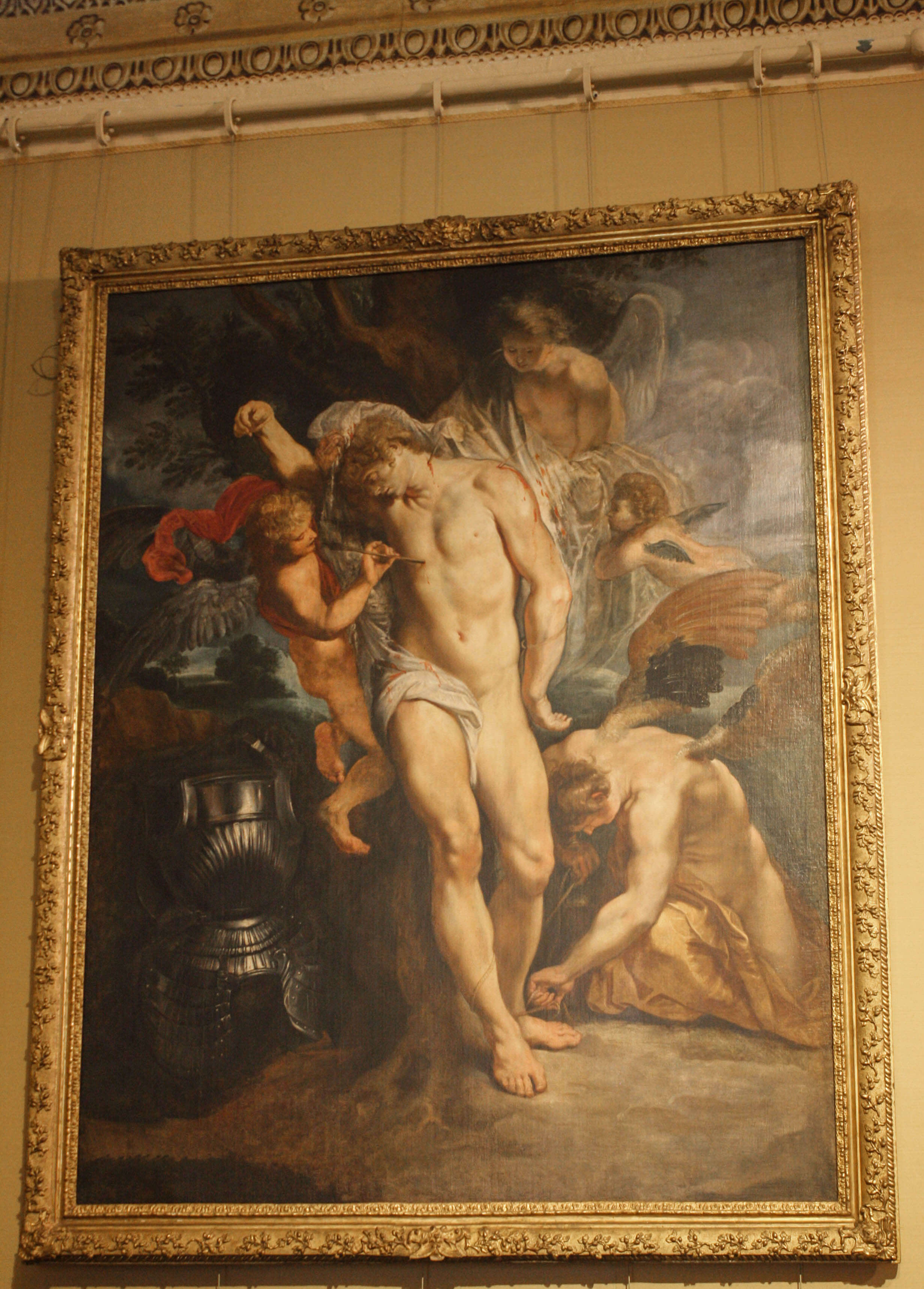 If Cupid should hit you with an arrow, consider yourself lucky. If anyone else does, it’s going to hurt. A lot. And if multiple arrows pierce you, good luck. St. Sebastian should know. A courageous captain of the Praetorian Guards in the Imperial Roman army during the 200s, St. Sebastian, in the Christian canon of gruesome martyrdoms, suffered this particular form of torture for being a devout Christian, yet he didn’t die from his arrow wounds. Rather, he survived, aided by a pious woman, only to be clubbed to death shortly after for some bold lèse-majesté against Emperor Diocletian. Despite his ultimate fate, the saint, whose feast day is celebrated on January 20, is almost always pictured as an archer’s target practice. Read about the top five depictions of St. Sebastian >










 Stephen Travels