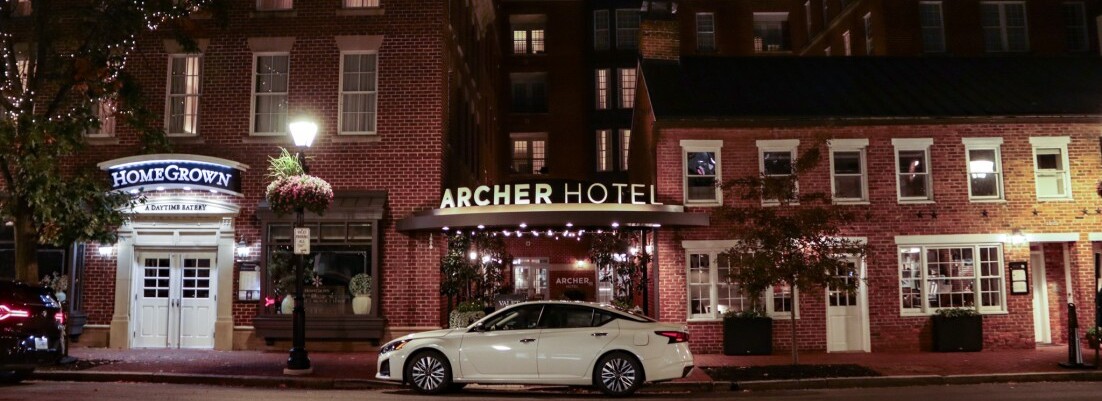
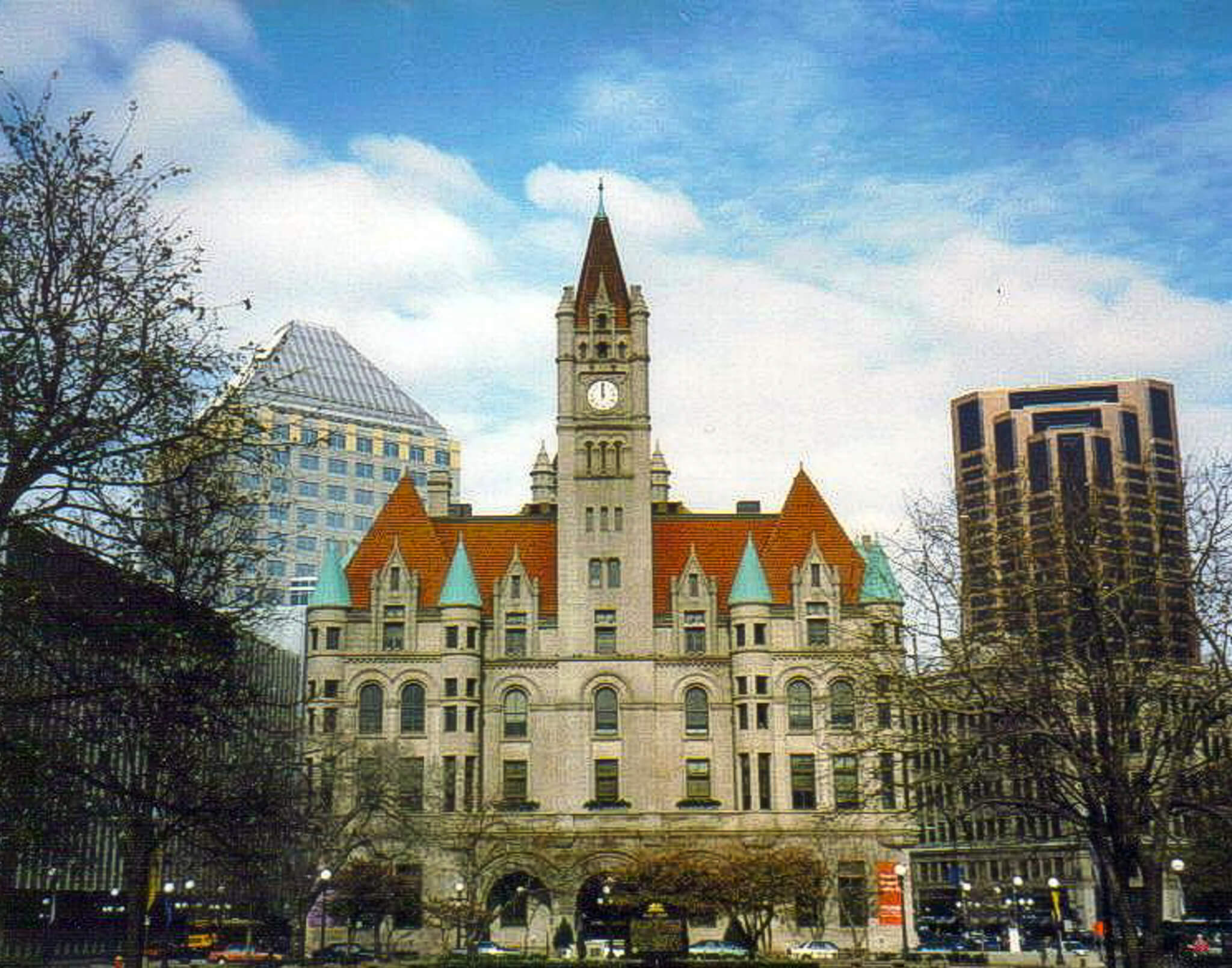
 I’ve been to Minnesota three times—once on a lark in late autumn when an unexpected snowstorm necessitated purchases of gloves and hats, once on a quick business trip to do a press check at a former job, and once as a starting point for a two-week romp around the Dakotas. None of them were long enough to completely immerse myself in the 12th-largest state in the United States, yet they did afford me the opportunity to check out some of the state’s more than 10,000 lakes as well as its striking architecture. Read about the top five buildings in Minnesota >
Tag Archives: architecture

Holy Harrisburg!
 Harrisburg was a one-day stopover on my drive between Indianapolis and my home in New York. I had always wanted to see the Pennsylvania state capitol, and after checking in to the wonderful Manor on Front, I strolled along the Susquehanna River to my destination. The capitol’s massive green dome is certainly impressive, but so is the surprising number of lovely churches packed into a relatively small downtown. Read about the top five churches in Harrisburg, Pennsylvania >
Share my story:

Warsaw Saw War—and Then Rebuilt Its Churches as if Nothing Had Happened
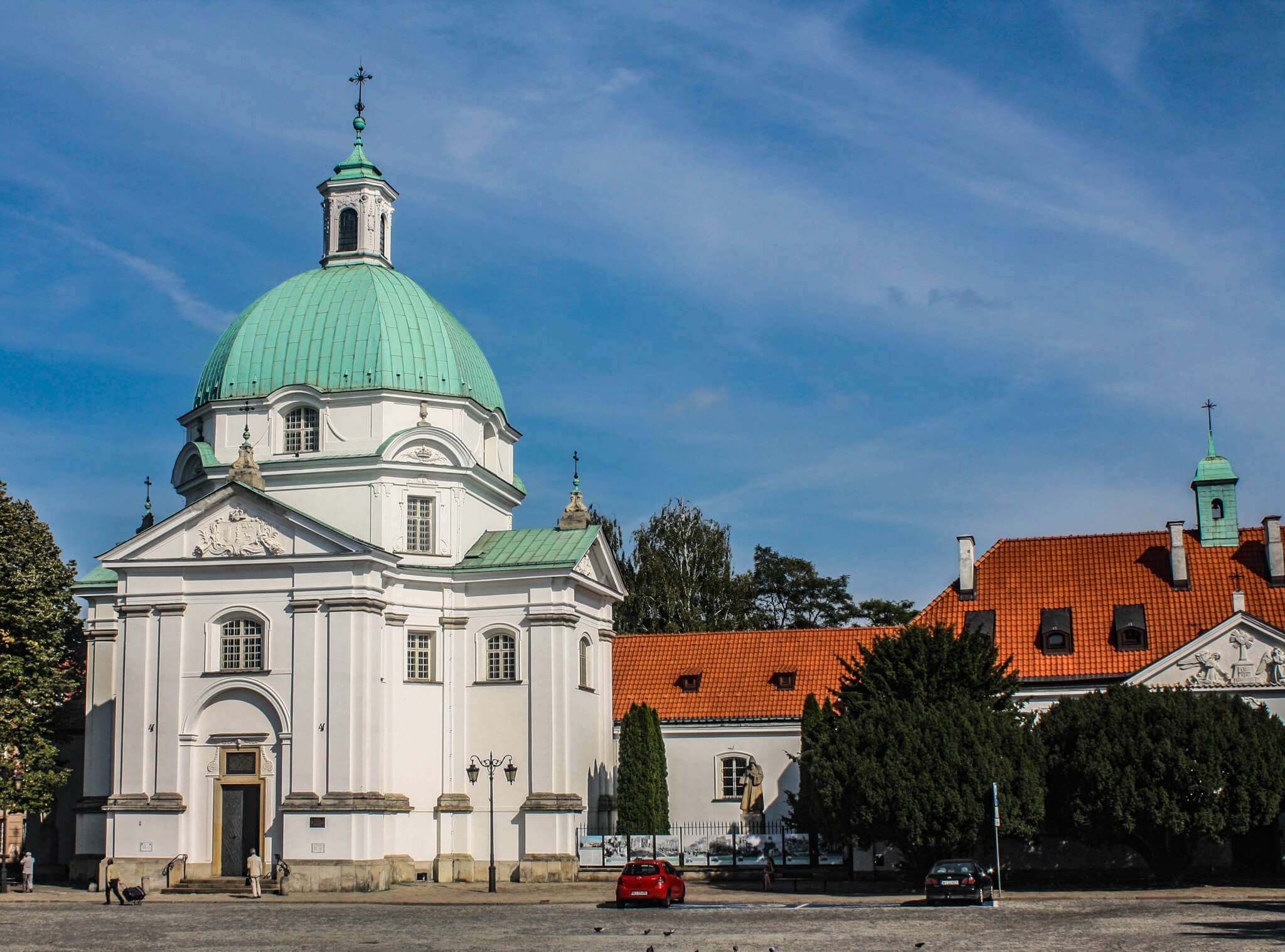 I wasn’t surprised by the number and the beauty of the churches in the overwhelmingly Catholic city of Warsaw, Poland, where three-quarters of the population of 1.8 million identify as Roman Catholic. I was surprised, however, by how many of them had been obliterated during World War II and then rebuilt. Some took on a simpler variation of the original, but many were restored to their baroque, rococo, and neoclassical glory. Read about the top five churches in Warsaw >
Share my story:

One Columbus Day
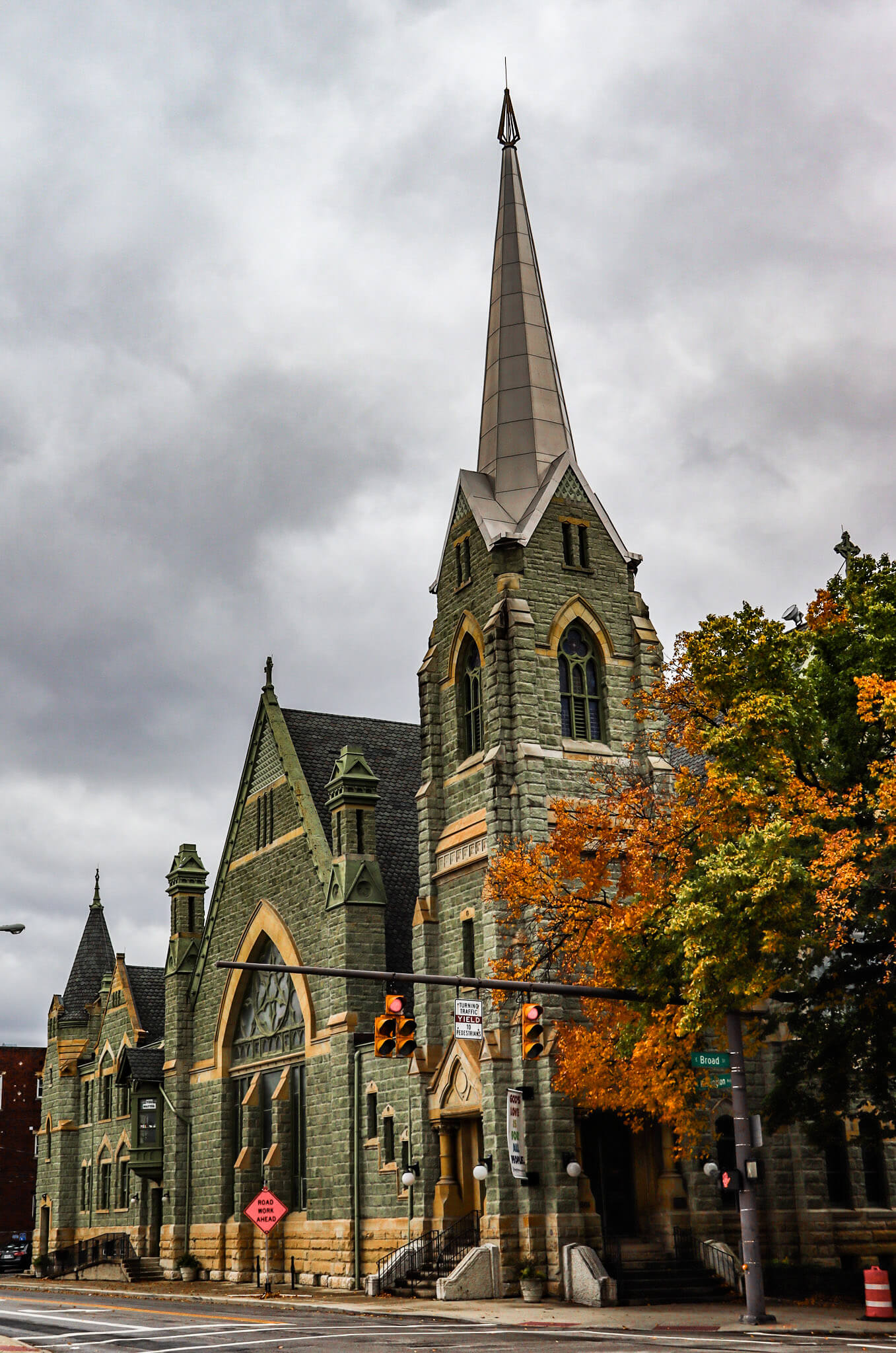 Columbus’ earliest structures are the burial mounds of the indigenous peoples. Things have certainly changed since they occupied this area smack in the middle of Ohio from 1000 B.C. to 1700. Since 1812, the population of the state capital has grown every decade, unlike other large Ohio cities like Akron, Cincinnati, Cleveland, and Toledo. With a population of over 900,000, it’s the largest city in Ohio. That means it needs a lot of buildings to conduct its business and house its citizens, and I had the opportunity to check out many of them during my one day here. Read about the top five buildings in Columbus, Ohio >
Share my story:

Standing Tall: The World’s Best Columns
 They’re Doric, Ionic, Corinthian, Tuscan, smooth or fluted, singular or clustered. Their capitals can resemble anything from acanthus leaves to volutes. And when they’re not supporting entire buildings, giving the appearance of such on a building’s façade, or forming an arcade, columns often sprout up as stand-alone structures. These engaging specimens of verticality, whether they’re slender or bold, have always caught my eye (whether or not I’m able to climb to their tops). Read about the world’s top five columns >
Share my story:

British Columbia’s Best Buildings
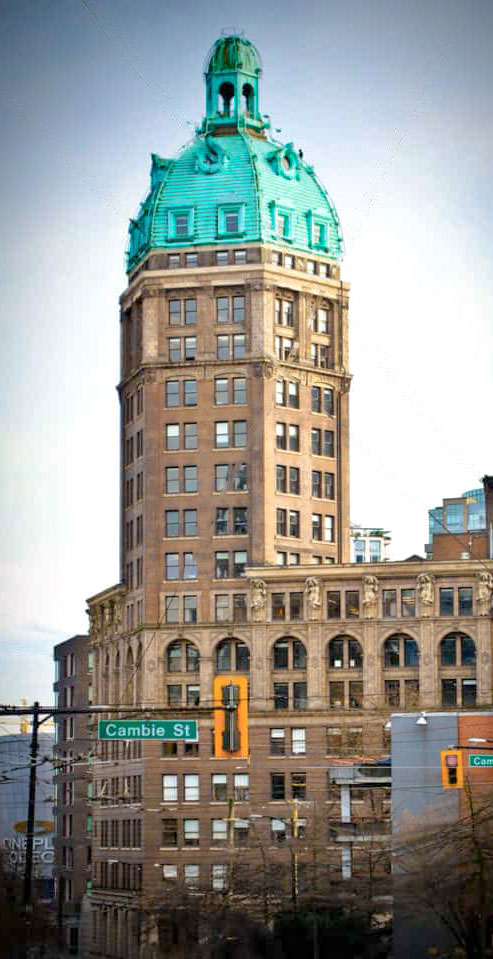 From its rugged Pacific coastline to its dramatic Rocky Mountain spine, British Columbia is one heck of a beautiful Canadian province, ideal for athletes and nature lovers. But urbanites shouldn’t feel excluded in this vast, wild region. They’ll feel right at home in the two largest cities, Vancouver and Victoria, that teem with cultural events as well as some impressive architecture. Read about the top five buildings in British Columbia >
Share my story:

Post’s Present
 George Browne Post should be a household name, but for most people, he is not. And that’s a shame. Post (1837–1913) was one of the United States’ most prolific, most creative, and most respected architects. We can curse the evil wrecking ball for shunting Post to the forgotten architects bin. If you were to scan a list of all his brilliant works, far too many would bear an asterisk with the note “demolished”: the Erie County Savings Bank in Buffalo, New York; the Cotton Exchange, Western Union Building, World Building, and Collis P. Huntington Mansion in New York City; the old Borough Hall in the Bronx, New York; the Bonner-Marquand Gymnasium at Princeton University; the Prudential Building in Newark, New Jersey; the Bank of Pittsburgh—all gone. Those that remain, however, are reminders of Post’s enviable talents that attracted such clients as Cornelius Vanderbilt, Joseph Pulitzer, and The New York Times. Read about the top five works by George Browne Post that still remain >
Share my story:

Allelujah and Amen, Atlanta!
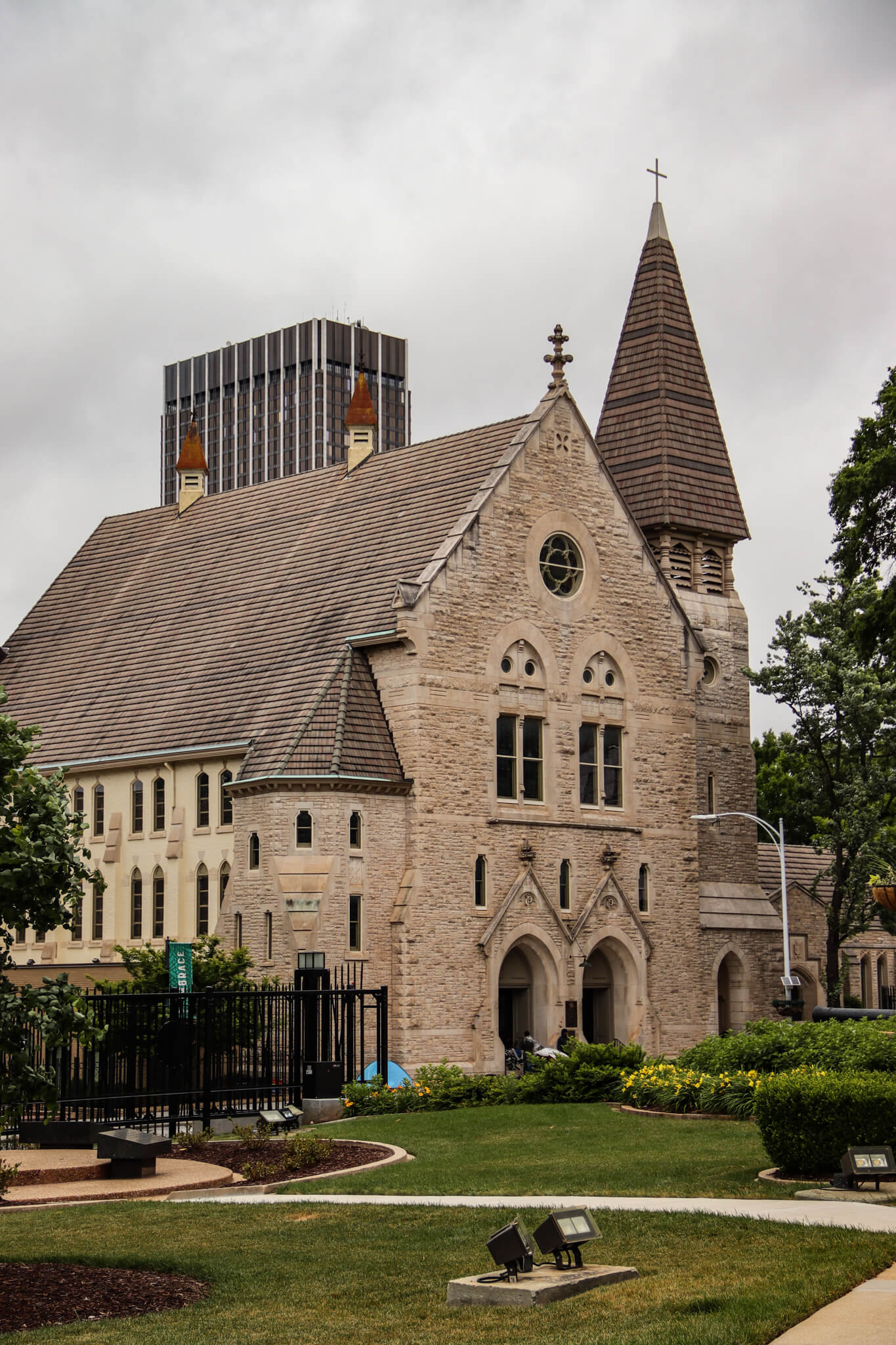 More than one thousand churches are scattered around Atlanta, Georgia. The destruction of the Civil War did away with the oldest ones, so all of those that I was admiring were erected after 1865. It’s not uncommon to see clusters of them in, say, a two-block radius—churches built for different denominations and faiths—which makes it exceptionally convenient to cast a not-so-wide net and still visit an abundance of these beautiful buildings. Read about the top five churches in Atlanta >
Share my story:

Standout Buildings of Sioux Falls, South Dakota
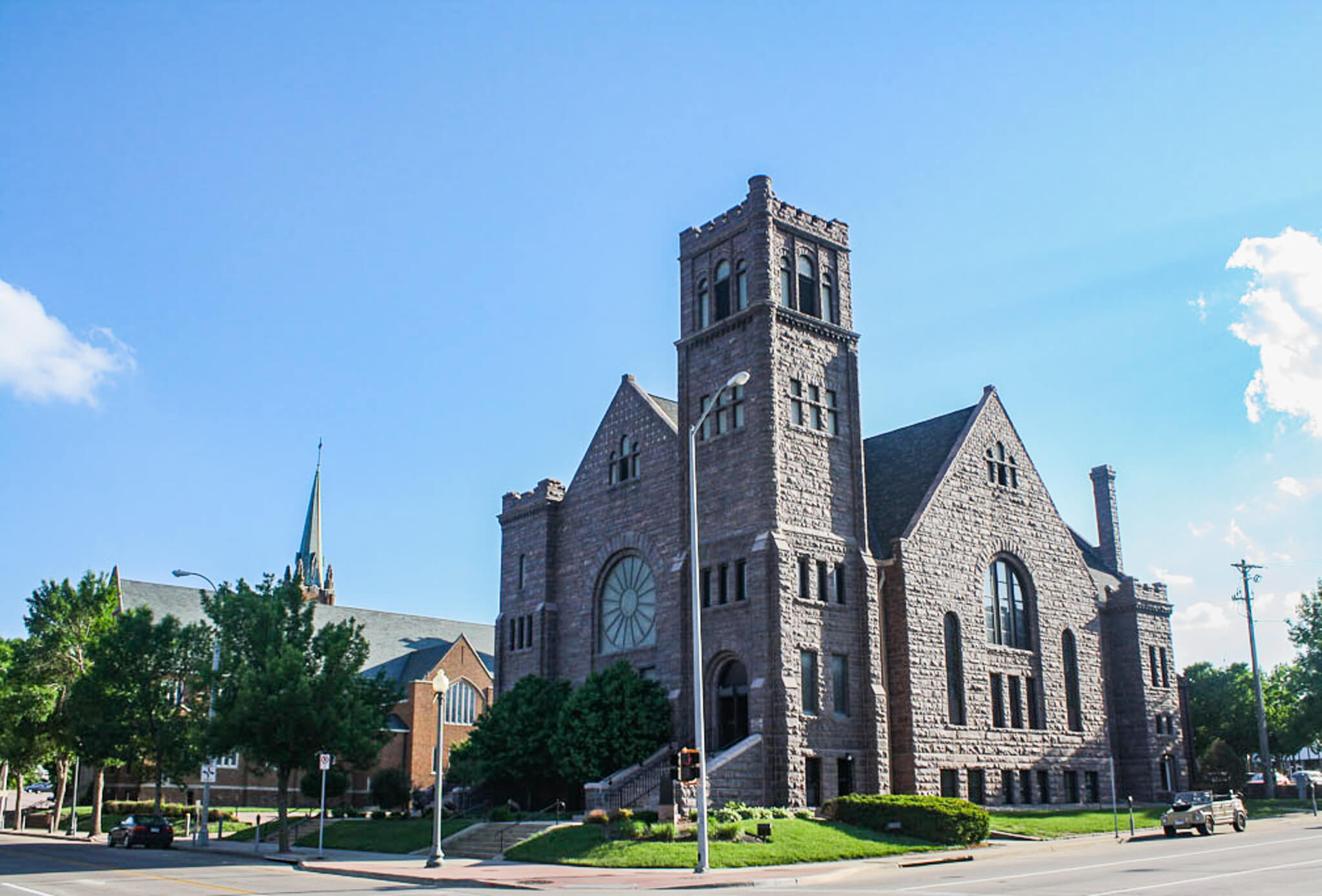 Chartered in 1856, Sioux Falls didn’t take very long to swell into the largest city in South Dakota. With a population growth over 10% every decade since 1910, the city started erecting fantastic buildings almost from its earliest days. Many of them, from municipal masterpieces to residential gems, still survive as some of the city’s defining structures. Read about the top five buildings in Sioux Falls, South Dakota >
Share my story:

Big Treasures in a Tiny Capital
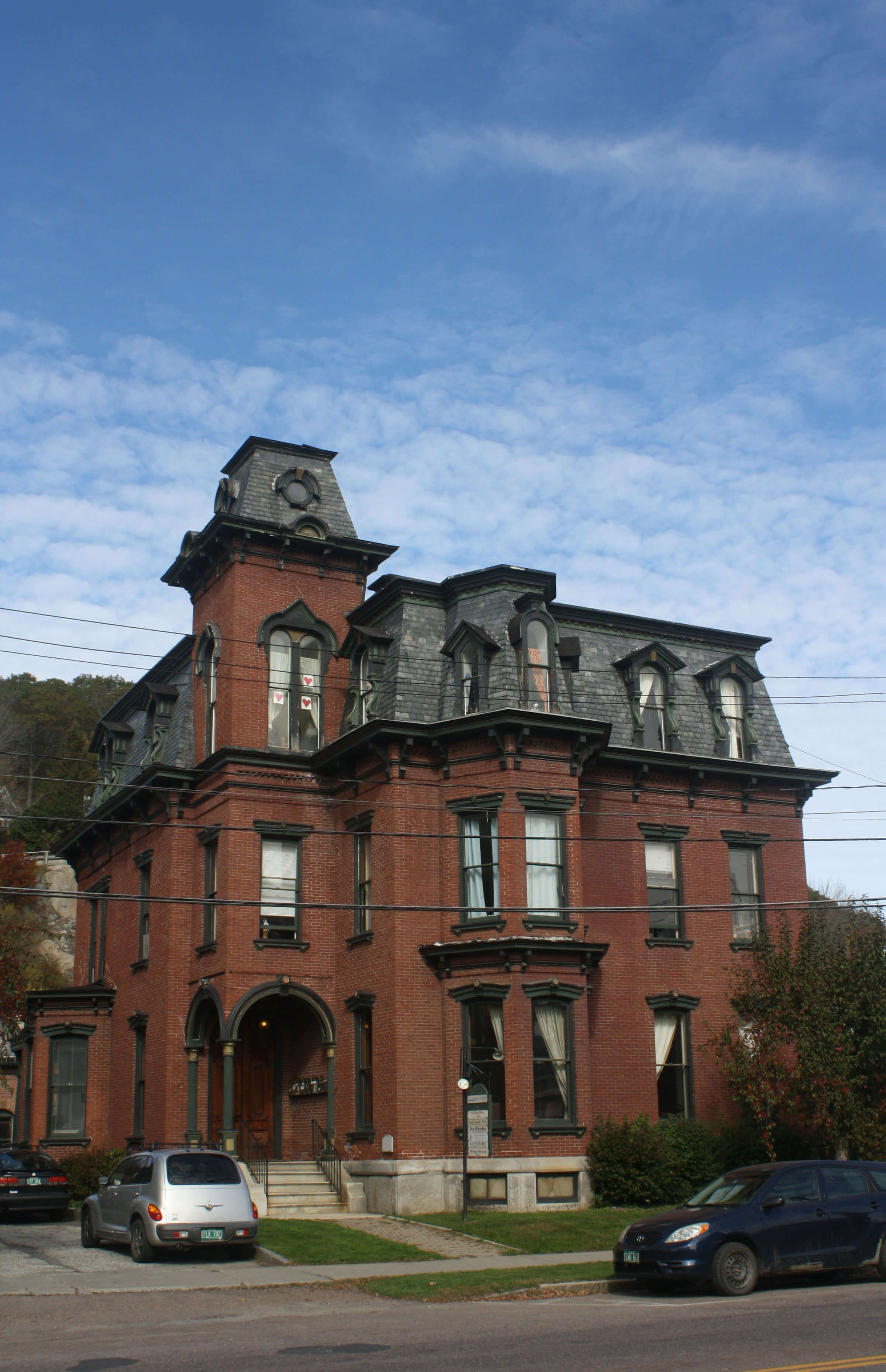 The compact downtown area of Montpelier, Vermont, tucks a lot into it: farm-to-table dining establishments, independently owned shops, history, natural beauty, cultural attractions. Strolling among them is delightful, especially if you appreciate architecture. The city has a surprising number of noteworthy buildings, belying its diminutive size. Read about the top five buildings in Montpelier, Vermont >

 Stephen Travels