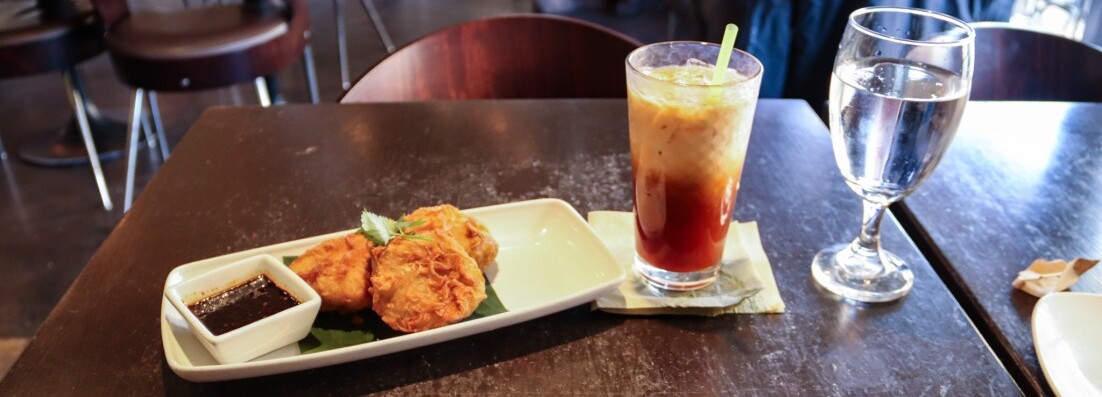
 One of the largest squares in Portugal, Praça do Comércio in Lisbon seems to unconsciously draw people to its 329,000 square feet of space. Perhaps it’s for the cool breezes coming off the adjacent Tagus River, or for the shaded arcades of the yellow government buildings, or for one of the world’s most beautiful arches. Certainly, it’s partially for the restaurants with abundant outdoor seating framing three side of the plaza. One of them, Troppo Squisito, gives you an Italian option when you’re looking to break out from the Portuguese specialties you’ve been enjoying for a week. Read about it >
Tag Archives: Europe

The Visual Delights of Malta’s Churches
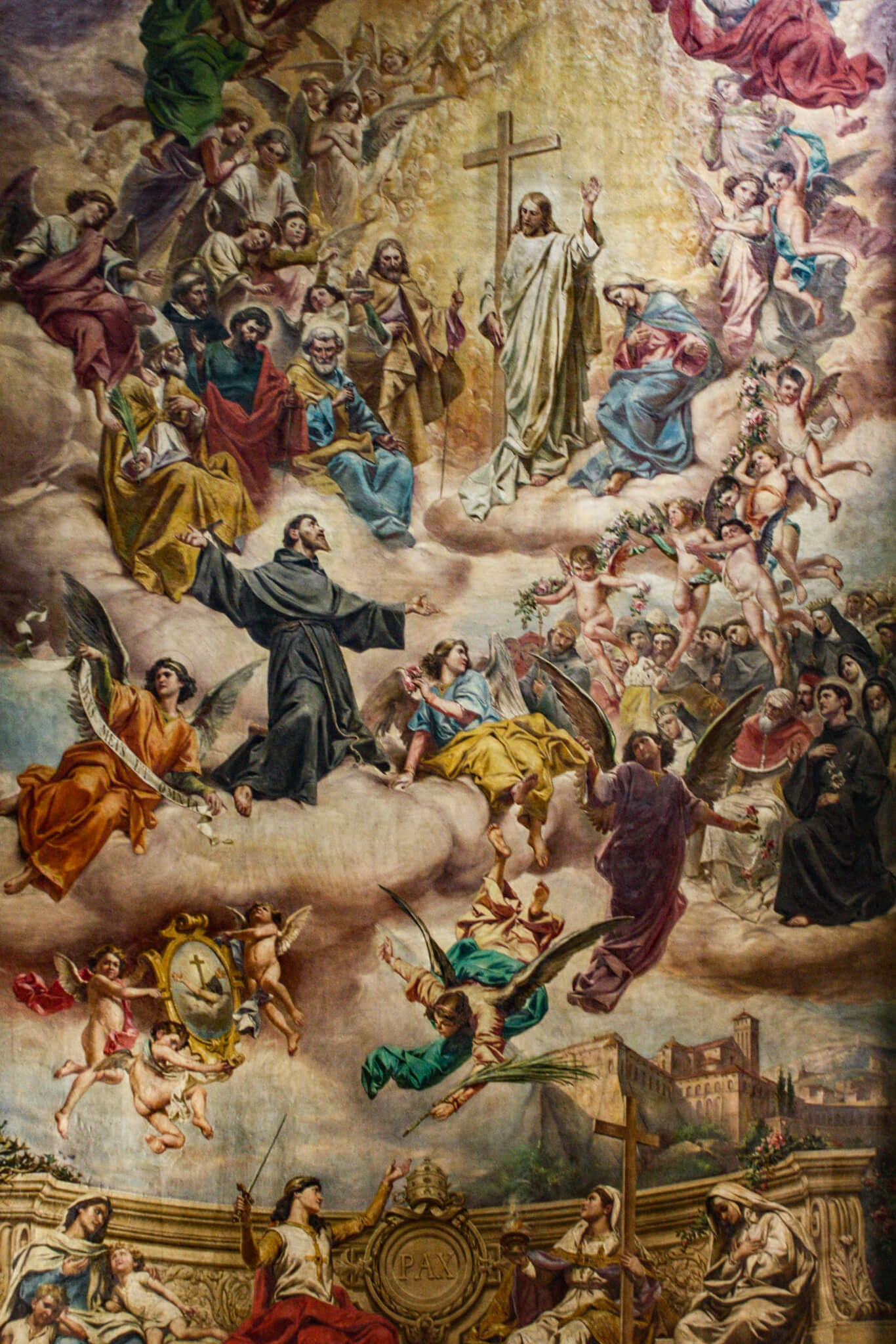 Estimates of Malta’s Catholic population range from 80% to 98%. Even at that lower figure, this is a country with a lot of Catholics. And it has spectacular churches to support their practice. No matter what city I went to, there was always a gorgeous church, or many of them, depending on the size of the city. Valletta, the capital, alone has 28 churches, in a city that you can easily walk from end to end in under an hour. But even smaller cities seem to have more than enough to tend to the religious needs of a total national population of just over half a million. Read about the top five churches in Malta >
Share my story:

Dublin’s Buildings of Distinction
 I began my three-week trip to Ireland, naturally enough, in Dublin, before renting a car and heading out to see the rest of the Emerald Isle. Here in the Irish capital, I caught an Oscar Wilde play, indulged in pints of Guinness, touched a real skeleton for luck, and came across three of the country’s best churches, one of the world’s best baptismal fonts, and one of the world’s most atmospheric restaurants. All of the latter were housed in some of the city’s finest structures that go back centuries and centuries and are just as beautiful today as they were then. Read about the top five buildings in Dublin >
Share my story:

Classic Portuguese Culinary Creations at Sebastião
 Nobody was sitting at the tables at Sebastião yet. Good sign or bad? Granted, it was early for dinner in Lisbon, about 6:30, but I had built up an appetite from scrambling around the hilltop São Jorge Castle a couple of miles away, hiking up and down uneven stone staircases for sweeping views of the Portuguese capital and the Tagus River. The menu was appealing, so I decided to test the waters. The result: A risk well worth it. Read about it >
Share my story:

Dinner With a South American Connection in Porto, Portugal
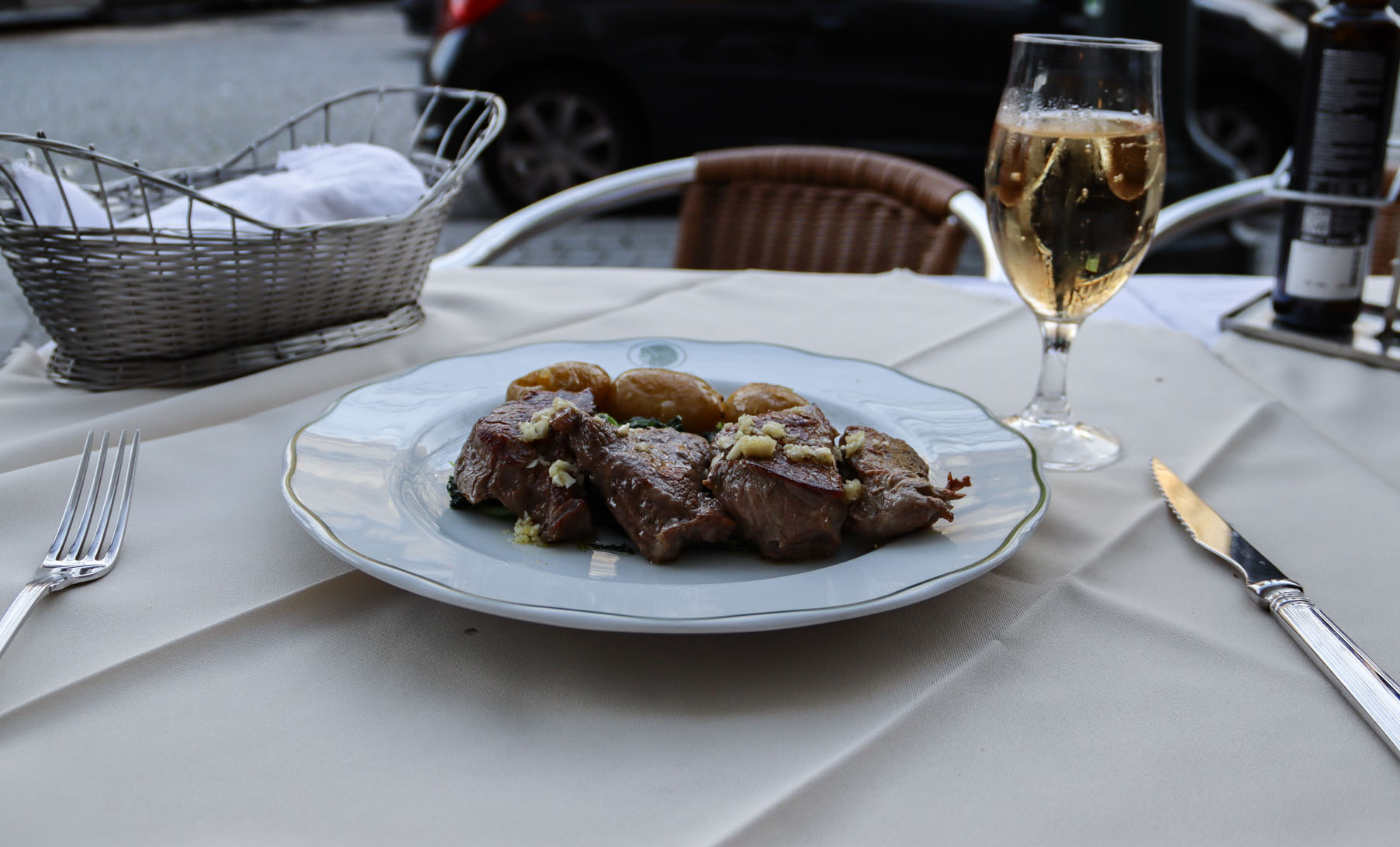 Freedom Square in the heart of Porto, Portugal, is bustling all day. At night, some of the city’s grandest buildings take on new life when illuminated in flattering white lights. One of them, Hotel Aliados, houses Guarany Café, a nearly century-old café and restaurant that acknowledges the South American Guarani Indians in a nod to Portugal’s colonization of Brazil that resulted in the smaller country’s coffee culture. It’s the perfect place to sit outdoors and enjoy both the view and a wonderful meal served by waiters who take their job very seriously. Read about it >
Share my story:

A Temporary Life of Luxury in Porto
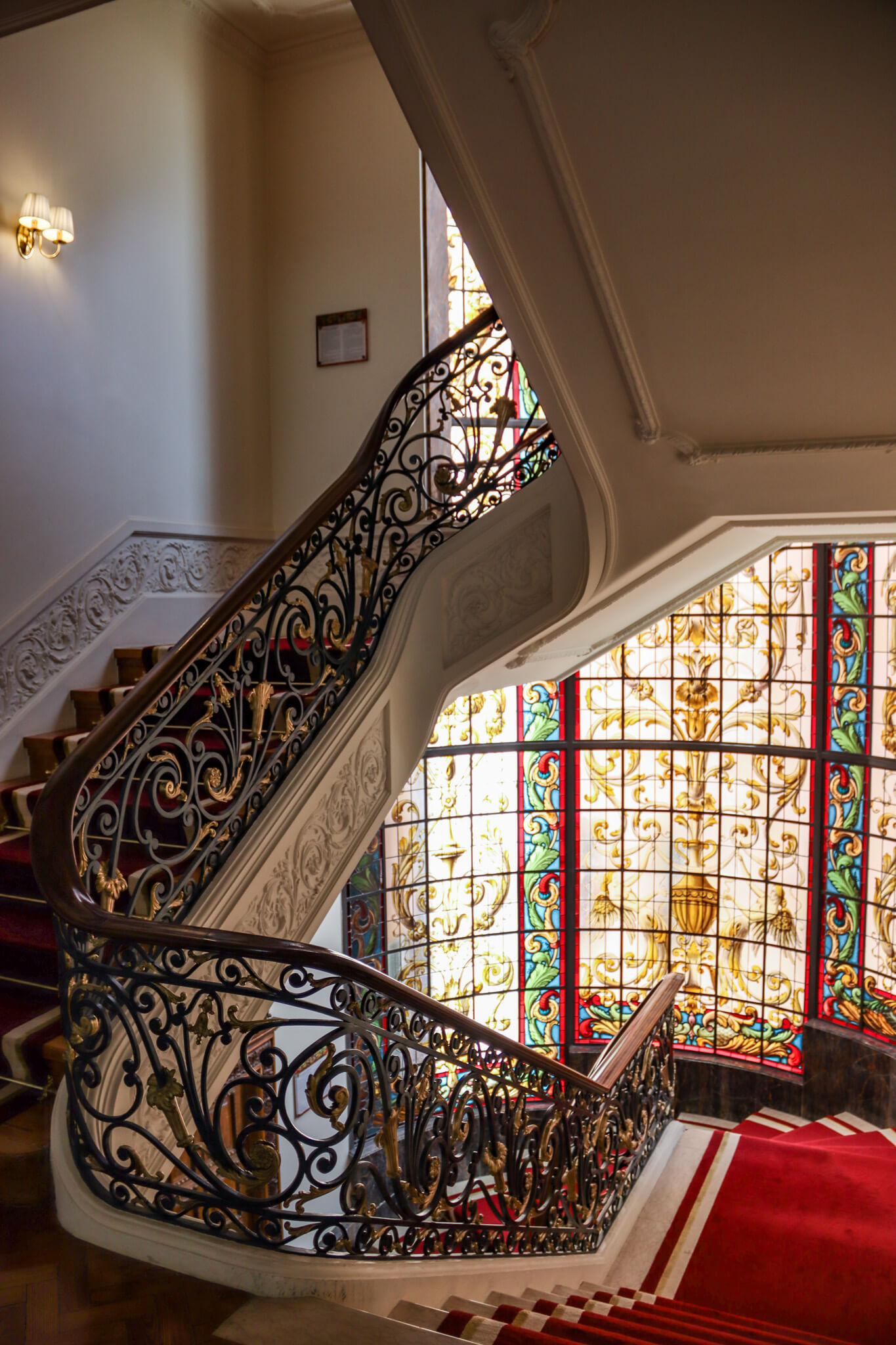 If you’re going to splurge on a place to stay in Porto, Portugal, then you’d be wise to choose Infante Sagres. For more than 70 years, this elegant fixture in the city’s accommodations has been providing five-star service to everyone from Bob Dylan to the queen of the Netherlands, and now me. Combining polished elegance, Old World attention to detail and contemporary comforts, outstanding service, and an enviable location, Infante Sagres practically guarantees you a highly memorable stay. Read about it >
Share my story:

Elevador Elevates the Dining Experience in Lisbon
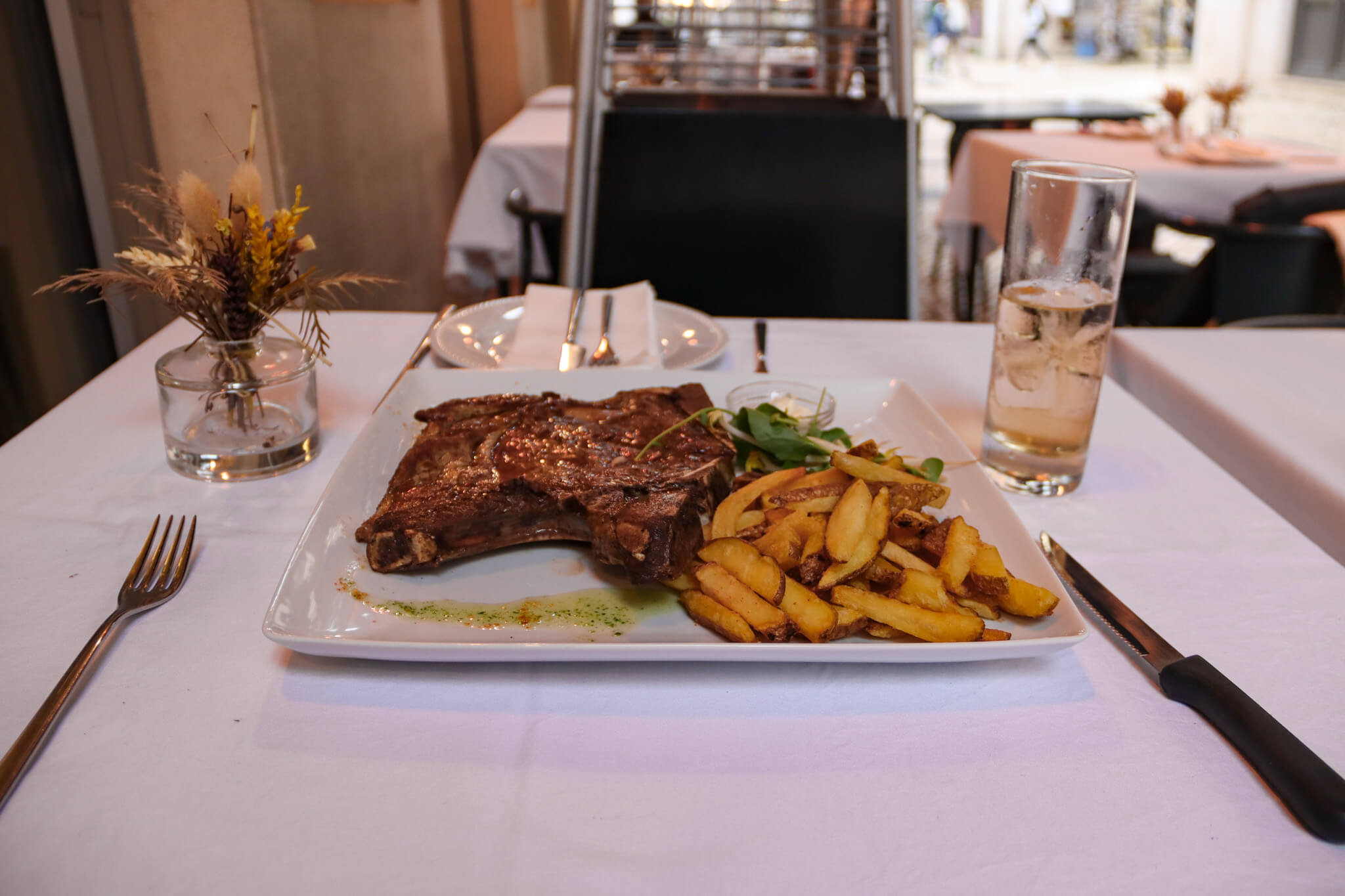 Along a black-and-white–stone pedestrian street, just a few blocks from the handy, if always crowded, Santa Justa Lift that whisks you between the upper and lower parts of Lisbon, Portugal, I found the aptly named Elevador. With live fado music in the background, the setting is perfect for a wonderful meal in Baixa, the city’s historic heart and commercial center. Read about it >
Share my story:

Warsaw Saw War—and Then Rebuilt Its Churches as if Nothing Had Happened
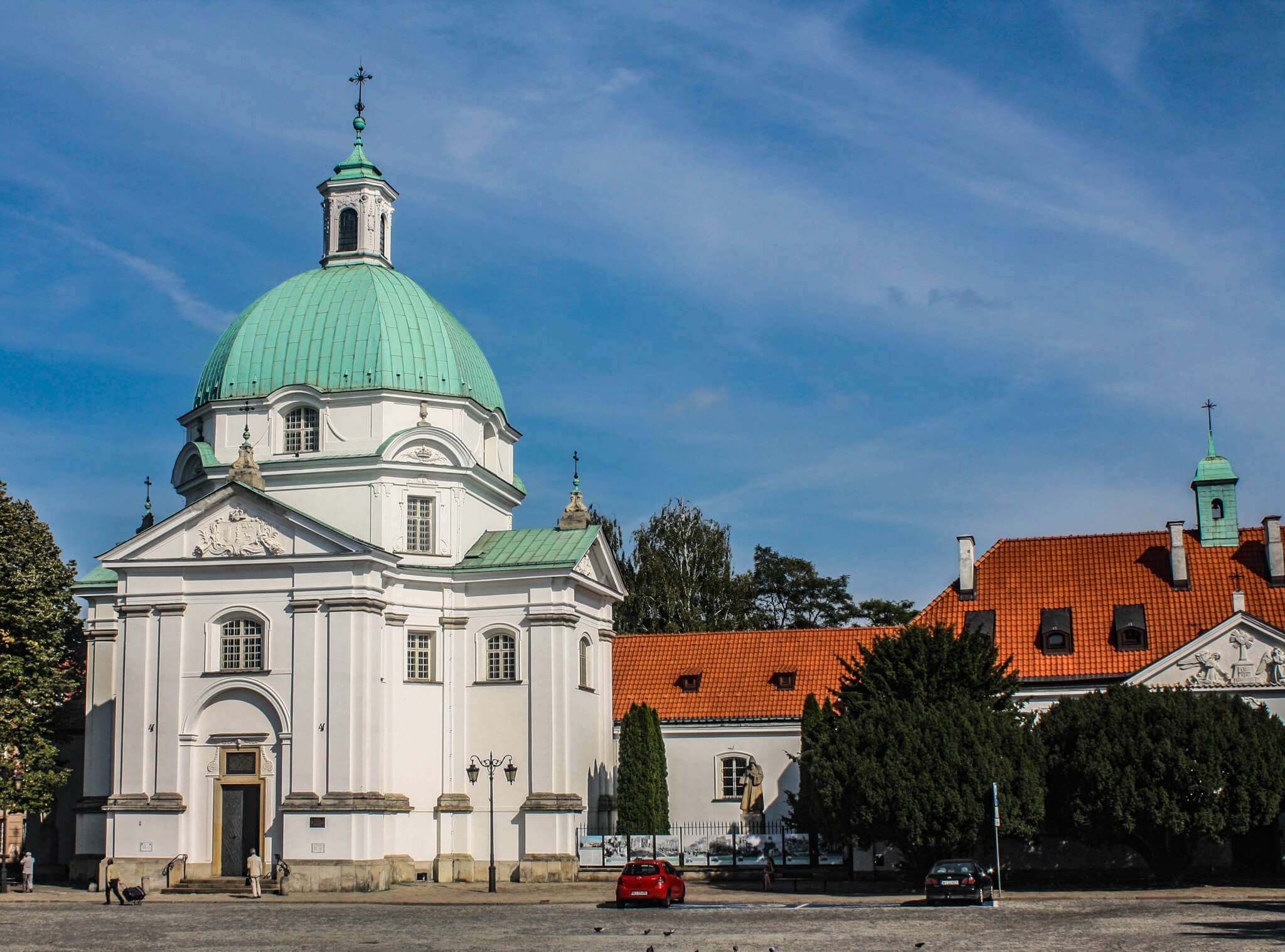 I wasn’t surprised by the number and the beauty of the churches in the overwhelmingly Catholic city of Warsaw, Poland, where three-quarters of the population of 1.8 million identify as Roman Catholic. I was surprised, however, by how many of them had been obliterated during World War II and then rebuilt. Some took on a simpler variation of the original, but many were restored to their baroque, rococo, and neoclassical glory. Read about the top five churches in Warsaw >
Share my story:

Dinner With the Sailor
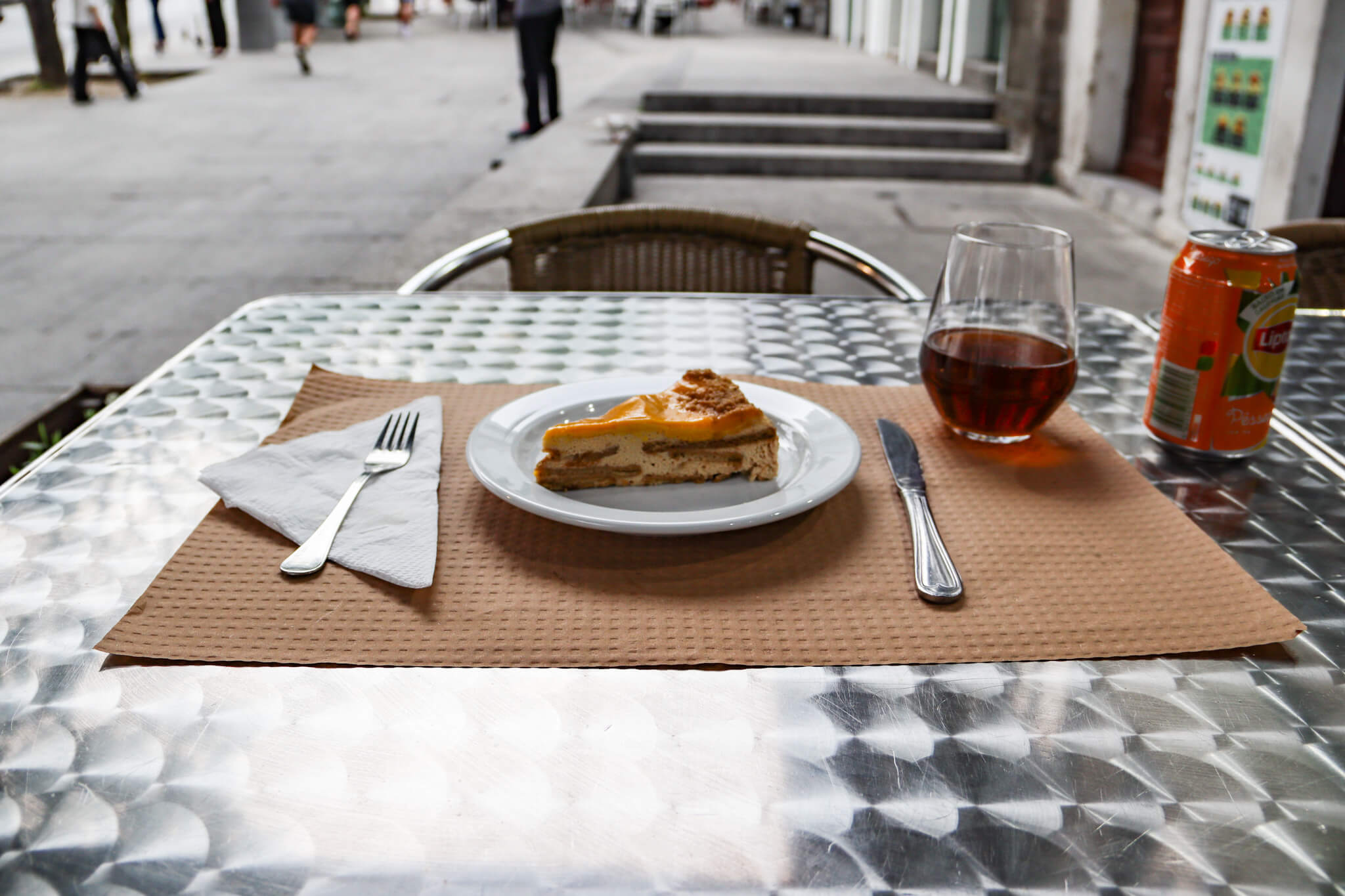 Directly across the street from my excellent hotel in Porto, Infante Sagres, a cluster of restaurants faces the odd tunnel that swallows up vehicular traffic in the middle of a square. They’re extremely popular, to the point where it was difficult to score a table. So I bumped up my dinner time earlier than the usual Portuguese tradition and took a seat at O Marinheiro, which translates as “the sailor.” Read about it >
Share my story:

Amazing Architecture Among the Alps
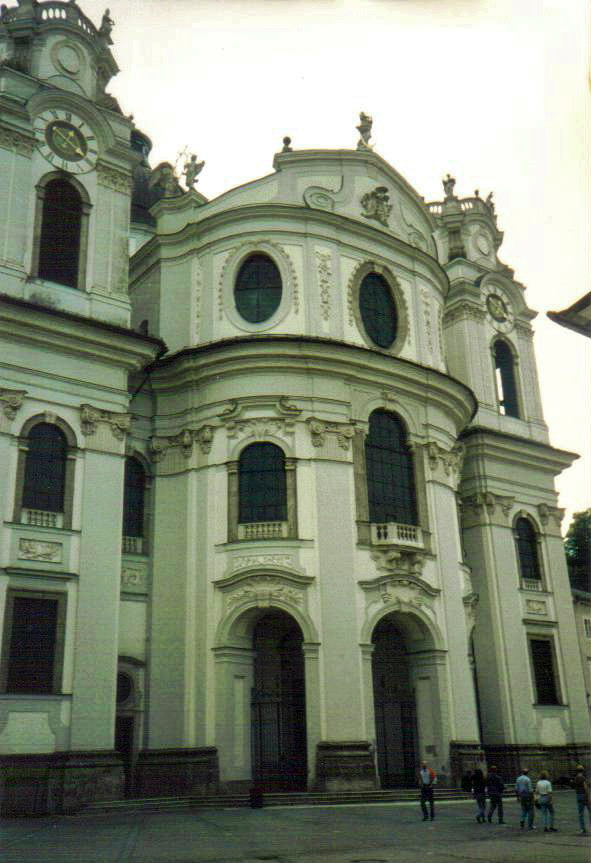 Famed for the splendor of its over-the-top baroque and rococo churches and palaces, Austria has an embarrassment of riches of these spectacular buildings, constructed over decades and decades, until the 20th century came along and architects began rejecting the high ornamentation of these styles. But I wasn’t visiting this central European country to see boring boxy buildings; I went to see gorgeous valleys and mountain ranges, tranquil lakes, and, in the cities, the grandeur of the long-lost art of beautiful, meaningful architecture. Read about the top five buildings in Austria >

 Stephen Travels