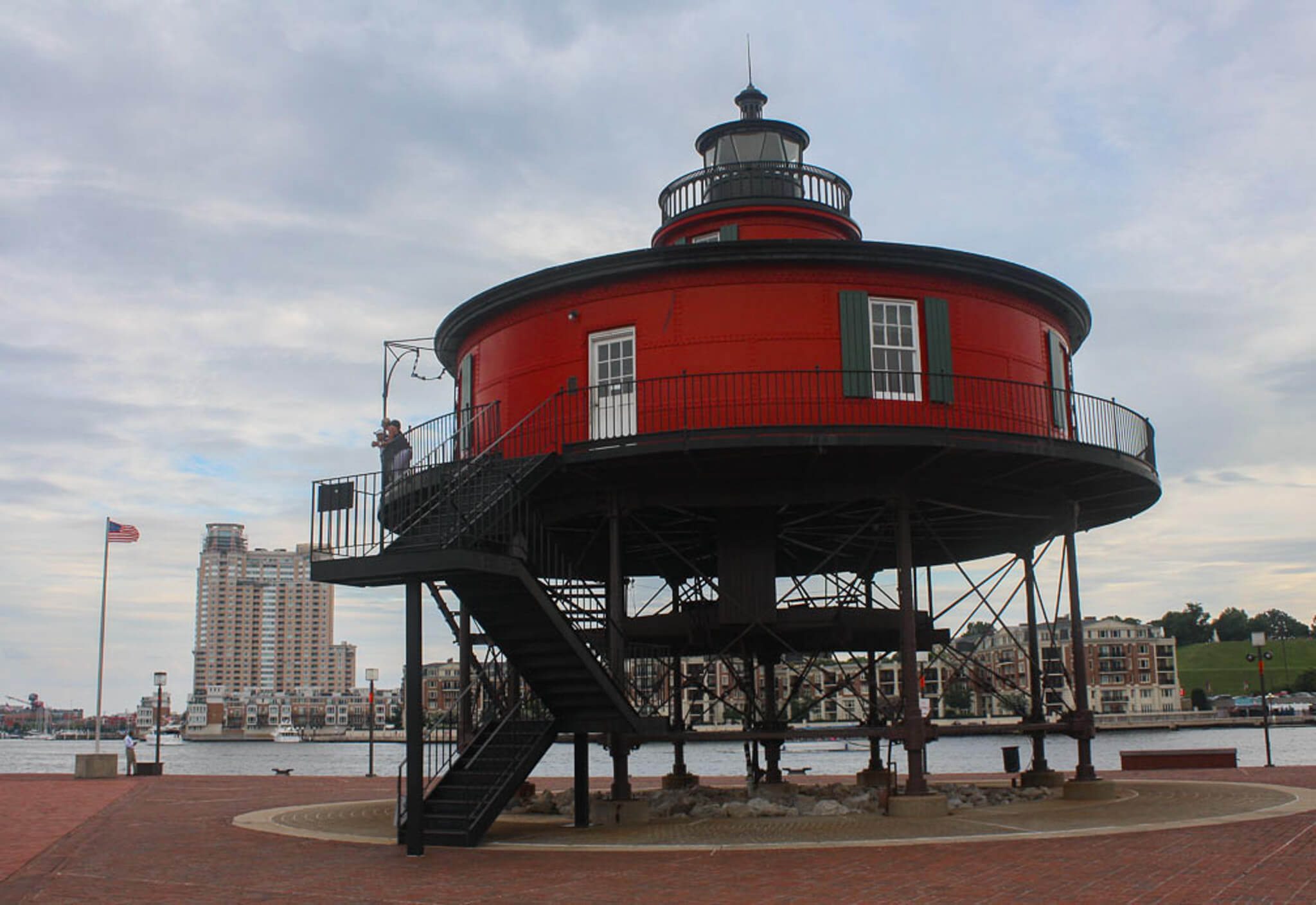
Sentinels of the sea. Lighthouses have been around for a while. A long, long time, actually. One of the Seven Wonders of the Ancient World was the Lighthouse of Alexandria in Egypt, completed around 246 BC. Since then, they’ve been protecting sailors around the world, evolving from simple fires atop a hill to sturdy structures that can withstand the fiercest weather and are equipped with powerful modern technology. Critically important, and fun to visit, lighthouses have long fascinated me with their relevance, their loneliness, and their unique beauty. Read about the top five lighthouses >
Category Archives: History
The Blood of Christ—in Belgium
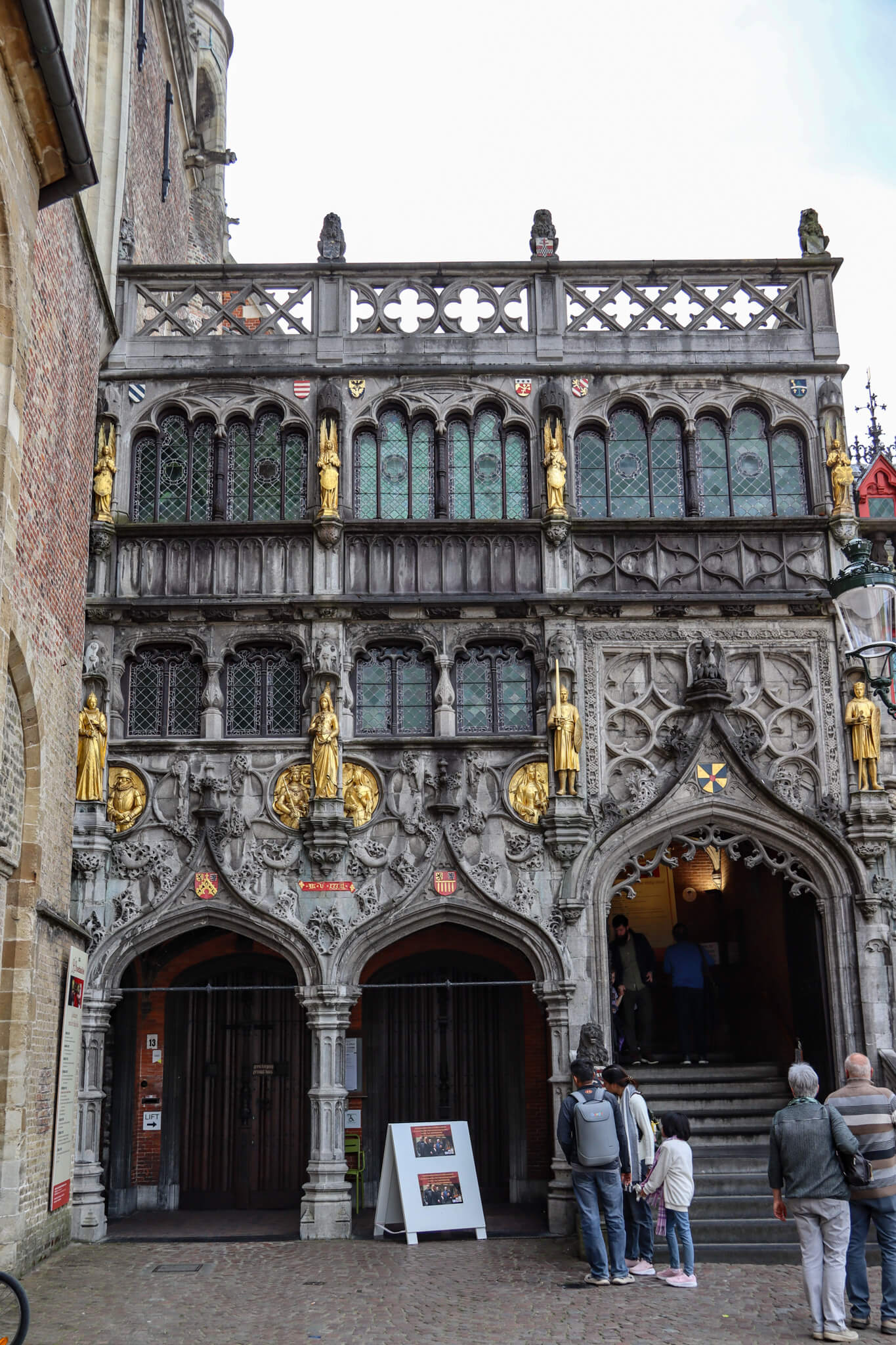
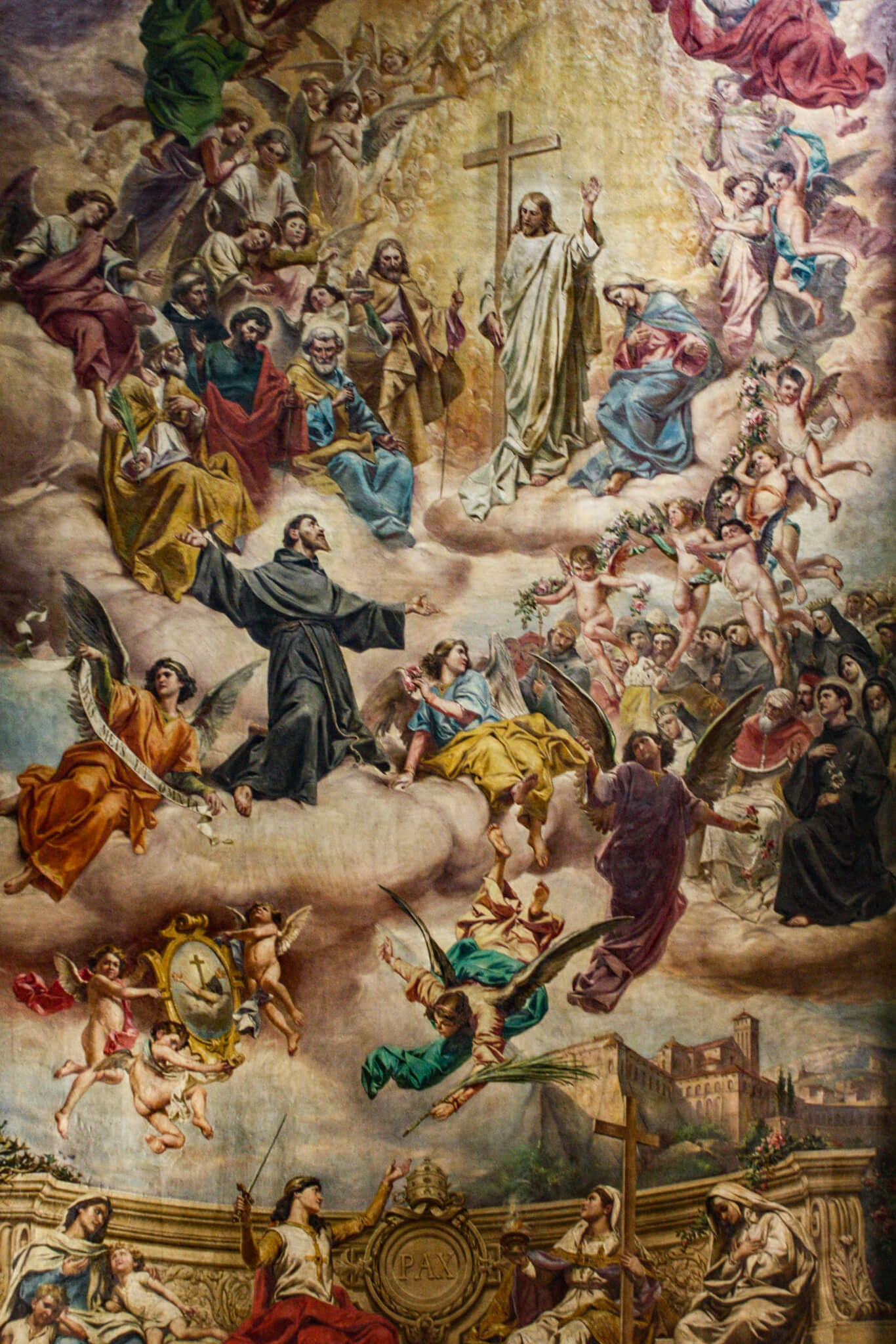
For Christians around the world, certain places simply hold more significance than others: Rome, Jerusalem, Vatican City, Fatima. To that list, another should be added. Bruges, Belgium, may not automatically register as a destination of importance or as a pilgrimage site, but if the story is true, it should be. The Basilica of the Holy Blood in the heart of Bruges, impressive in its own right, also contains a vial with drops of Jesus’ blood. Naturally, I had to see it. Read about it >
Richmond’s Religious Riches
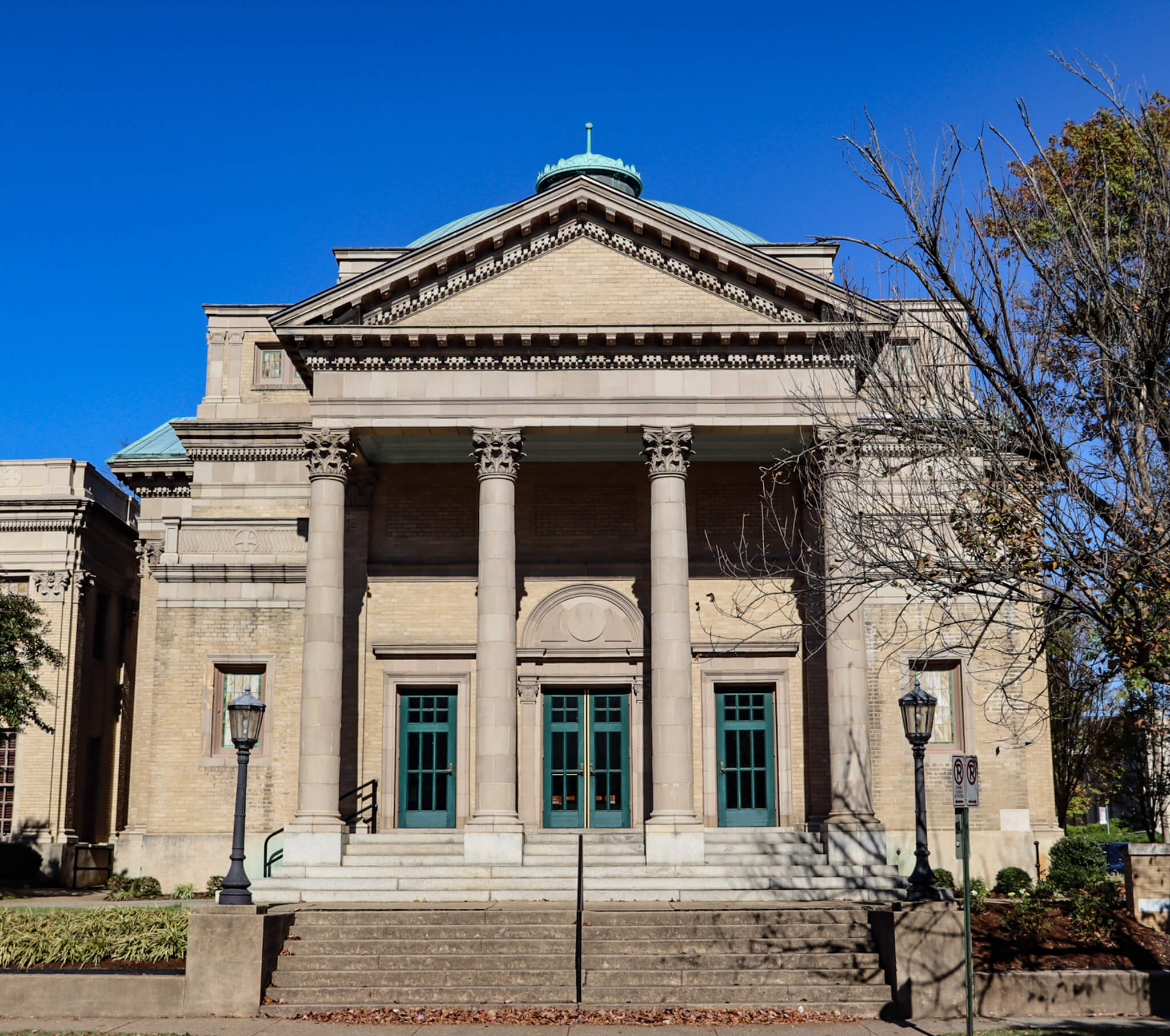
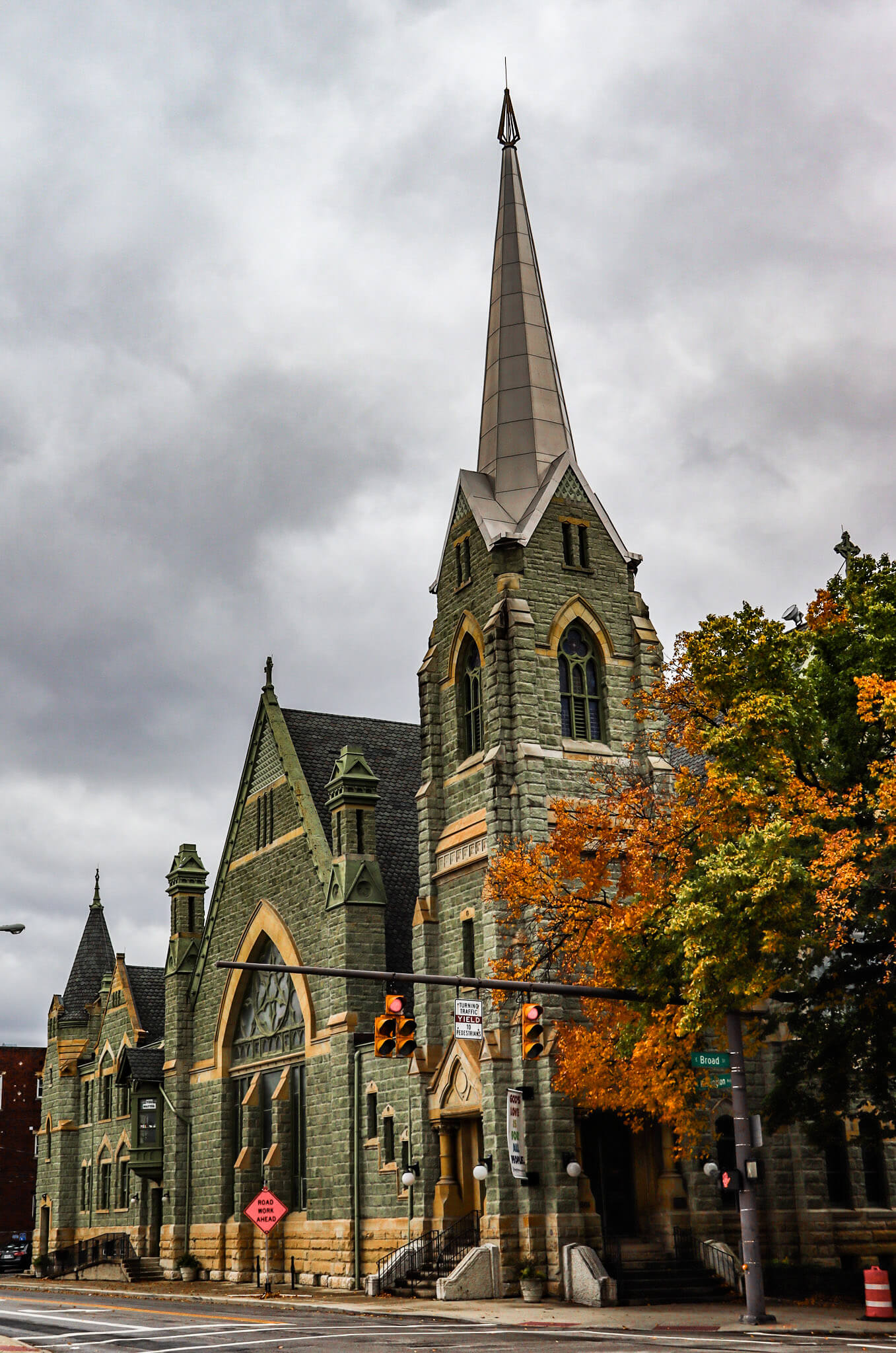
Richmond, Virginia, is one of the most historic cities in the United States I’ve ever visited. The past is ever-present, no matter where I looked. A large part of that is the city’s religious institutions. With 1,414 religious organizations and churches in the greater Richmond metropolitan area, there’s one group for every 163 persons in the city. And that means there’s tremendous diversity when you’re visiting and want to see a great range. Read about the top five churches in Richmond >
A Fantastical Palace for a Portuguese Artist-King
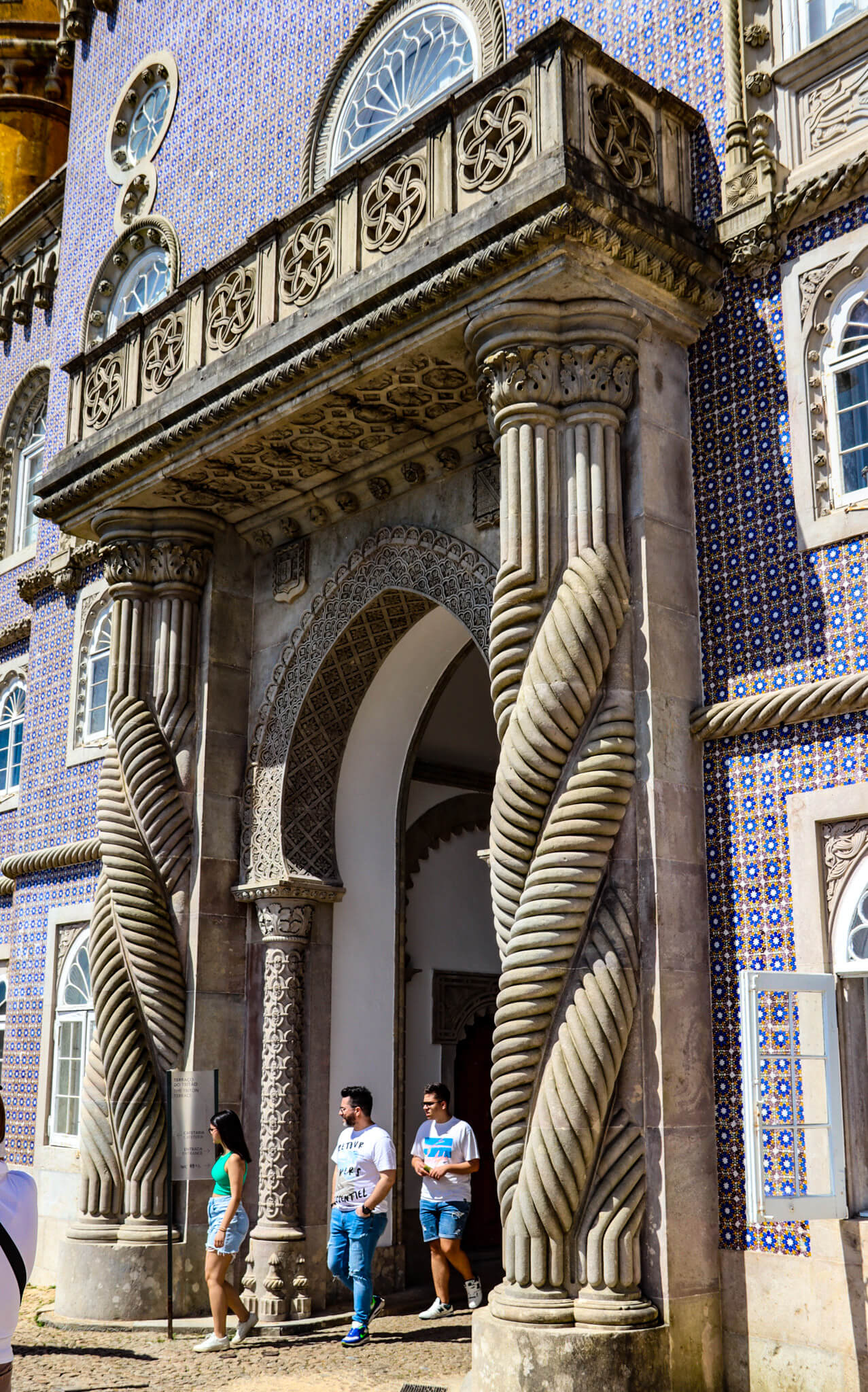
Due to massive crowds, said every source I checked, avoid the city of Sintra, Portugal, on the weekends. Avoid the city on Mondays, they advised, when, again, it’s swamped with tourists, now because the museums in nearby Lisbon are closed. So, I went on a Thursday. Result? It didn’t matter. The National Palace of Pena—former summer home of Portuguese royalty, starting with King Ferdinand II—was jam-packed with people. But who can blame them? It’s the number-one tourist sight in Portugal, and deservedly so. Read about it >
Legendary Legends
What better way to spend a frigid winter day than curled up by a fire listening to a great legend? Granted, it was not a winter day when I learned about these terrific stories, nor was I seated next to a fireplace. Nevertheless, these are tales that have stuck with me for decades, tales that breathed even more life into some of the most memorable places I’ve been. Read about the world’s top five legends >
Making the Rounds of Savannah’s Squares
The first planned city in what would become the United States was Savannah, Georgia, founded in 1733. It’s seductive, genteel, refined, beautiful, historical, sultry, mysterious—and imminently walkable. As I roamed the gorgeous streets of the city’s main historic district, in between all the buildings (every one of which has a fascinating history) and the palm, magnolia, sycamore, and live oak trees with their feathery Spanish moss, I was never very far from one of the district’s 22 squares, inviting green and shady spaces where you can relax and absorb the aura of America’s most atmospheric city. Read about them >
The Visual Delights of Malta’s Churches
Estimates of Malta’s Catholic population range from 80% to 98%. Even at that lower figure, this is a country with a lot of Catholics. And it has spectacular churches to support their practice. No matter what city I went to, there was always a gorgeous church, or many of them, depending on the size of the city. Valletta, the capital, alone has 28 churches, in a city that you can easily walk from end to end in under an hour. But even smaller cities seem to have more than enough to tend to the religious needs of a total national population of just over half a million. Read about the top five churches in Malta >
California Is Golden for Many Reasons
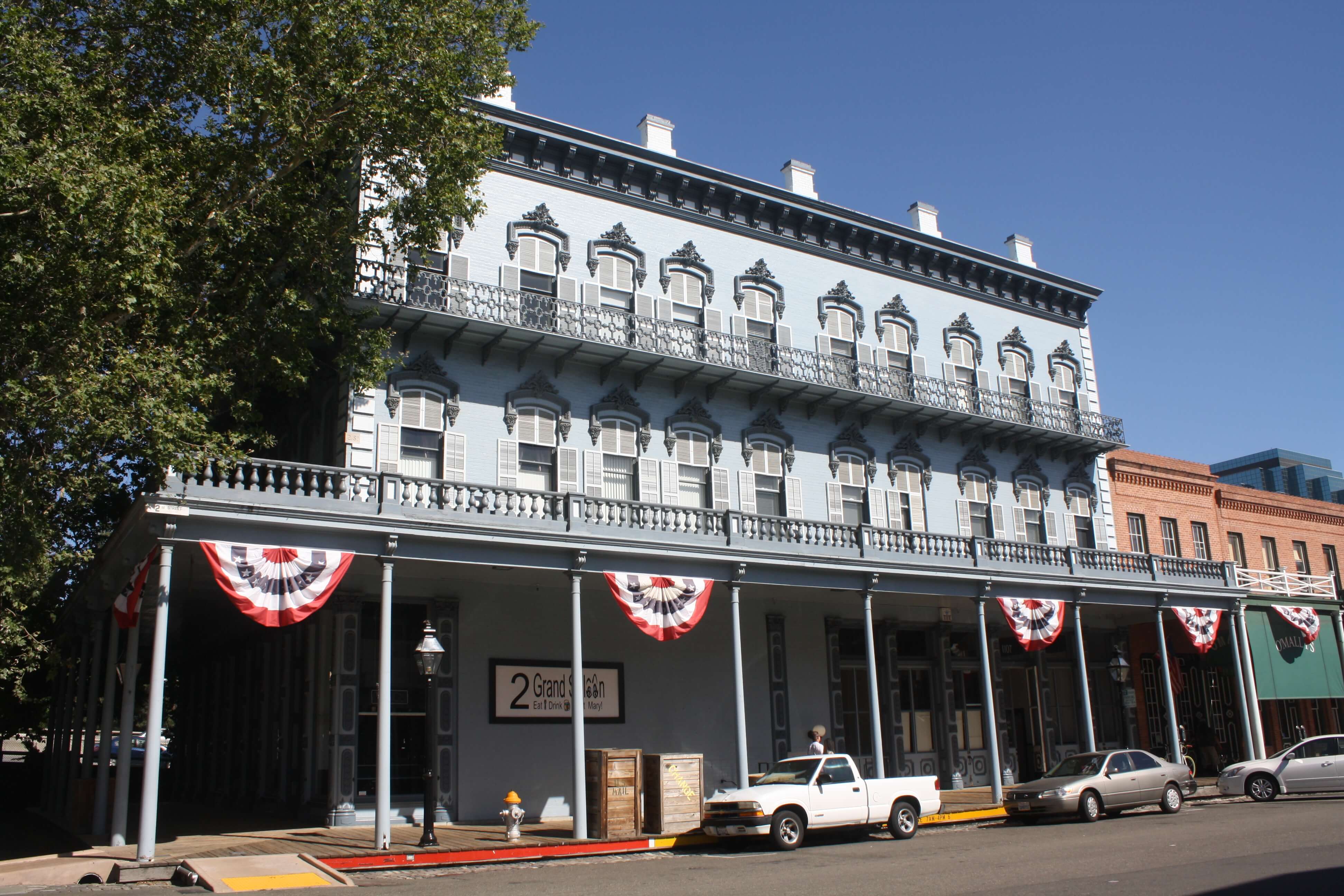
The third-largest state in the United States—and arguably the most famed, iconic, referenced, idealized, and vilified—California has always been many things to many people, from the 300,000 indigenous people who lived here before the Europeans showed up, to miners with gold fever who flocked here in the mid-1800s, to drought-weary Okies looking for salvation during the Dust Bowl era of the 1930s. Now, even if you’re not an aspiring actress lured by the glitz of Hollywood, or a granola or surfer dude looking to live off the grid, the Golden State and its vast array of attractions will lure you here and inevitably make an indelible impression upon you. Read about the top five things to see and do in California >
Warsaw Saw War—and Then Rebuilt Its Churches as if Nothing Had Happened
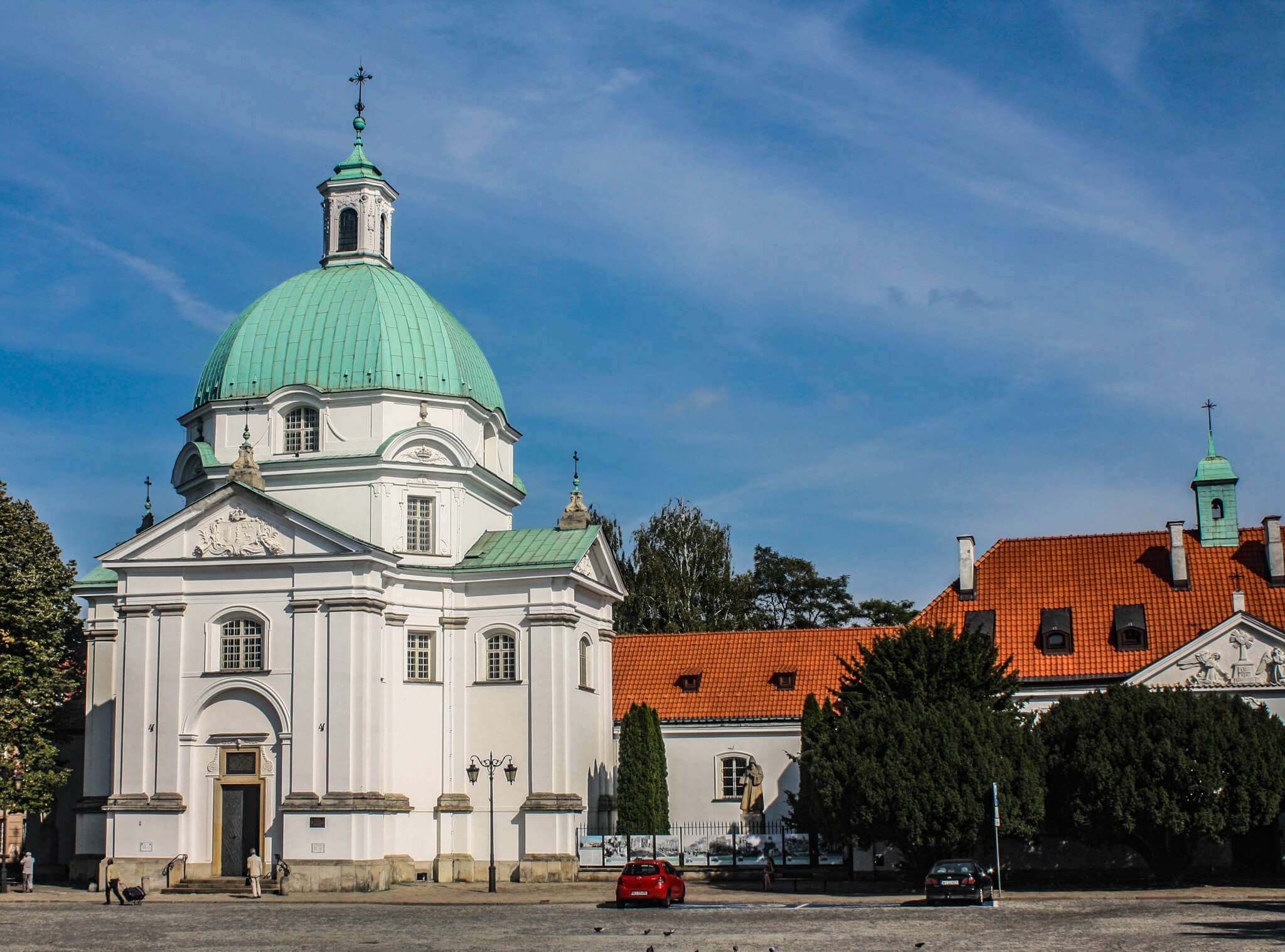
I wasn’t surprised by the number and the beauty of the churches in the overwhelmingly Catholic city of Warsaw, Poland, where three-quarters of the population of 1.8 million identify as Roman Catholic. I was surprised, however, by how many of them had been obliterated during World War II and then rebuilt. Some took on a simpler variation of the original, but many were restored to their baroque, rococo, and neoclassical glory. Read about the top five churches in Warsaw >
One Columbus Day
Columbus’ earliest structures are the burial mounds of the indigenous peoples. Things have certainly changed since they occupied this area smack in the middle of Ohio from 1000 B.C. to 1700. Since 1812, the population of the state capital has grown every decade, unlike other large Ohio cities like Akron, Cincinnati, Cleveland, and Toledo. With a population of over 900,000, it’s the largest city in Ohio. That means it needs a lot of buildings to conduct its business and house its citizens, and I had the opportunity to check out many of them during my one day here. Read about the top five buildings in Columbus, Ohio >