I’ve been from the wilds of Northern California at the Oregon border to its southern extent on my way into Tijuana, Mexico, and lots of places in between. It’s hard to find a state that teems with so much diversity, not only in its people but also in its landscapes, cultural institutions, and outdoor pursuits. Although I have visited California half a dozen times, I’ve barely scratched the surface of everything this state has to offer. These are my favorites.
#1 Experience the Wild West at Bodie State Historic Park
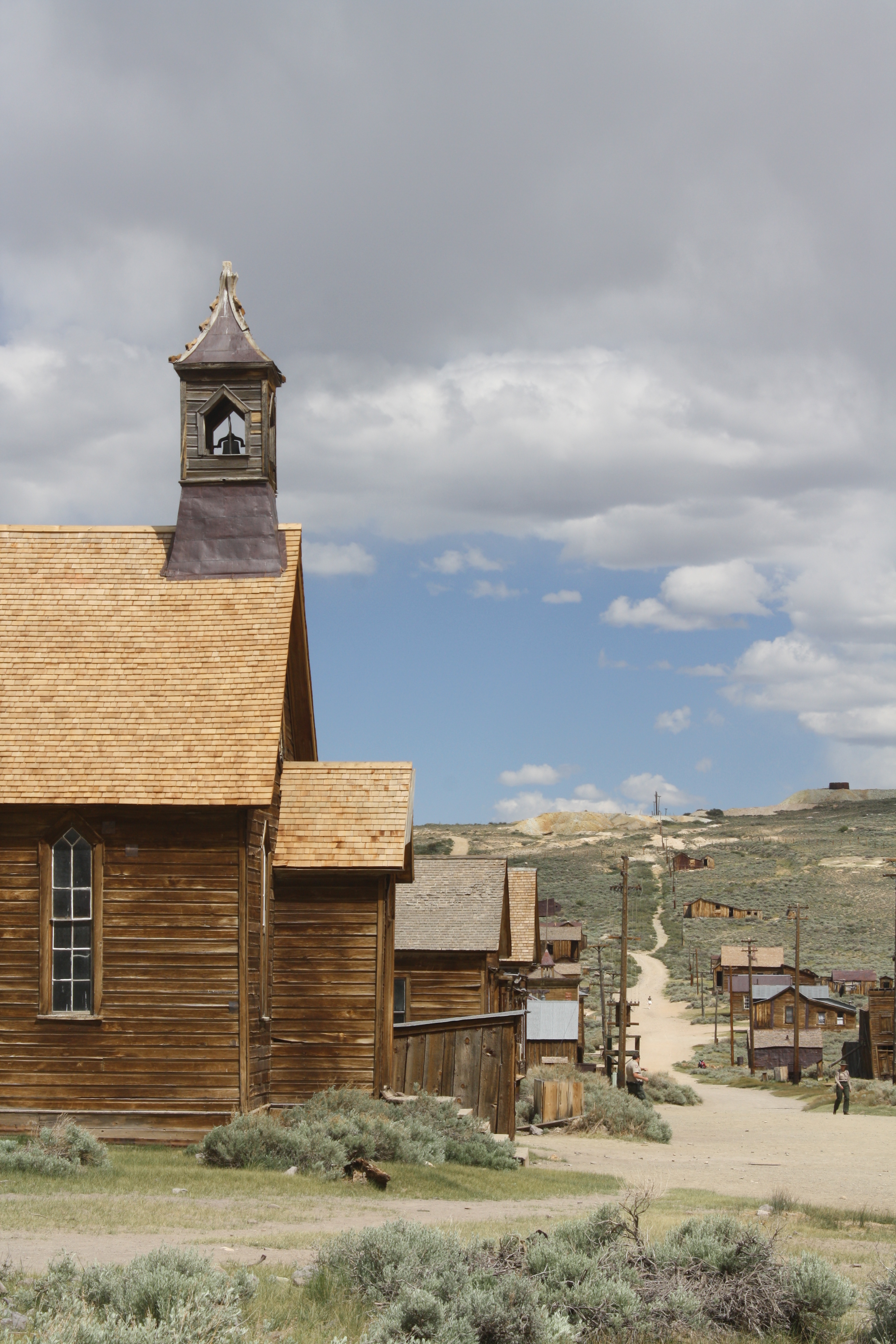 One of my favorite U.S. cities is located smack in the middle of nowhere near the California-Nevada border. It’s not on a main—or even a secondary—road, and its permanent population is zero. You can’t get there by plane or train or bus. You won’t be able to refill your tank because there are no gas stations. You can’t book a room for the night, and forget about grabbing something to eat—restaurants don’t exist. It’s Bodie—the largest, best preserved, and most fascinating ghost town in the United States. Once one of California’s largest cities, boasting a population that topped 10,000 in 1880, Bodie today is home to no one. At the end of a bumpy 13-mile road, the vast remains of Bodie appear, strewn across a barren, unforgiving, treeless landscape. One of the world’s best ghost towns evokes countless images of America’s Wild West. As I roamed around the dusty streets of this former gold-mining town, exploring its 100 collapsing buildings, rusting equipment and automobiles, and teetering utility poles that still stand in a “state of arrested decay,” I tried to imagine life in this harsh environment and its inherent asperities. Bodie’s wicked reputation as “a sea of sin” stemmed from its inventory of nearly 70 saloons, a red-light district of bagnios with eager prostitutes, opium dens, and gambling halls, and its history of stagecoach holdups, robberies, and killings. But there was a more sedate, workaday side to this town, too, a typical Western boom town of its time, with a general store, firehouse, churches, bank, hotel, jail, barber shop, school house, post office, Odd Fellows Lodge, Masonic and Miners’ Union halls, stables, morgue, bowling alley, horse racetrack, and county courthouse—many of which are still standing, lopsided and deteriorating. Dwindling gold reserves obnubilated the city’s boom days. When this precious metal ran out, the residents fled, leaving behind a treasure trove of personal items in their homes and businesses that you can still observe through spotty windows—coffee presses, unopened boxes of Ghirardelli chocolates, sofas, roulette tables, cast-iron stoves, primers, baby carriages, and maps of the United States before there were 50. Completely abandoned by the 1950s, Bodie was established as a California State Historic Park in 1962 and attracts about 200,000 visitors annually. Wrap up your time here by wandering around the hilltop cemetery and the graves of Bodie’s former residents, including the city’s founder, European and Chinese immigrants, and children who never made it to their first birthday, all buried in a desolate place that you will never forget. After three visits here, I can’t wait for a fourth.
#2 Become a Nature Lover at Yosemite National Park
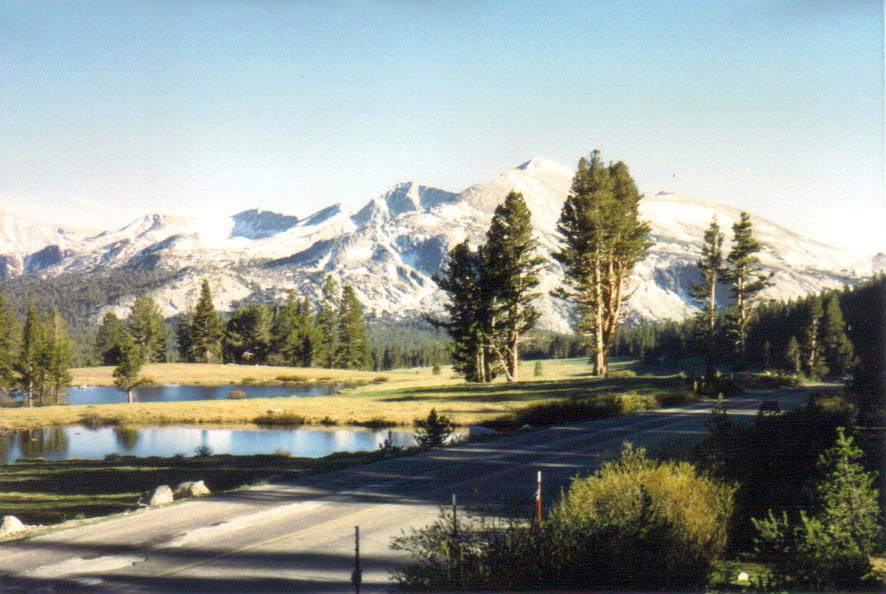 One of my favorite U.S. national parks, Yosemite is the third-oldest national park in the United States, established in 1890, just a week after Sequoia National Park (see below). Covering 1,200 square miles and more than 761,000 acres, the country’s 16th-largest national park is a nature lover’s dream, not to mention a photographer’s wonderland, as Ansel Adams discovered when he received his first camera during his initial visit here when he was 12 years old. A UNESCO World Heritage Site since 1984, Yosemite National Park astounded me on a regular basis, day after day. First, there’s the water, like Tenaya Lake, named after a Native American chief, surrounded by rugged mountains, and irresistibly beautiful in any season; and Bridalveil Fall, one of the park’s countless waterfalls, this one falling 620’. Then there’s Tuolumne Meadows, a large, open meadow where you’ll often see mule deer drinking from and crossing through the Tuolumne River. And then, of course, there’s the iconic rock formations. The monolith El Capitan rises 3,000’ above the floor of the Yosemite Valley and attracts courageous mountain climbers, whom you can see as tiny specks dangling on the sheer granite face. Half Dome surpasses El Capitan by an addition 2,000’. Composed of quartz monzonite, this rock formation’s profile—sheer face on one side, with the other sides round and smooth, giving it the appearance of a dome split in half—developed as a result of a magma chamber that cooled and crystallized beneath the Earth’s surface and was then exposed and cut in half by erosion. Its distinctive shape will make you fall in love with it immediately and, as the park’s most recognizable symbol, it will cement its place in your memory.
#3 Immerse Yourself in Culture and Beauty in San Diego’s Balboa Park
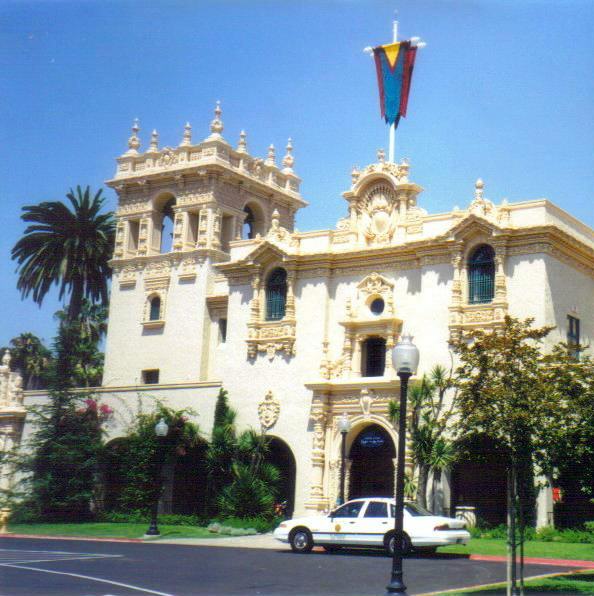 One of the best urban parks in the world, Balboa Park racks up an impressive 17 museums, nine performing arts venues, 19 gardens, 13 recreational opportunities, a dozen restaurants, 65 miles of trails, three dog parks, and nine random attractions. The most popular is the San Diego Zoo, one of the first zoos in the world to pioneer the revolutionary idea of releasing animals from their cages into re-created natural habitats, one of just four zoos in the United States taking care of giant pandas, and home to some very adorable giraffes. One of my favorite things to do in the park was to stroll down El Prado, a pedestrian walkway flanked by buildings that were constructed in the flamboyant Spanish Colonial Revival style. Erected for the Panama-California Exposition of 1915–16, these buildings provide plenty of architectural eye candy: the Casa del Prado Theater, with an entrance framed by elaborate Churrigueresque ornamentation; the Casa de Balboa, with its confectionery top and graceful columned arcade; and the California Building, with its blue and gold dome (encircled with the Latin for “A land of wheat, and barley, and vines, and fig-trees, and pomegranates; a land of olive oil, and honey.”) and soaring bell tower, which plays the Westminster Chimes every 15 minutes. You can spend plenty of time indoors in the Museum of Photographic Arts, the San Diego Natural History Museum, the Timken Museum of Art, the Model Railroad Museum, and the Museum of Us. But San Diego’s perfect weather also keeps you outside, enjoying the park’s water features, such as the Bea Evenson Fountain, which mists the air around you, and the long Lily Pond, leading up to the Botanical Building, one of the largest lath structures in the world. Flowers and diverse plants burst into colorful life in different gardens devoted to particular plants or environments: roses, cacti, palms, Australia, and California among them. I wrapped up my visit to Balboa Park in the serenity of the 12-acre Japanese Friendship Garden, complete with a koi pond, plots of azaleas and camellias, and a little workshop that provides free leaflets on how to create origami. While folding crisp paper into a duck and a hat, I was treated to a musical bravura, provided by the talented hands and feet of someone next door playing the Spreckels Organ, the Western Hemisphere’s largest outdoor organ that has been entertaining audiences since New Year’s Eve 1914.
#4 Be Dwarfed by Giants in Sequoia and Kings Canyon National Parks
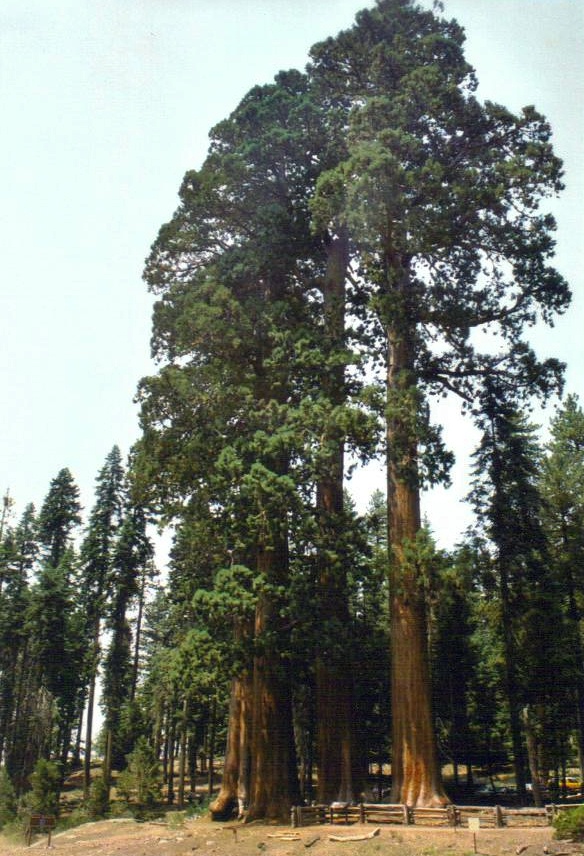 Want to feel young again? Head to Sequoia and Kings Canyon national parks. You’ll feel like a baby—the sequoia trees here have been around for a couple of millennia. You’ll also never feel so short as when you stand beside a 270’-tall tree. And in these adjacent parks, you’ll have plenty of opportunities to feel tiny. Established in 1890, Sequoia National Park encompasses more than 404,000 acres; Kings Canyon National Park, established in the same year under a different name, is even larger, coming in at almost 462,000 acres. Plenty of hiking and walking trails get you up close to these remarkable trees, where you can throw your head back, and look up, up, up, until you spot even the first branch. In Sequoia’s Giant Forest, you’ll find General Sherman—at 275’ tall and 36’ in diameter at its base, it’s the world’s largest tree by volume…and the largest living thing in the entire world. By most estimates, it’s also an unimaginable 2,600 years old. Over in Kings Canyon, Sherman’s main rival and younger relative, General Grant, soars up more than 267’ and is celebrating its approximate 1,650th birthday. If your first destination in the parks (and it should be) is the informative Giant Forest Museum in Sequoia, you’ll get your initial experience with these giants when you meet Sentinel—although it’s 257’ tall, this giant sequoia is only the 42nd-largest tree in the world. And it’s not only the trees that skew your notion of height: Sequoia also contains Mt. Whitney, the highest point in the contiguous United States, soaring up to 14,505’ above sea level.
#5 Loop Around Lake Tahoe at a Very Leisurely Pace
 I drove completely around Lake Tahoe—a 72-mile loop that, as I soon discovered, required much more time to devote to it than that fairly short distance would suggest. Unevenly split between California and Nevada (with the former getting the lion’s share), this gorgeous freshwater lake is the largest alpine lake in North America, reaches a depth of 1,645’ (making it the second-deepest lake in the United States), and, excepting each of the Great Lakes, is the largest by volume in the country. Rimmed by forests, beaches, snow-capped mountains, and small communities, Lake Tahoe, thanks to a lack of algae, sports brilliantly clear blue and teal colors that will completely beguile you. You can bike and hike around its clear waters, get into the water itself with some swimming or kayaking, or cast a line and see if you can catch one of its trout species calling it home. Visit the historic estates like the Baldwin Estate, Pope House, and Valhalla Estate, all at the Tallac Historic Site, and look for the ruins of Tallac Casino, where, beginning in 1902, illegal gambling carried on and whenever word of a sheriff’s imminent arrival came, gaming wheels, cards, and chips were carefully hidden, leaving behind nothing but oh-so-innocent spaces like a ballroom and sun room. You’ll find Fannette Island, the lake’s only island, just off the shore from Vikingsholm, a spectacular Scandinavian-inspired mansion built in 1929, and the Rubicon Point Light, a wooden lighthouse with the second-highest elevation in the United States that’s no larger than an outhouse. Collect sticky pine cones at Ed Z’berg Sugar Pine Point State Park. Then make sure to hang around for brilliant sunsets that set the sky on fire with shocking oranges, reds, and yellows. With a wide variety of accommodations, from cabins to cottages to chalets, Lake Tahoe invites you to stay and linger at one of the most beautiful bodies of water in the United States.
Five Runners-Up
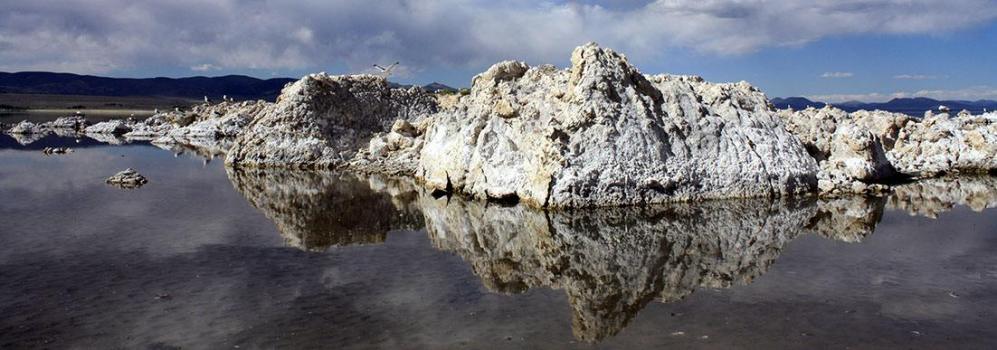
- Check out the bizarre tufa formations at Mono Lake.
- Go for a hike in Lassen Volcanic National Park.
- Discover the natural and the manmade delights of San Francisco.
- Take a step back in time with a stroll around Old Sacramento.
- Swim in and drive around June Lake.
Leave a Comment
Have you been here? Have I inspired you to go? Let me know!


 Stephen Travels