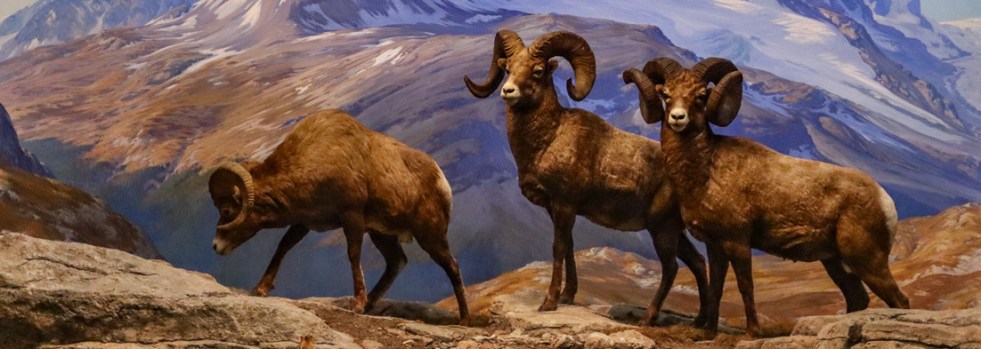
Earth is amazing. Ever really look at a plant? Or watch an animal in the wild for an extended period of time? Or experience nature’s beauty or ever-increasing ferocity first-hand? Natural history museums all around the world capture our planet’s past and present, taking us to places we’ll probably never go and to times long gone by, and educate us on our home’s flora, fauna, and geological tumult in creative and engaging ways. These are my favorites.
#1 Natural History Museum (London, England)
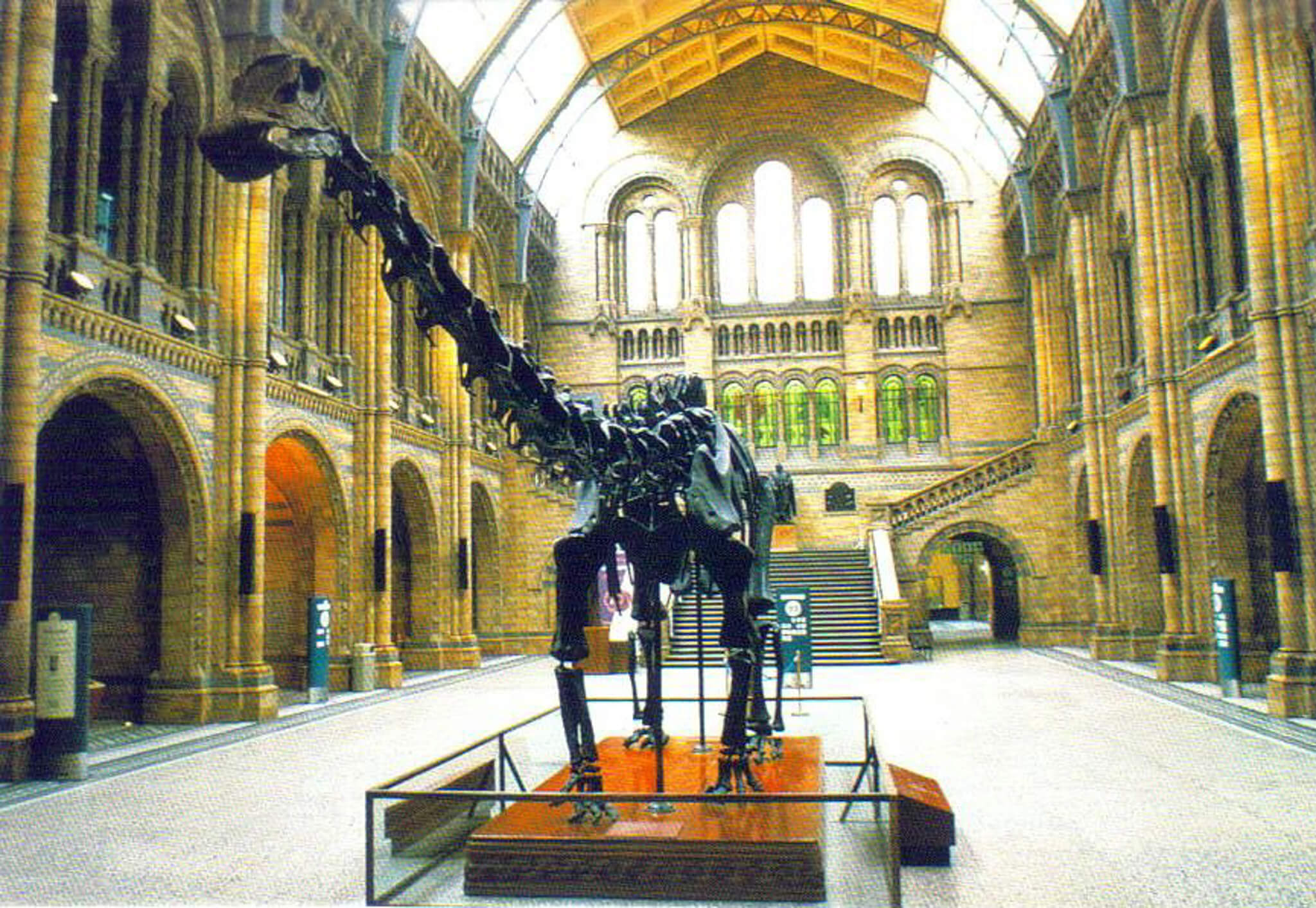 The Natural History Museum in London began in 1756, when a doctor sold his collection of dried plants, and animal and human skeletons to the British government. Now, the museum is housed in a gorgeous 700’-long building clad in attractive fawn and blue-gray terra-cotta, completed in 1883, that features one of the world’s best entryways, with its parade of animal sculptures that prepares you for what lies inside. The central hall is spectacular, with its two levels of arches, magnificent ceiling, and grand staircase. Not all of the museum’s 80 million objects are on display, but there’s more than enough to captivate your attention and imagination. I first chose to explore the exhibits focusing on things that are, or were, alive. From bats and birds to pandas and platypuses to dinosaurs and wild dogs, the museum teems with fascinating creatures and stories of how they live and survive in the wild. The Creepy Crawlies gallery holds locusts, scorpions, termites, and a huge variety of other insects, centipedes, and spiders that are simultaneously revolting and fascinating. There’s also plenty of everything geologic in the Earth Gallery, which I accessed via an escalator that goes up through a giant metallic globe, past the most intact Stegosaurus fossil skeleton ever found. Here you’ll see and learn about what Earth is up to on a daily basis, from forming amazing gold nuggets and kryptonite, to volcanoes blowing their tops (and sides), to tectonic plate shifts, which you can experience for yourself when you step into the earthquake simulator that reproduces the 1995 quake in Kobe, Japan. I walked into a re-created grocery store and the ground beneath me started to shudder, lights began to flicker, and items on shelves began to vibrate, all while the sounds of the rumbling Earth and items smashing and breaking echoed around me. It’s interactive experiences like this, along with informative audio, video, and computer displays and expertly curated stationary displays that fully engage you, that makes this an extraordinary museum.
#2 American Museum of Natural History (New York, New York)
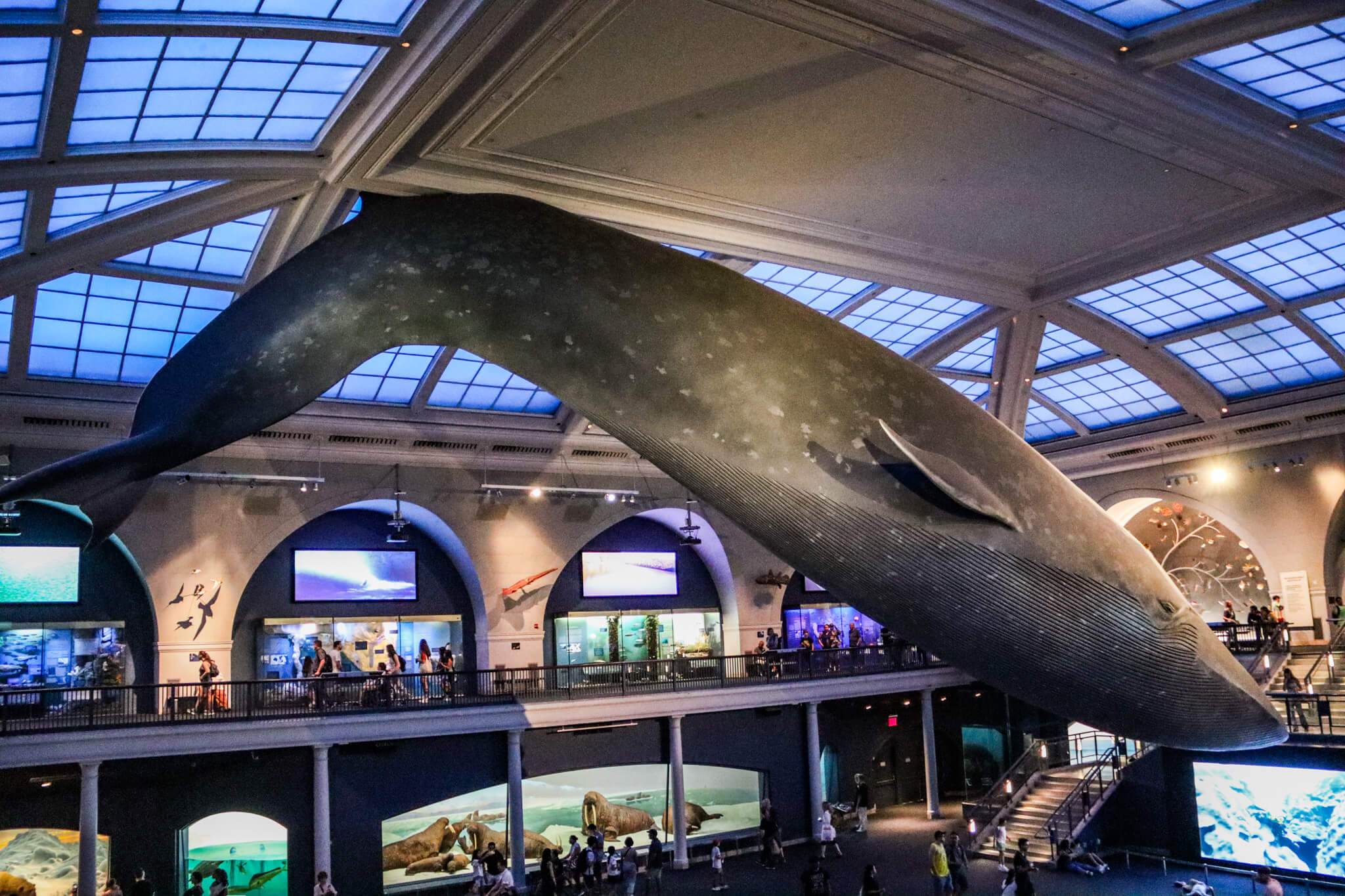 Since the idea to create the American Museum of Natural History in 1861, this museum has grown and grown. The museum opened in 1877 in a beautiful Victorian Gothic structure across the street from New York’s Central Park. It expanded with a Beaux Arts building in 1936, an earth and space center in 2000, and a center for science, education, and innovation in 2023. That’s a lot of space—more than 2.5 million square feet of it. The architecture is striking, particularly the Theodore Roosevelt Memorial Hall and Rotunda, but you’re really here to see what the museum holds. For starters, it’s a place for the birds, literally. You’ll see birds of the New York City area (and, yes, that means more than pigeons and sparrows), including hawks, ducks, and herons, as well as those in North America and from around the world. More than 130 meteorites that have assaulted the Earth are on display, as are scary dinosaurs, displays of human origins and cultures from everywhere from the Pacific Northwest to Central America to Africa, and lots of mammals from North America, Africa, and Asia. Biodiversity and environmental exhibits include North American forests; New York State’s forests, lakes, mountains, and farmland; and the 94’-long, 21,000-lb. model of a blue whale suspended from the ceiling. (Walk under it to see just how long it takes to get from mouth to tail.) The Hall of Gems and Minerals glows with the vibrantly colorful substances beneath Earth’s surface that we extract, cut, polish, and treasure. Make sure to catch a show at the Hayden Planetarium for a hyperrealistic experience that gives you views of planets, star clusters, galaxies, and nebulae. Then go up into the infinite beyond with a spacewalk along the 400’-long walkway around the universe’s objects, from subatomic particles to planets, stars, and galaxies.
#3 National Museum of Natural History (Washington, D.C.)
 The capital of the United States is chock-full of outstanding museums. One of the best is the National Museum of Natural History, housed in its current building since 1910. It’s also the most popular—in 2024, nearly four million people came here, making it the most-visited museum in the United States, and they do it for free: The museum does not charge admission. Right from the start, I could tell this would be a special place. I stepped into the huge rotunda, where Henry, an 11-ton African elephant, greeted me (and has been welcoming visitors since 1959). Columned balconies and balconets with balustrades on the floors above give the space an airy and elegant feel. There are three floors of exhibits to explore. Where to begin? If you’re an archaeologist, or if you’re just into bones and fossils, you’ll love the skeletons of, among others, a sea turtle, a flying fish, and dinosaurs. You’ll see the skeleton of a giraffe, too, and easily observe that these gentle giants have the same number of vertebrae as humans. As for humans, a 15,000-square-foot gallery is dedicated to us and our ancestors’ survival and evolution over the past six million years. Ancient Egypt gets its due with 2,000-year-old mummies and jewelry, pottery, and tools excavated from tombs. The Hall of Mammals will introduce you to animals you’ll most likely never encounter in your life, from a pink fairy armadillo to a kinkajou. The terrific Ocean Hall takes you deep into the world’s oceans to see what lives there and to learn about today’s challenges for these enormous bodies of water. There’s also a life-sized model of a North Atlantic right whale to make you feel tiny. The Hall of Geology, Gems, and Minerals displays what has been dug up from the Earth and includes some of the museum’s most valuable items, including a 168-carat emerald and diamond necklace, one of the largest rubies ever found, one of the largest sapphires in the world (at a stunning 330 carats), and, of course, the 45.52-carat Hope Diamond, extracted from a mine in India in the 17th century, which has been on permanent display here since 1958. Elsewhere, a wildlife photography exhibit and a collection of the birds of Washington, D.C., remind you of the beauty of everything that lives on Earth along with us.
#4 Carnegie Museum of Natural History (Pittsburgh, Pennsylvania)
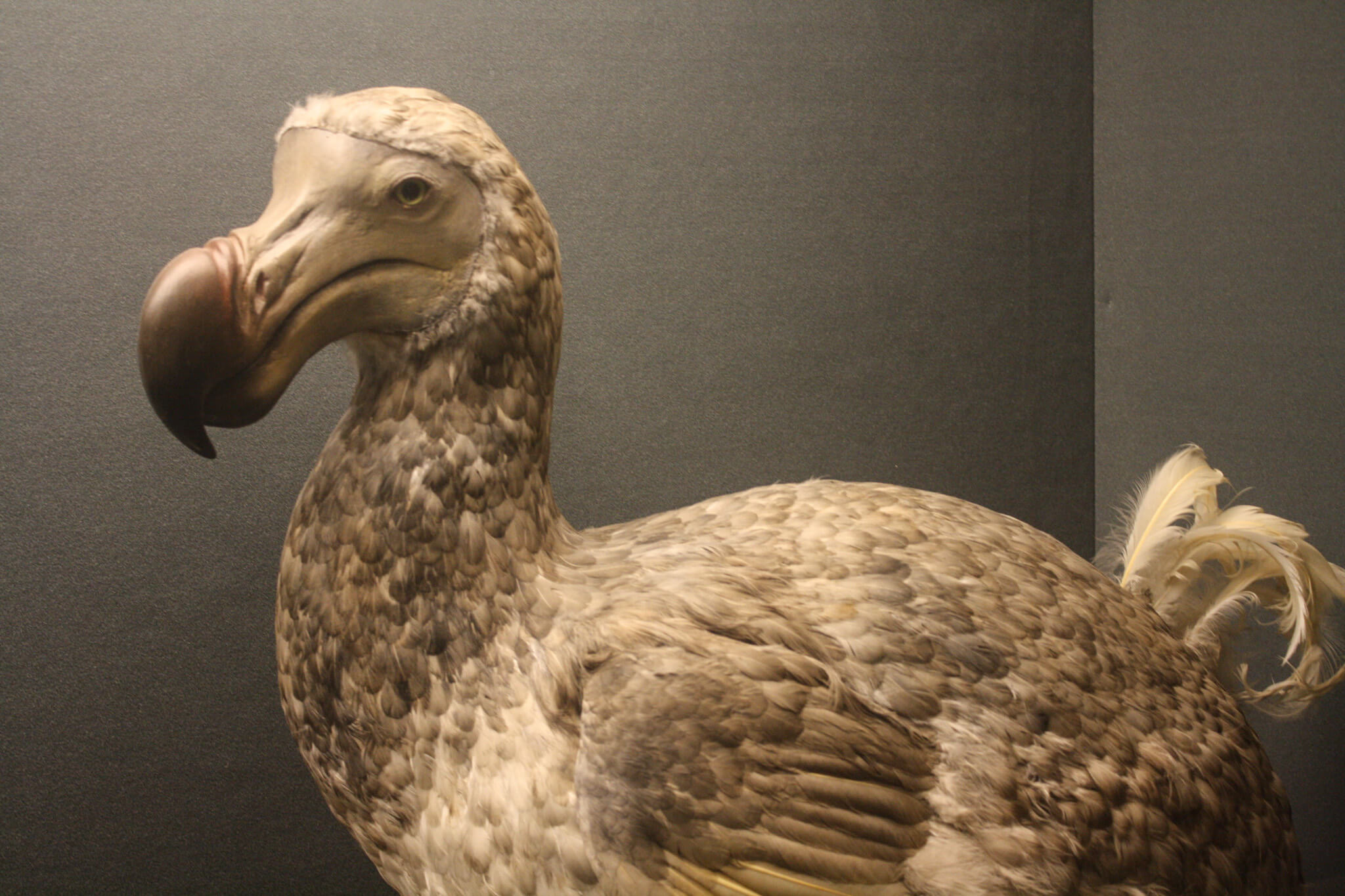 Housed in a beautiful building from 1896 that also hosts the Carnegie Museum of Art, the Carnegie Museum of Natural History arose from the vision of steel magnate and philanthropist Andrew Carnegie to create a museum in Pittsburgh that would exhibit nature’s wonders, accessible to all, from society’s elite to mill workers. Today’s museum consists of 115,000 square feet dedicated to 20 galleries that contain 10,000 of the museum’s collection of 22 million specimens, including one of the finest paleontological collections in the world. In the Dinosaurs in Their Time display, you’ll see the (thankfully) extinct dinosaurs and other Mesozoic animals in extraordinary detailed reconstructions, 75% of which are original fossils, not replicas. Greet the Apatosaurus, the Triceratops, and the Tyrannosaurus rex, and then walk away quickly from these giants, grateful that they’re gone. The same goes for the Cretaceous Seaway, which exhibits underwater beasts that would put your nightmares from Jaws to shame. You’ll also enjoy the exhibits on Arctic and African flora and fauna, expertly created dioramas with detailed taxidermy and accurate plants and animals placed in front of terrific hand-painted backgrounds. Birds and butterflies are on display, too. The Hillman Hall of Minerals and Gems presents more than 1,300 examples from around the globe in striking colors and beguiling forms and shapes, some of which take on a completely new life when you view them under ultraviolet light. And then see what humans can do with them in the Wertz Gallery, where you’ll see those minerals and gems transformed and refined into some very impressive jewelry.
#5 Canadian Museum of Nature (Ottawa, Ontario)
 The sandstone building itself is remarkable—towers, arches, stained-glass windows, and a grand central staircase. (Ignore the recent and misguided glass addition jammed on top of it that’s rather offensive.) Inside, the excellent exhibits of the Canadian Museum of Nature, one of the best museums in Canada, include the Fossil Gallery, filled with dinosaurs, one of which you pass directly under, its mouth open, sporting ferocious teeth—really rather creepy. The Earth Gallery lets you explore a limestone cave as well as marvel over nature’s eye candy—impossibly colored rocks, minerals, and gems. The Mammal Gallery focuses on Canadian mammals and birds and how they survive in the wild, while Bugs Alive will give non-entomologists the creeps with its collection of live critters like hissing cockroaches from Madagascar and rose hair tarantula. While I was there, the exhibit “Plant Life and Nature’s Pharmacy” taught me why ginger ale is good for you when you’re sick and to occasionally use sage and baking soda to brush your teeth for an extra shine. I finished up my visit with a CBC film about polar bears that roam into the town of Churchill, Manitoba, every year, and what the citizens do when they get too close—they put them in polar bear jails for a few weeks to teach them not to rely on humans’ scraps for food and then release them. Lesson learned? Yes: Few of the freed bears return the following year.
Five Runners-Up
- Royal Alberta Museum (Edmonton, Alberta)
- Finnish Museum of Natural History (Helsinki, Finland)
- Fernbank Museum of Natural History (Atlanta, Georgia)
- University of Nebraska State Museum (Lincoln, Nebraska)
- San Diego Natural History Museum (San Diego, California)
Leave a Comment
Have you been here? Have I inspired you to go? Let me know!


 Stephen Travels